Translated with AI from the Russian original.
Scientists from Perm Polytechnic University (PNIPU) have developed a program for analyzing sound insulation - a domestic alternative to foreign developments. Previously, foreign programs were required to decipher data, but licenses for them are now unavailable in Russia. Now, domestic software based on Python, running on any PC, can replace them. This program allows research to be conducted on a regular computer and solves the problem of processing data from acoustic interferometers - devices that measure how well sound waves are absorbed by different materials.
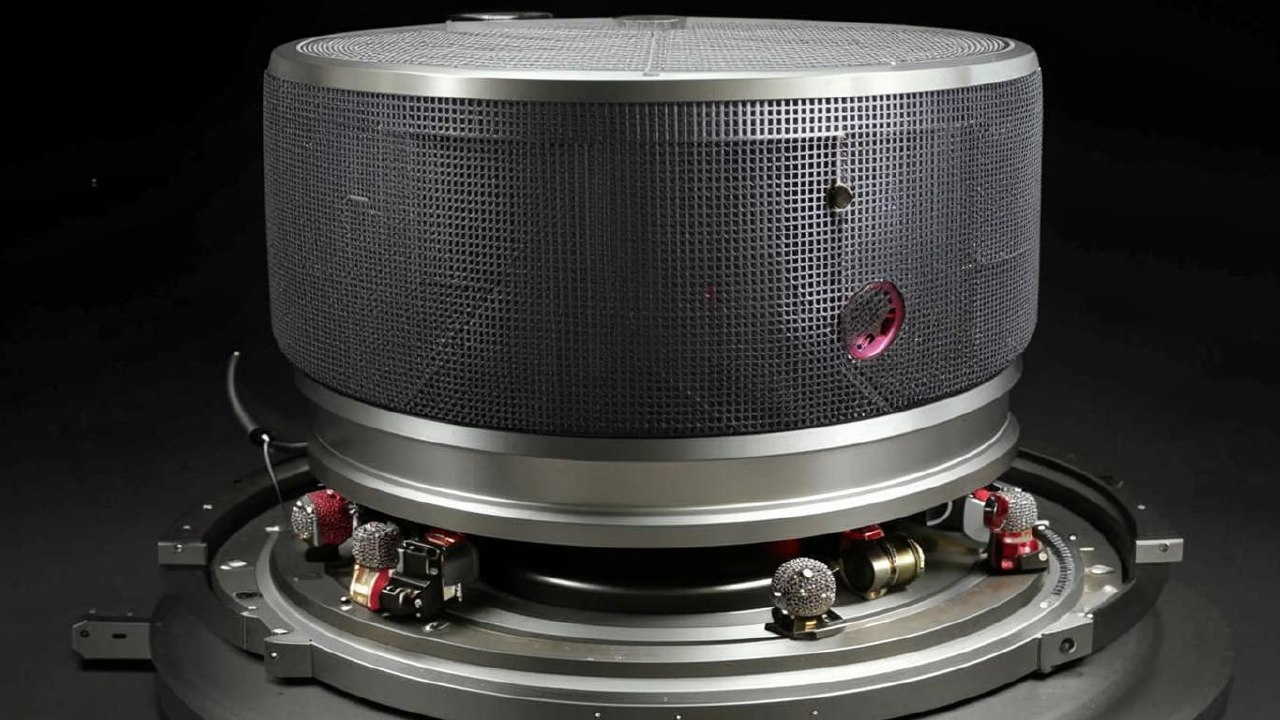
Acoustic interferometers are used in aviation, construction, and medicine to create safer and more efficient materials and structures. To create products that do not transmit acoustic waves, it is necessary to study the ability of materials to absorb sound. This is where an acoustic interferometer is used - a device with microphones that records the absorption of acoustic signals by various materials.
An acoustic interferometer consists of a tube, a speaker, and microphones. The material is placed inside, after which the device creates sound waves, some of which are absorbed and some are reflected. Microphones record the changes, and the program calculates the sound absorption coefficient. The new module from Perm Polytechnic University replaces the functionality of foreign programs and gives the same accurate results as, for example, the Bruel & Kjaer program, but without the need to purchase a foreign license.
The program is already used in educational courses and scientific research. Its capabilities allow analyzing the quality of sound insulation, identifying defects in composites, checking the purity of rocket fuel, and studying the acoustic properties of tissues in medicine. The new development will be useful not only for students and scientists, but also for specialists in industry, aviation, and energy.
Read more materials on the topic:
Russian scientists have created a material for ultra-fast optical chips
Russian scientists have for the first time recorded "runaway" electrons in a laboratory sprite
Chaos under control: the durability of disorder in complex systems has been proven by scientists from Russia and Europe
Never miss our newsAdd this site to your preferred sources to see us more oftenAdd on Google

















