A new portal crane has started operating in the Sea Port of St. Petersburg, becoming the fourth in the line. Its lifting capacity is 63 tons, and the crane itself is designed for handling ferrous metals and containers with bulk cargo.
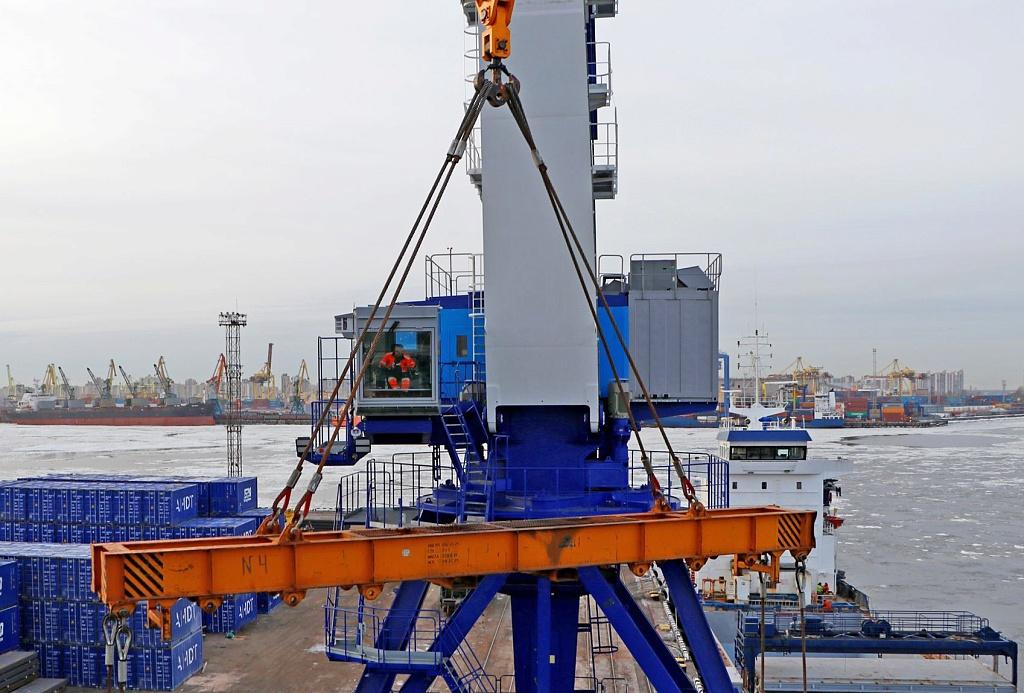
In terms of its technical characteristics, the crane is similar to previous models, but has a number of improvements that were made taking into account the experience of using its "brothers" and changing needs. In particular, the new crane is equipped with a visual indication system for the loading and unloading area using laser projection in two dimensions.
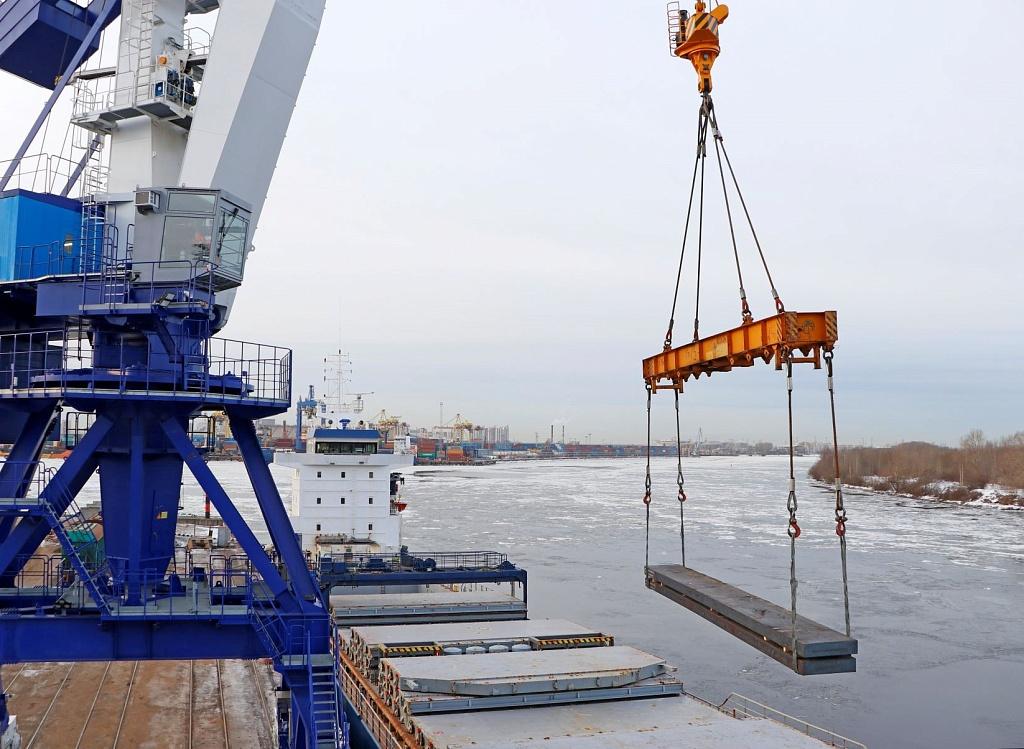
The crane is equipped with a video surveillance system. Cameras are located on the movement mechanisms, boom, in the engine room and cabin. Video recording allows the operator to control the boundaries of the working area, direction of movement, position of the cargo and operation of the mechanisms, which increases the safety and efficiency of loading and unloading operations.
Earlier, the International Sea Terminal in Pionerskyaccepted the first voyage of the cargo-passenger ferry "Antei", which departed from the port of St. Petersburg "Morskoy fasad". The ferry transported passengers and 17 units of rolling stock.
Read materials on the topic:
The universal nuclear icebreaker "Leningrad" was laid down in St. Petersburg
Russia has developed a super-light aluminum-scandium alloy for civil vessels
A new passenger catamaran "Sarma" is being tested on Lake Baikal
Will find sunken ships, explore the bottom: what the new Russian marine drone "Orkan" can do
25 large pleasure boats with a cool design will be built in Russia. The price of each is 300 million rubles
Never miss our newsAdd this site to your preferred sources to see us more oftenAdd on Google

















