A wheel rim for the latest premium Russian car, the Aurus Senat, costs 1.2 million rubles, a set of brake pads costs about 200 thousand, and an assembled engine without a gearbox costs 14.6 million rubles. This was reported by Fontanka.
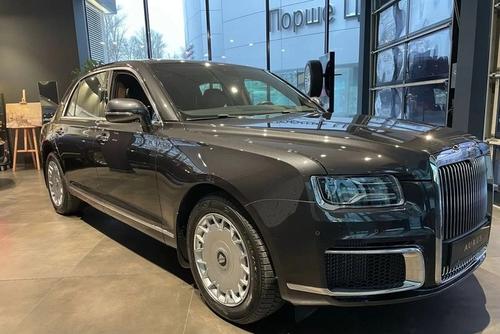
Among the body parts, the most expensive were the headlights and bumpers - 597 and 578 thousand rubles, respectively. The front fenders were estimated at 127 thousand, the doors - at 152 thousand rubles. The windshield costs 337 thousand, the side windows - from 859 thousand to 1.218 million rubles, the rear window - 1.22 million rubles.
Sets of front and rear brake pads cost 96 thousand rubles, rear brake discs - 412 thousand. An air filter will cost 42 thousand rubles, an oil filter - 28.7 thousand. Stabilizer struts are estimated in the range from 15 to 17 thousand rubles.
The nine-speed KATE "automatic", which is assembled at NAMI's facilities, costs slightly less than the engine - about 10 million rubles.
Read materials on the topic:
"Scheduled by name": NAMI spoke about the demand for premium Aurus cars
Gazprom to develop Aurus brand
Manturov promised that Aurus models will become more affordable in a year
Never miss our newsAdd this site to your preferred sources to see us more oftenAdd on Google

















