The Filatov Moscow Design Bureau will begin testing a flying car with the code name IF-9 in January. The two-seater car has received a number of innovative solutions in both safety and layout. The project is currently at the stage of finalizing the IF-9 prototype at a scale of 1:5.
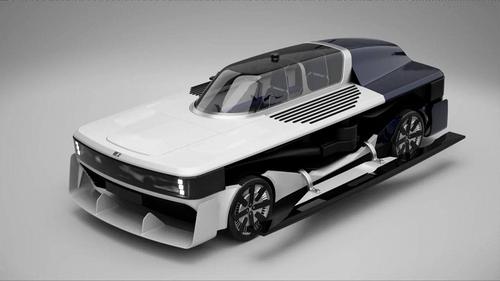
The main advantage of the concept is the layout of the traction units. The IF-9 is a wheeled platform with folding pylons with engines for propellers at the corners. When folded, they are hidden in the body, and when working, the IF-9 turns into a kind of quadcopter.
A passenger compartment capsule with two seats located one behind the other is integrated in the center of the car, which can be accessed through a folding hood using retractable steps built into the body.
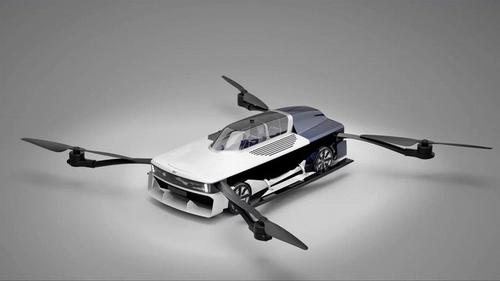
The IF-9 capsule also received a rescue system; in the event of an emergency, the electronics will fire it off using pyrotechnic cartridges and release parachutes. When landing, a speed damping function will be activated. The designers are considering a hydrogen or electric drive as an energy source.
Now the developers plan to begin flight tests of the prototype. They noted that third-party investments will be required to complete the project.
Read more on the topic:
Electric vehicle production in Russia has grown by almost 80% over the year
Online sales of electric vehicles launched in Russia
Never miss our newsAdd this site to your preferred sources to see us more oftenAdd on Google