Translated with AI from the Russian original.
The head of the Ministry of Education of Russia, Sergey Kravtsov, stated at the VIII All-Russian Congress of Preschool Education Workers that parents should not allow children to play on tablets or phones, as this may negatively affect their psyche.
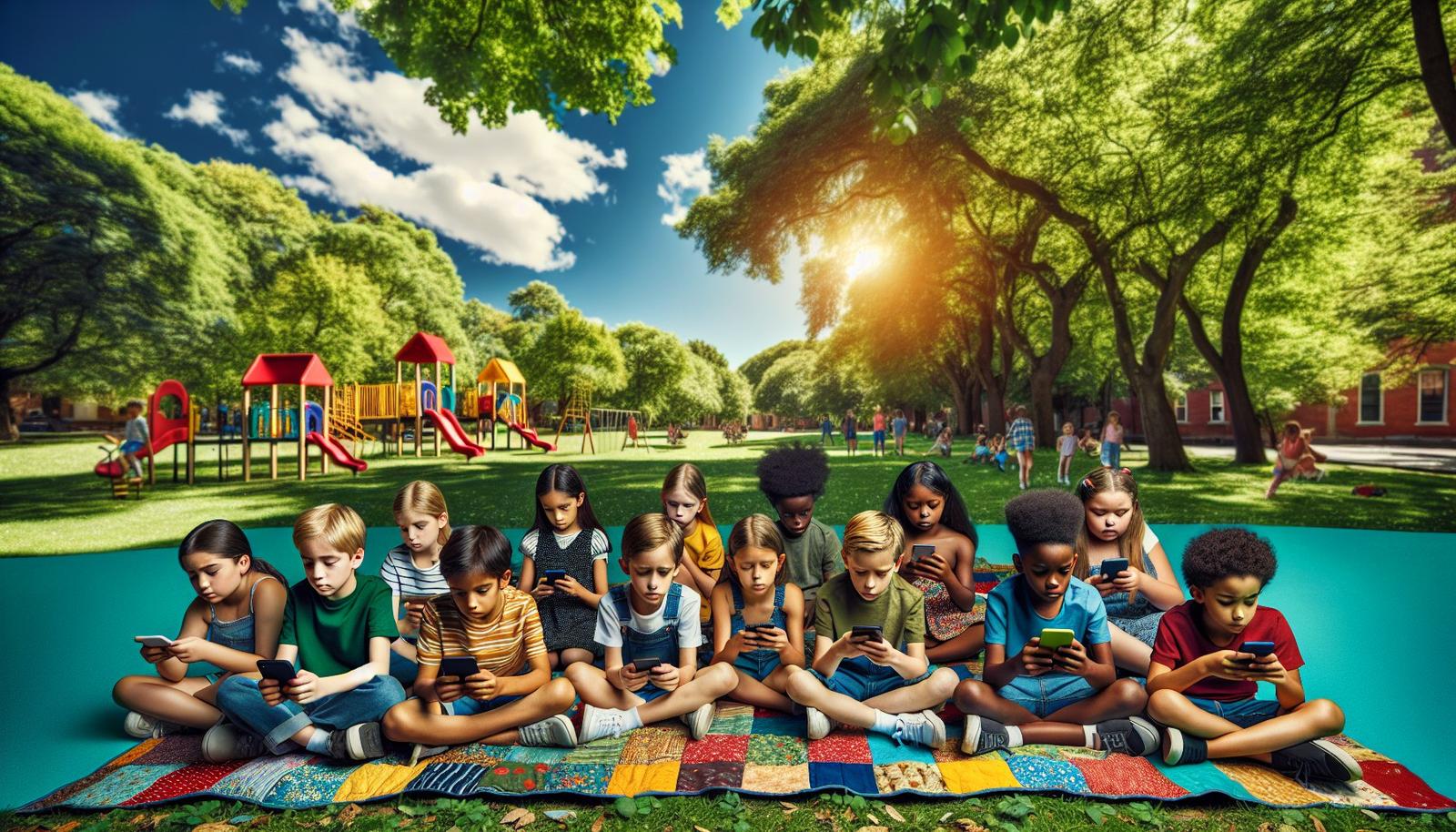
The minister emphasized that this practice has become quite common, especially in Moscow, where children often receive devices so as not to disturb their parents in cafes, restaurants, or at events. Kravtsov believes that this may lead to problems in the future, for example, children will find it more difficult to communicate with their parents or control their emotions.
In his opinion, parents should pay more attention to their children and actively communicate with them. He called this topic a challenge for the state, and if it is not addressed, then, according to the minister, the number of children "with deviations from the norm" will increase.
From September 1, 2024, the use of mobile phones by students during lessons is prohibited in Russian schools, even for educational purposes. This measure is aimed at minimizing distractions and improving the learning process.
The deputy director of one of the schools in the Sverdlovsk region, Denis Kireev, noted that social networks can be useful for communication and obtaining information, but can also carry dangers, such as cyberbullying or harmful content. He emphasized that, according to the recommendations of most platforms, the minimum age for registering on social networks is 13 years, however, for some children this age may be premature.
Doctor of Psychological Sciences Roman Demyanchuk expressed the opinion that banning children from using social networks at school will not solve the problem of their excessive use. He proposed a more comprehensive approach, which includes the development of the educational environment, the expansion of extracurricular activities, and the improvement of interaction between the school and the family.
Read materials on the topic:
Children's SIM cards: the State Duma proposed a way to limit children from adult content
The use of telephones will be prohibited in Russian schools
Never miss our newsAdd this site to your preferred sources to see us more oftenAdd on Google

















