JSC "RESHETNEV" uses additive technologies to accelerate the assembly of satellites of the low-orbit multi-satellite system "Marathon IoT" within the framework of the federal project "Sphere". The "Marathon" spacecraft includes antenna-feeder devices printed with metal.
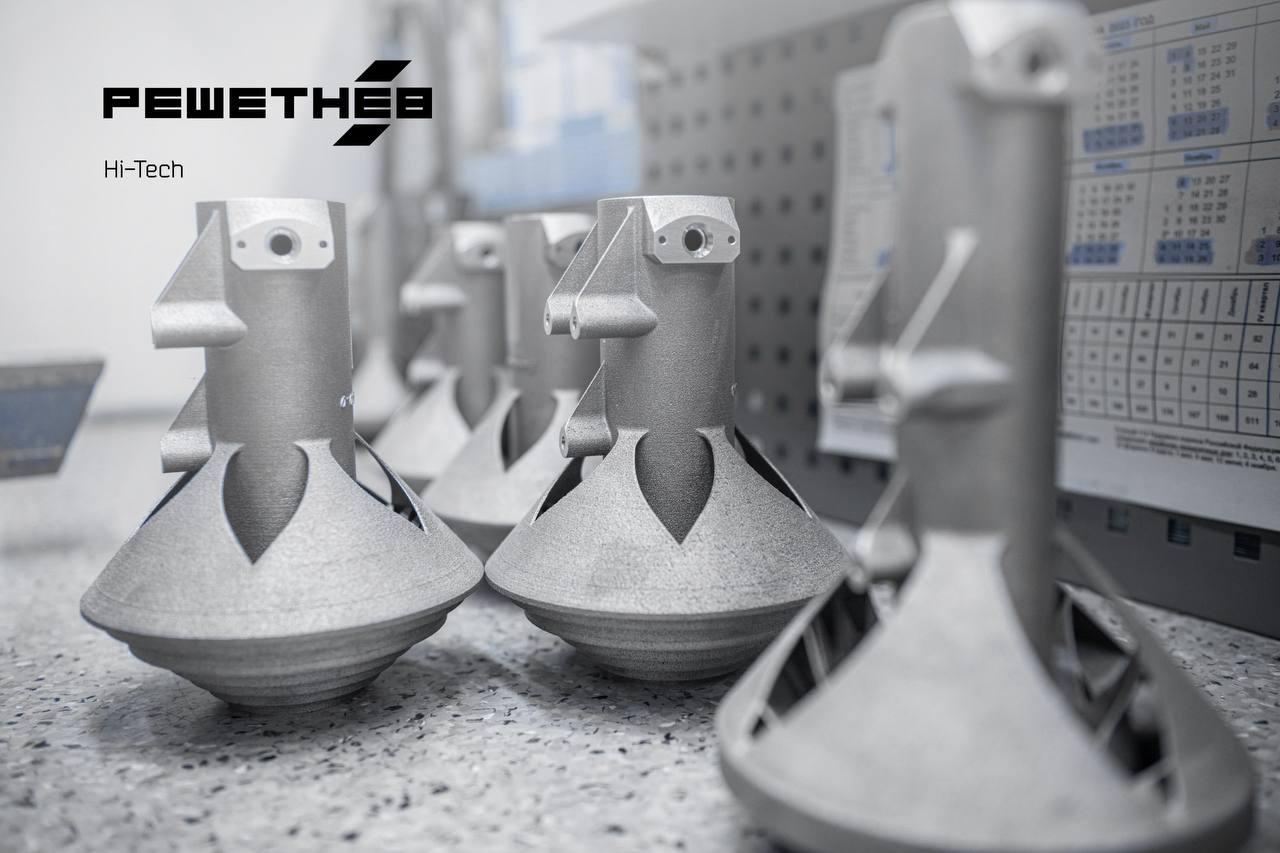
At the complex of selective laser melting of metal powders for the first flight spacecraft "Marathon", 16 emitter screens and 4 feeder line antennas were created. In addition, a set of products for autonomous testing was designed and manufactured, consisting of 10 antennas and 15 brackets for flywheel motors. All elements have successfully passed tomography testing, which determined the presence of pores and voids in the parts. Autonomous tests of the feeder radio line antenna were also carried out with positive results. In the future, it is planned to manufacture elements for serial "Marathon" satellites using additive technologies.
This is not the first experience of using additive technologies in Russia in strategic areas recently. In particular, the "Rosatom" DMD printer using powder materials made of nickel alloys, stainless and heat-resistant steels provides parts for the nuclear, aviation, shipbuilding and space industries.
Never miss our newsAdd this site to your preferred sources to see us more oftenAdd on Google

















