COMTRANS-2026, the main Russian industry event for commercial vehicle manufacturers, has opened in Kazan. For the first time, Tatarstan became the venue, and instead of the usual Moscow Crocus Expo, participants gathered at the Kazan Expo International Exhibition Center. The exhibition will run until September 25.
KAMAZ, MAZ, GAZ, Ural, Sollers Alabuga, RariTEK, and foreign manufacturers were all present at one venue. In total, according to the organizers and the Ministry of Industry and Trade of Tatarstan, about 120 Russian and international companies are presenting their products. Among the participants are enterprises from Belarus, Turkey, and China.
In this sense, Tatarstan has something to show. KAMAZ is located in the republic, and a whole industrial ecosystem has grown around it in recent years – from component manufacturers to enterprises that turn a truck chassis into a garbage truck, fuel tanker, or other specialized vehicle.
At the KAMAZ stand are K5 generation tractors, isothermal vans, garbage trucks, and municipal equipment.
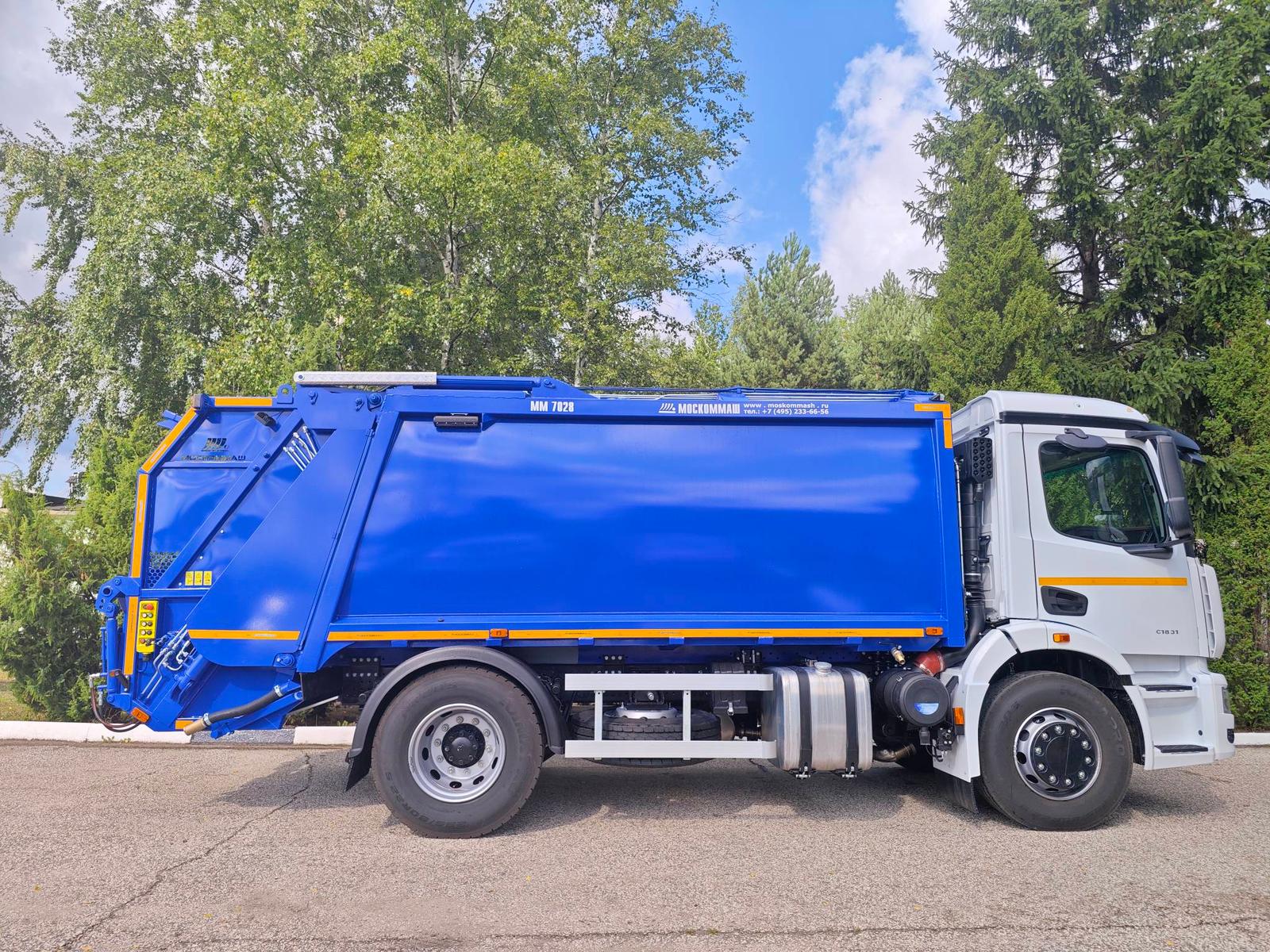
One of the most interesting exhibits is an experimental garbage truck on the new KAMAZ-53253 chassis. KAMAZ developed the vehicle jointly with Moskommash. The prototype itself was presented before the exhibition: www1.ru wrote about it in August. After being shown at COMTRANS, the vehicle is expected to undergo bench and real-world tests.
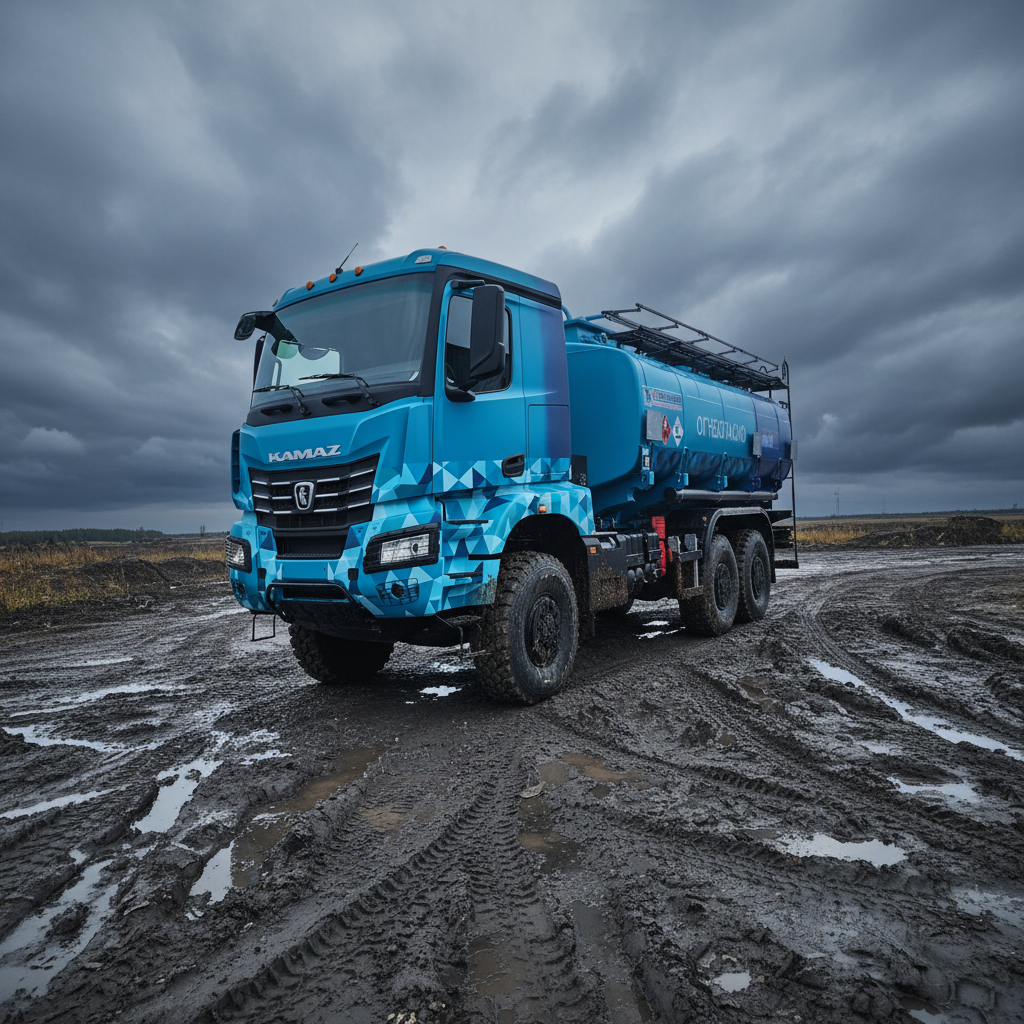
Another example is a fuel tanker on the KAMAZ-65959 chassis. The vehicle received an 18 cubic meter tank and a 6x6 all-wheel drive chassis.
However, an important event took place directly at the opening of COMTRANS.
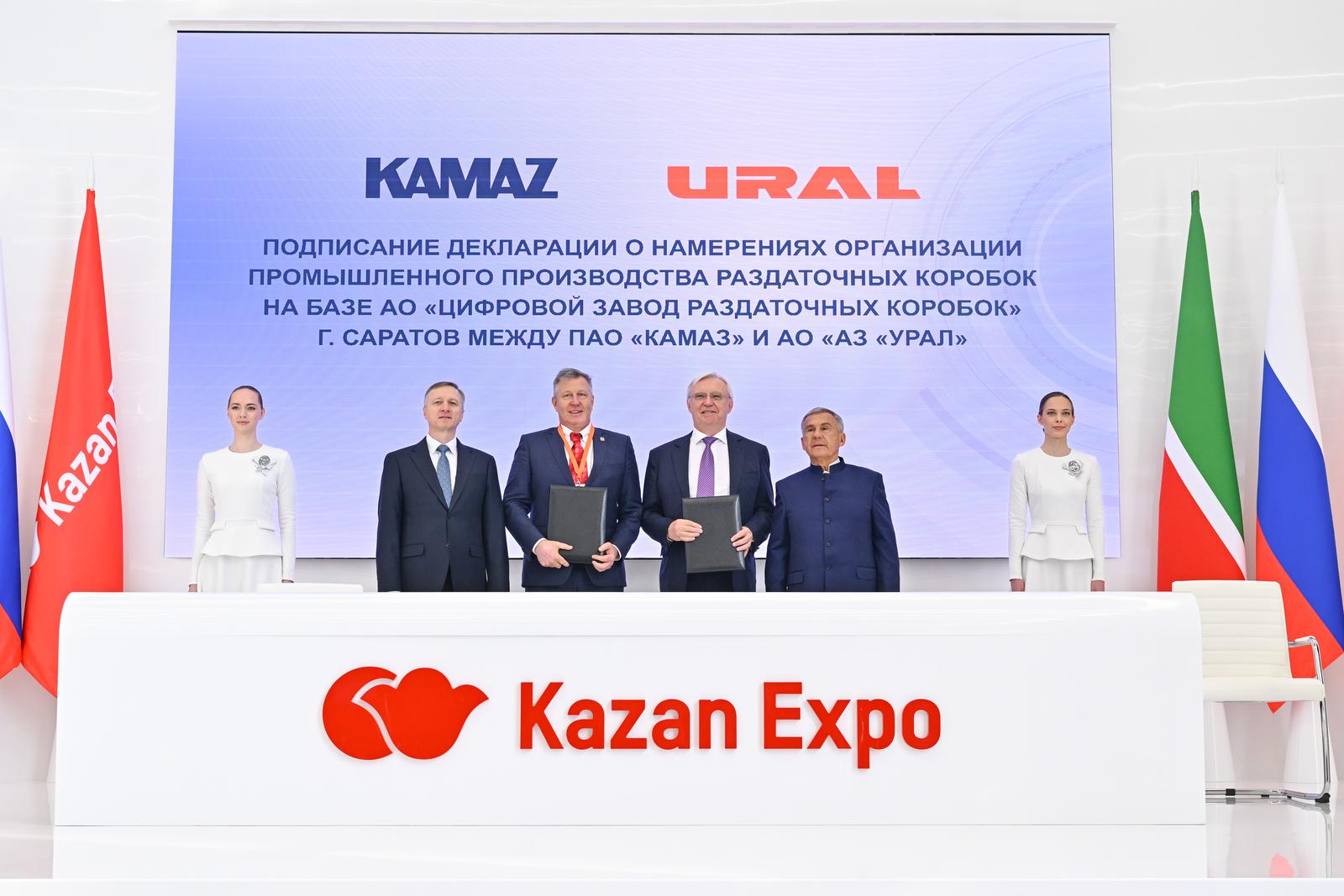
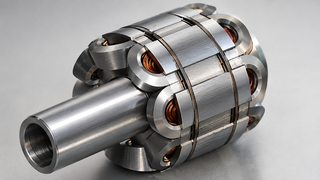
KAMAZ, MAZ, and the Ural Automobile Plant signed declarations of intent to organize industrial production of transfer cases. The project is to be implemented in Saratov.
The plant itself did not appear out of thin air today. www1.ru reported on the start of its construction in late August. The enterprise is expected to produce a new generation of transfer cases weighing about 320 kg with a declared service life of up to 800 thousand km. The products are planned to be supplied to several truck manufacturers, including KAMAZ, MAZ, and Ural.
Now the project has another practical element – potential consumers of the products have already expressed interest in its industrial production.
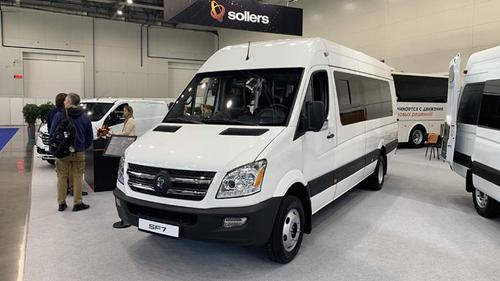
Passenger vehicles are also presented at the exhibition. Sollers showed a pre-production version of the SF7 small bus. According to the organizers, the vehicle received Russian power units – a 2.7-liter diesel engine with 150 hp and a six-speed manual gearbox. Serial production is planned for the IV quarter, and an agreement on test operation has been signed with a Penza carrier.
In general, COMTRANS in Kazan turned out to be an exhibition not so much of individual cars, but of the automotive industry as a whole. Chassis, superstructures, engines, transmissions, trailers, and equipment for vehicle maintenance are shown here.
And, perhaps, that is why Tatarstan decided to add another resource to the industrial exposition, which requires neither bench tests nor certification.
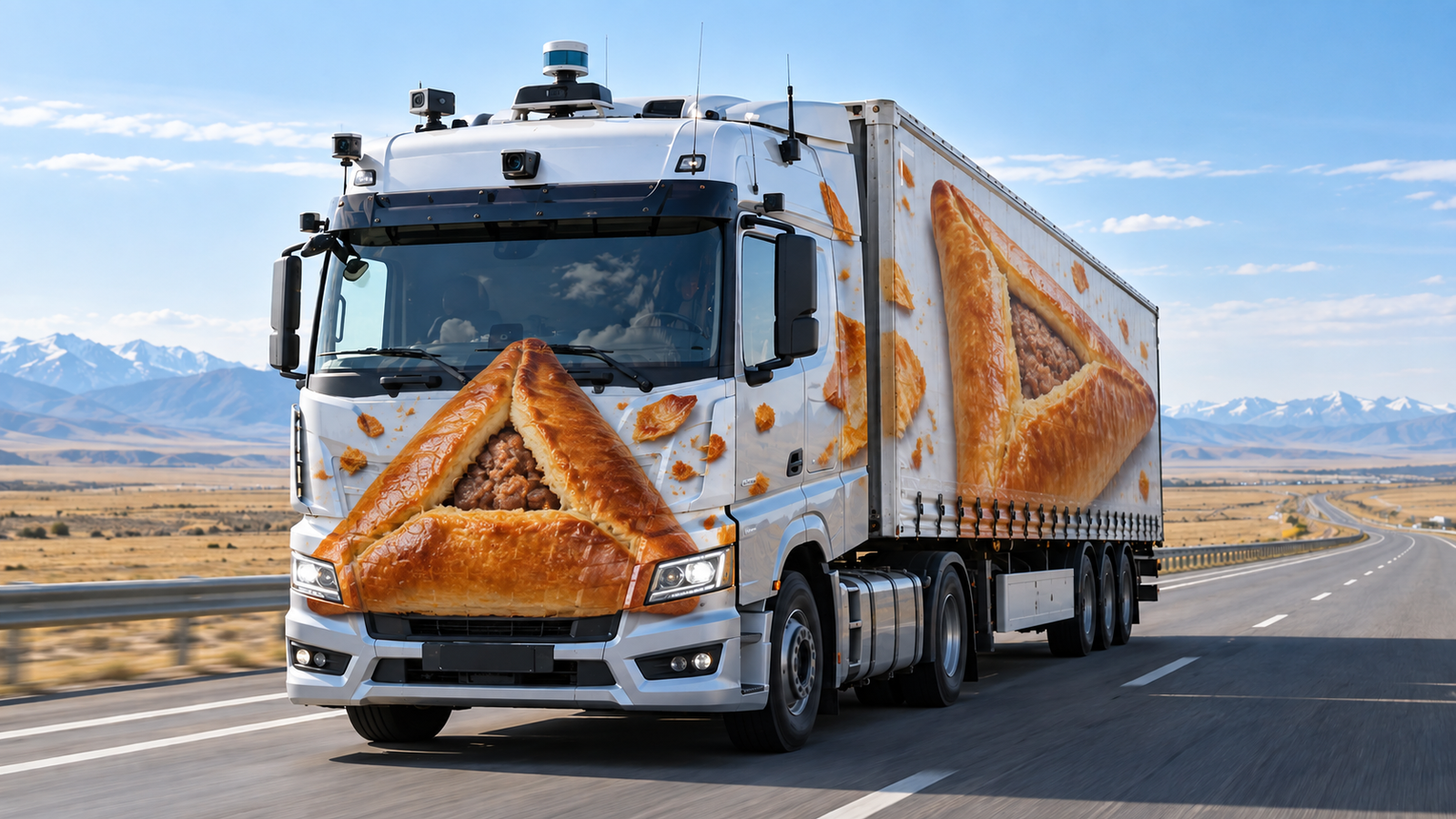
Echpochmak.
Oleg Korobchenko, Deputy Prime Minister – Minister of Industry and Trade of Tatarstan, even before the current exhibition, explained the local strategy to foreign guests quite directly: “We will feed them our echpochmaks, our horse meat, chak-chak, and then we will sell KAMAZ trucks.”
The strategy, it must be admitted, is technologically simple. KAMAZ needs roads, engines, gearboxes, and components. The exhibition needs manufacturers and buyers. Tatarstan needs orders.
And a foreign guest, after several echpochmaks, probably just finds it harder to say “no”.
However, COMTRANS-2026 shows that not only KAMAZ trucks are going to be sold here. The production of components for several brands, the localization of units, and the joint development of specialized equipment are discussed at one venue.
Echpochmak remains the simplest component in this design.
At least it doesn't need to be put into mass production.
Read more on the topic:
Never miss our newsAdd this site to your preferred sources to see us more oftenAdd on Google