When you see a third seat in the cockpit of a modern passenger aircraft, the first thought is that we are looking at a relic from the last century. It seems logical, because old technologies required more hands, while modern automation left only two pilots in the cockpit.
This is how they explain why the Russian flagship Il-96-400M still flies with a flight engineer, while its competitor, the Boeing 777-200, manages with just two.
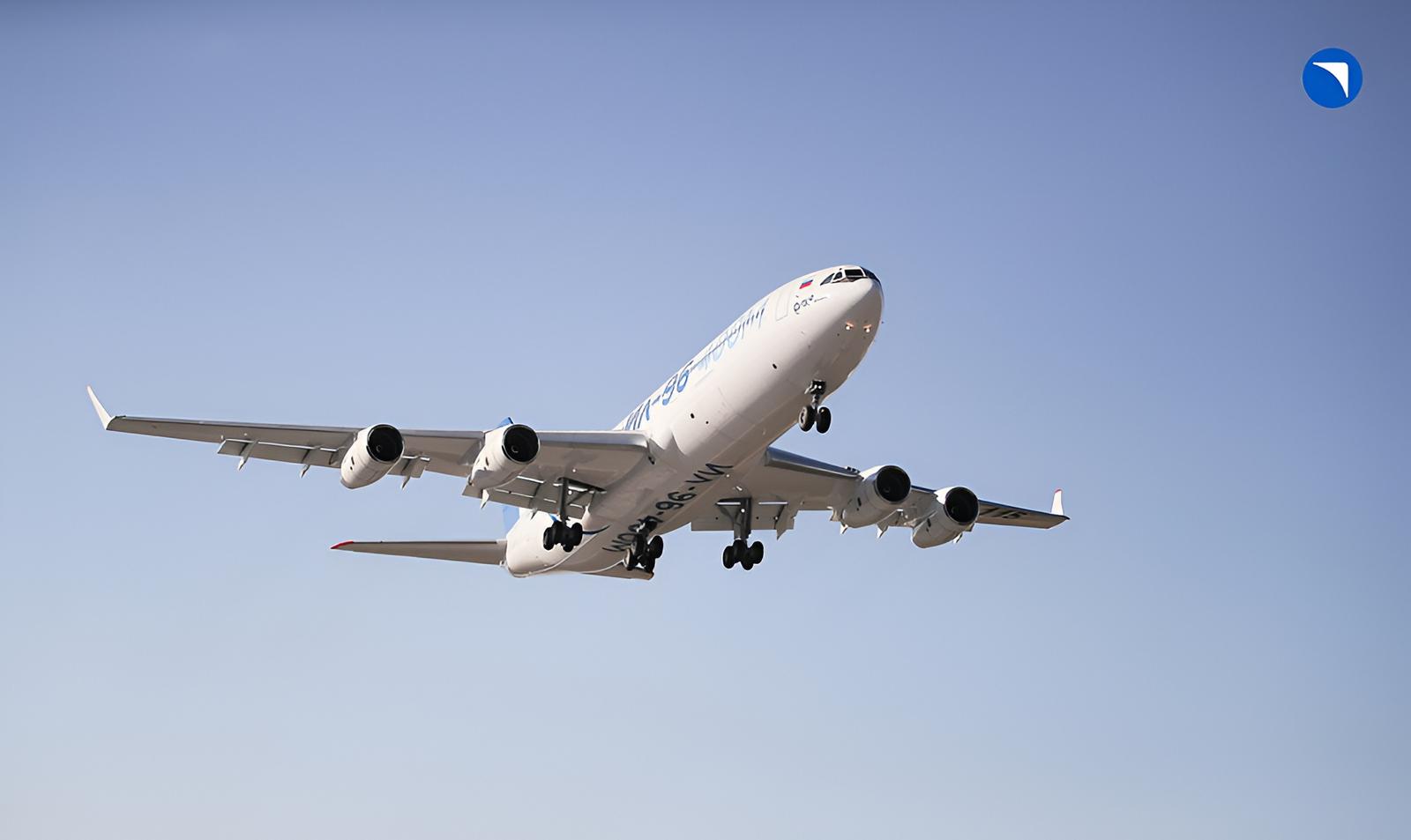
"Pervy Tekhnichesky" explains why the difference between them lies not in technological backwardness, but in a different engineering philosophy.
What a flight engineer does
The third crew member of the Il-96 does not control the aircraft instead of the pilots. He is primarily responsible for monitoring technical systems: engines, power supply, hydraulics, fuel, and other units.
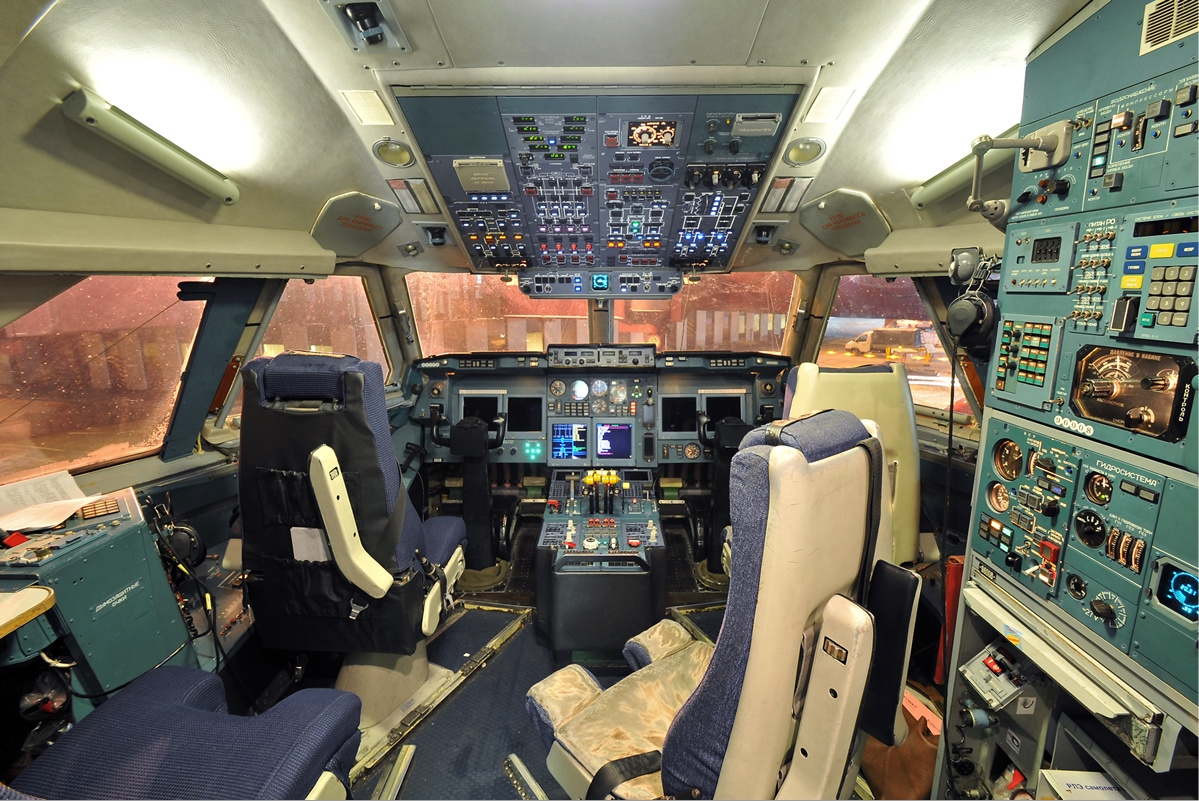
The fuel system of a large four-engine airliner is especially important. Fuel consumption and its distribution among the tanks must be controlled taking into account the aircraft's weight and balance.
However, the presence of a flight engineer does not mean that the Il-96 lacks modern automation. A significant part of the information is indeed displayed on electronic indicators, and many operations are performed automatically.
Why the Boeing 777 managed with two pilots
The Boeing 777 was originally designed for a two-person flight crew. The designers maximized the transfer of system control to automation and onboard computers, leaving flight control and decision-making to the pilots.
And it's not just about the number of engines. Two engines simplify a number of tasks, but the key role is played by how the aircraft's systems are designed and how deeply they are automated.
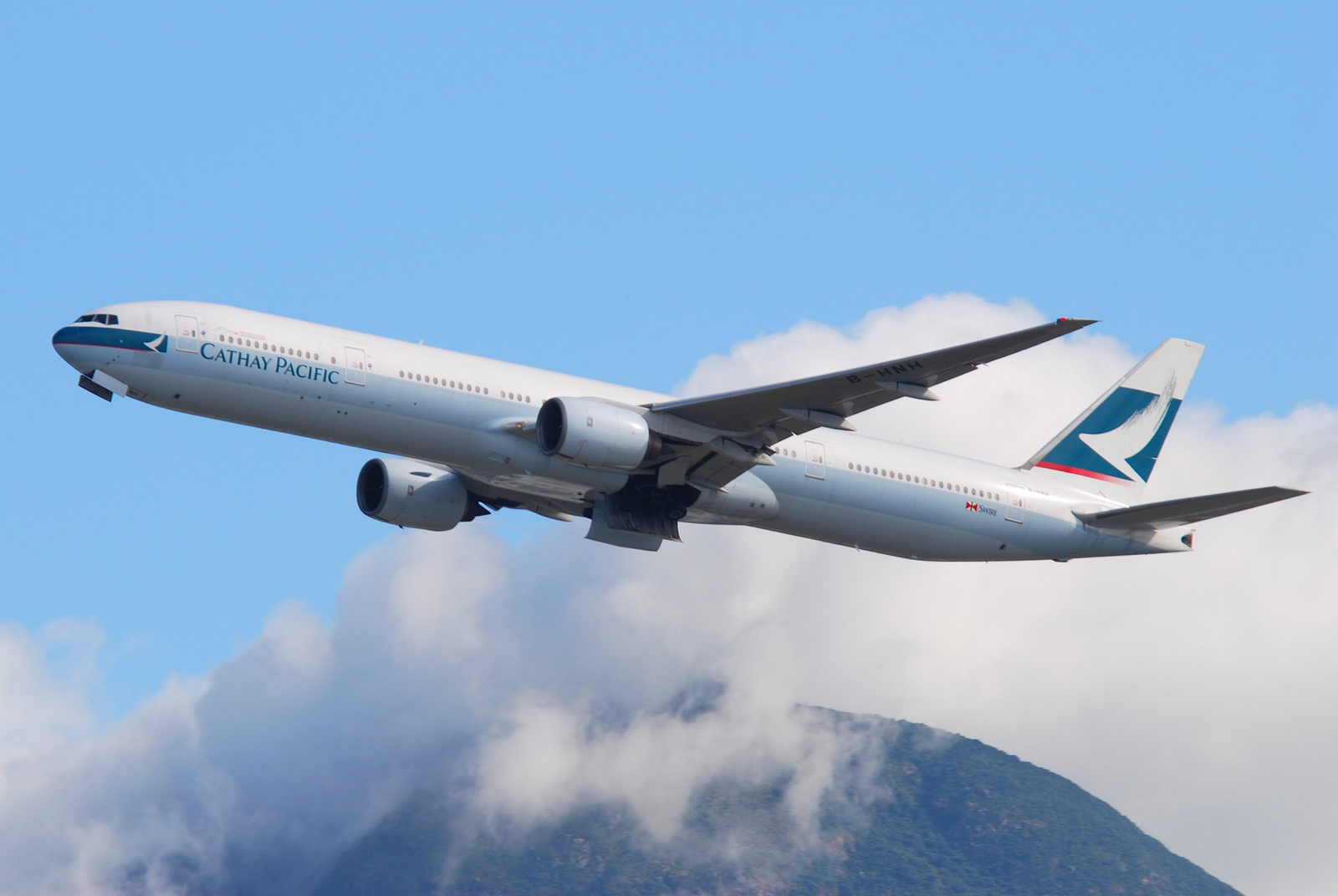
Therefore, in the Boeing 777, two pilots independently control not only the flight, but also the condition of the power plant, fuel, hydraulics, and electrical systems through automated systems and indication.
The Il-96 could already fly with two pilots
It is interesting that the design of the Il-96 family itself does not exclude a two-person cockpit. In the 1990s, a variant with two pilots was tested on the Il-96M project, and the aircraft received American Collins avionics.
The problem here is not the physical impossibility of controlling the Il-96 with two people. For the Il-96-400M, created with reliance on domestic components and in a short time, the familiar scheme of "two pilots + flight engineer" was retained.
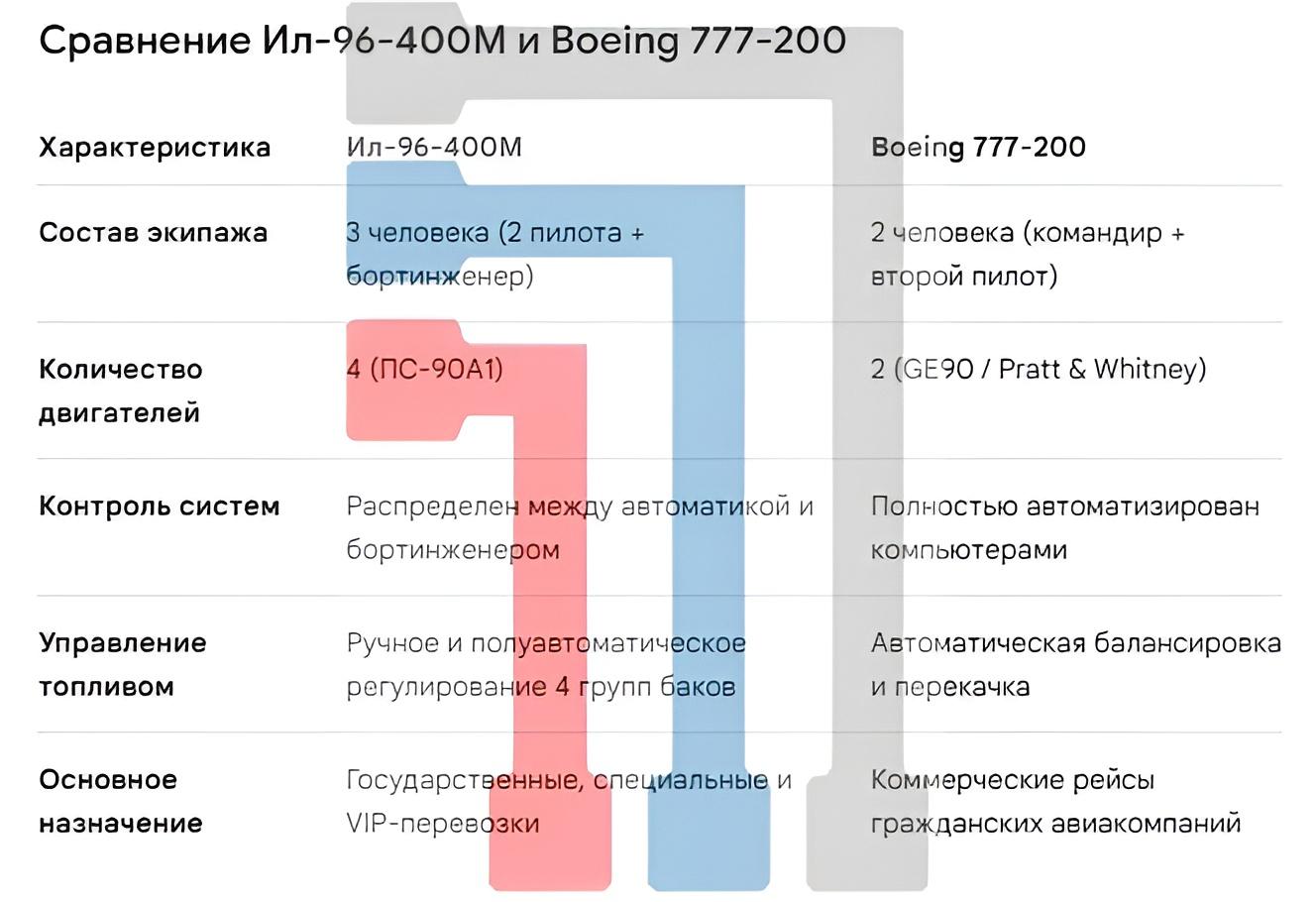
Moreover, today the Il-96-400M is built primarily for state and special needs, where absolute reliability is more important than commercial savings on the salary of a third crew member.
Read more on the topic:
Never miss our newsAdd this site to your preferred sources to see us more oftenAdd on Google