Iran has for the first time publicly spoken about creating an intercontinental ballistic missile with a range of up to 15,000 km, which will require the country to significantly expand its existing missile capabilities. The possible development paths for the missile and the role of Russian technical solutions in them were reviewed by the publication "Tekhnosfera Rossiya".
A missile of this class primarily requires a powerful solid-propellant propulsion system. Iran already possesses the relevant technologies and uses solid fuel in ballistic missiles. In addition, the country will need to ensure precise autonomous guidance over intercontinental distances. This involves an inertial guidance system, an onboard digital computer, and a control complex capable of operating without constant external correction.
The history of missile cooperation between Iran and North Korea is also important for assessing Tehran's possible path. Until the early 2010s, the countries were at a comparable level, after which North Korea made rapid progress towards creating an ICBM. Against this background, the question of the Soviet technological legacy arises: if specialists from former Soviet enterprises participated in the development of the North Korean program, similar engineering solutions could potentially be of interest to Iran as well.
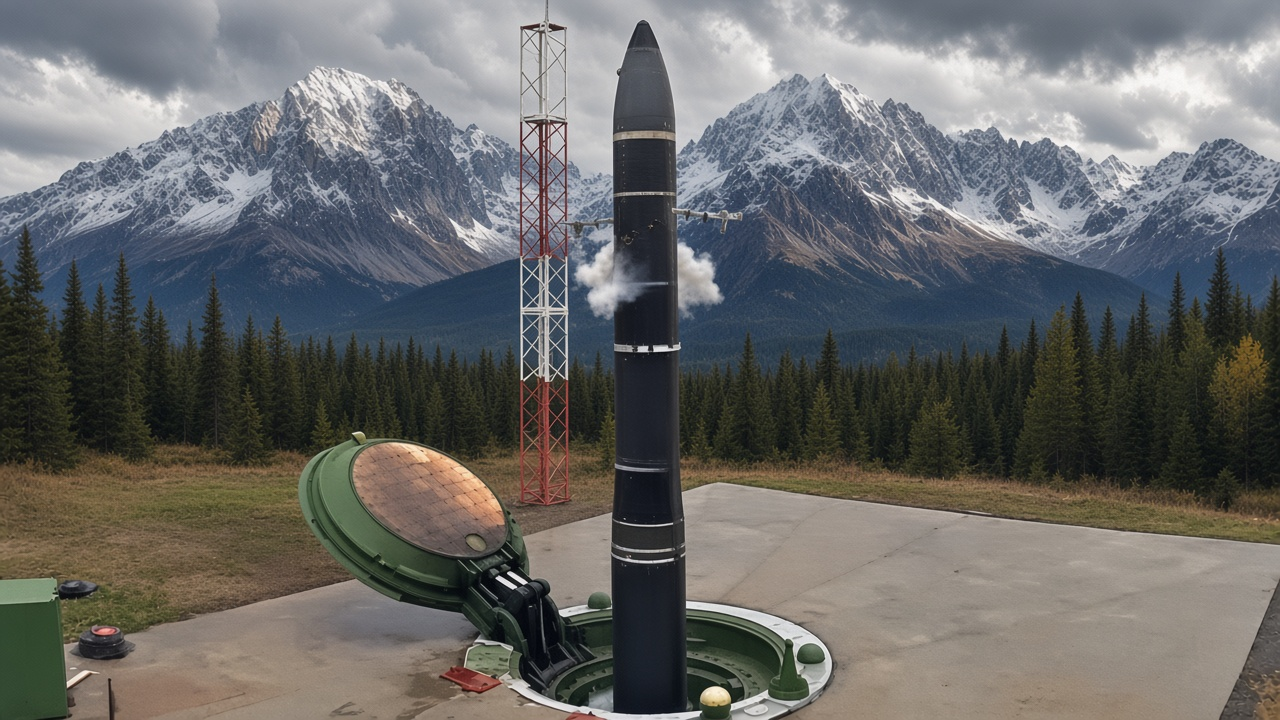
The Russian "Topol-M" demonstrates how these solutions are integrated into a single system. The missile has a range of about 12,000 km, uses solid-propellant engines, and autonomous inertial guidance. For Iran, such a complex of technologies is of much greater interest than the individual characteristics of a specific missile: it is the combination of the engine, control system, stage design, and means of overcoming missile defense that determines the capabilities of an ICBM.
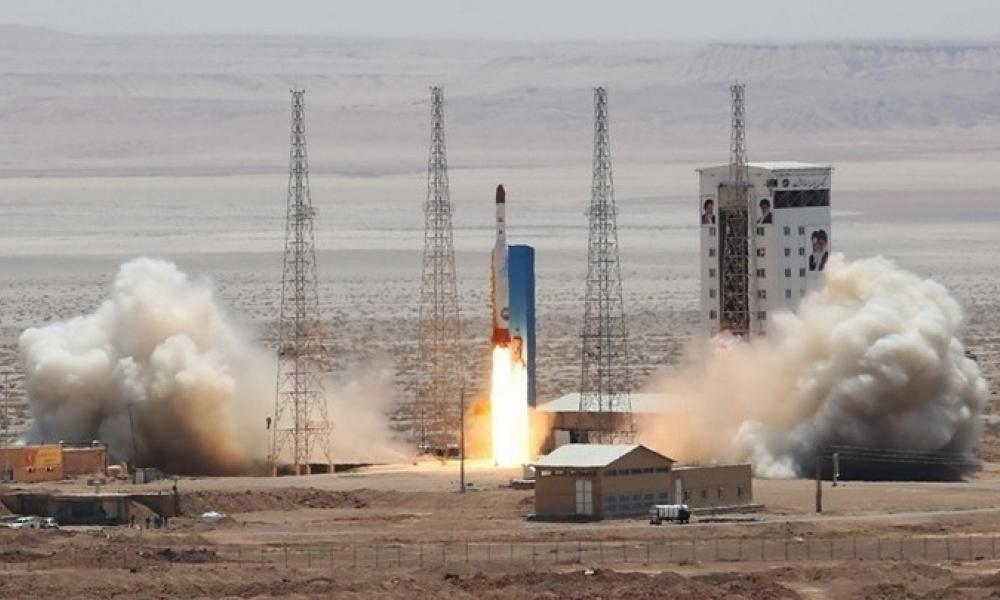
Iran also already has a space base for further development of missile technology. The "Simorgh" launch vehicle is a two-stage liquid-propellant system designed to launch satellites into orbit. It is not an intercontinental ballistic missile, but its development shows that the country has experience in designing multi-stage missiles, engines, and control systems. Additional foundations are provided by the "Shahab" and "Khorramshahr" ballistic missile families.
At the same time, there is currently no evidence that Russia is transferring "Topol-M" technologies to Iran. It can only be about the potential use of individual engineering solutions from the Soviet missile school, which were disseminated over the years through specialists and international connections.
Read more on the topic:
Never miss our newsAdd this site to your preferred sources to see us more oftenAdd on Google