Military aviation is reaching hypersonic frontiers beyond the stratosphere. The answer to the emergence of future orbital weapons, it seems, is already taking shape in Russian design bureaus.
Drawings of a unique apparatus, declared as a two-stage interceptor of space bombers, capable of accelerating to Mach 20 — 24,500 km/h near the ground and 21,500 km/h in the stratosphere, have appeared in the public domain. The author of the project is designer Yuri Mikhailov from Samara.
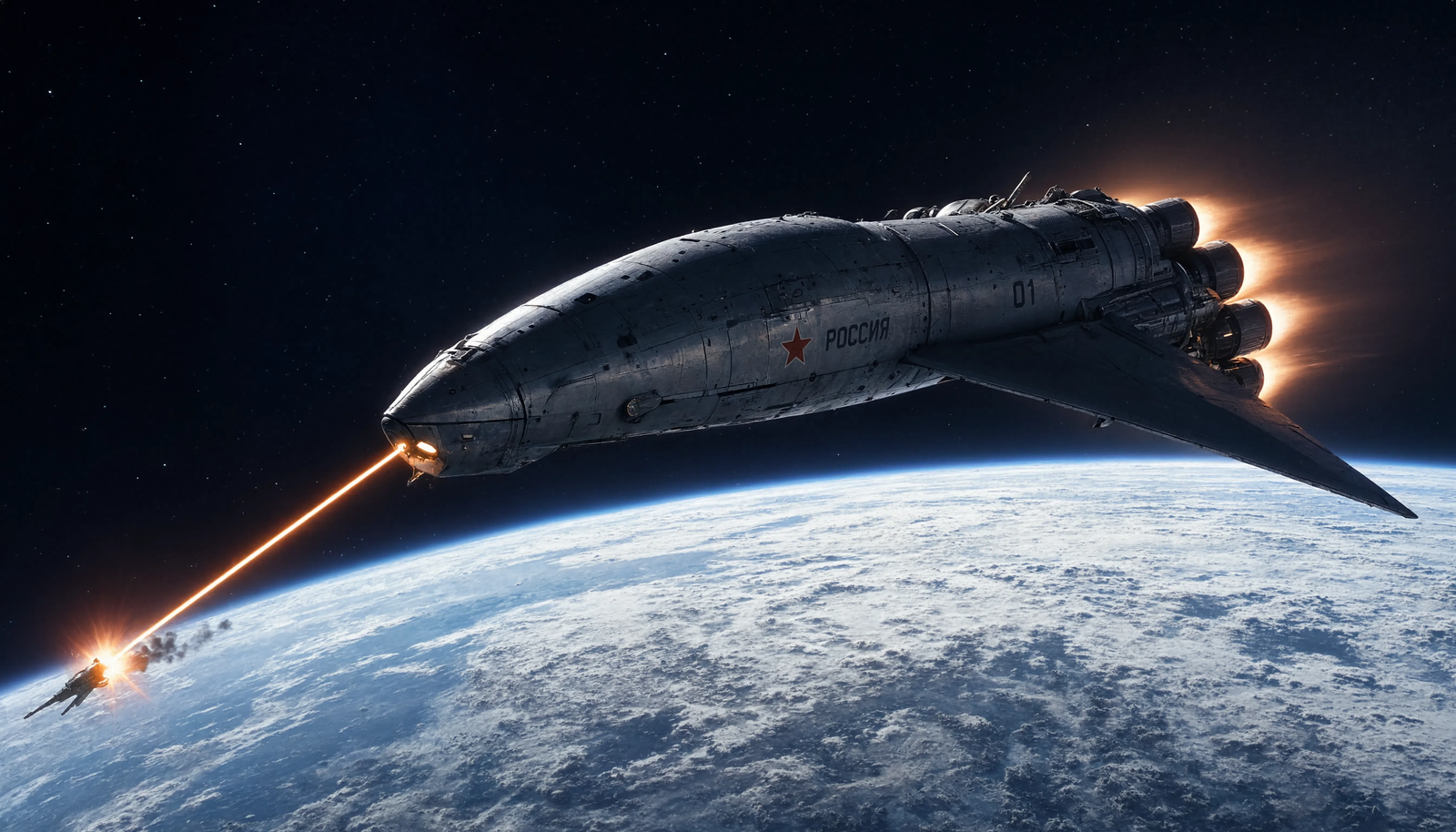
The concept looks more like something out of science fiction. The apparatus, weighing about 100 tons, launches almost vertically, after which it separates the first stage and continues acceleration on the second.
The first stage received three solid-propellant rocket engines, each with a thrust of 100 tons. They are designed to lift the apparatus out of the atmosphere and accelerate it to supersonic speed. After fuel depletion, the stage separates with pyrotechnic bolts.
In Space — Four LREs and Hydrogen
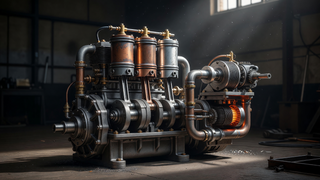
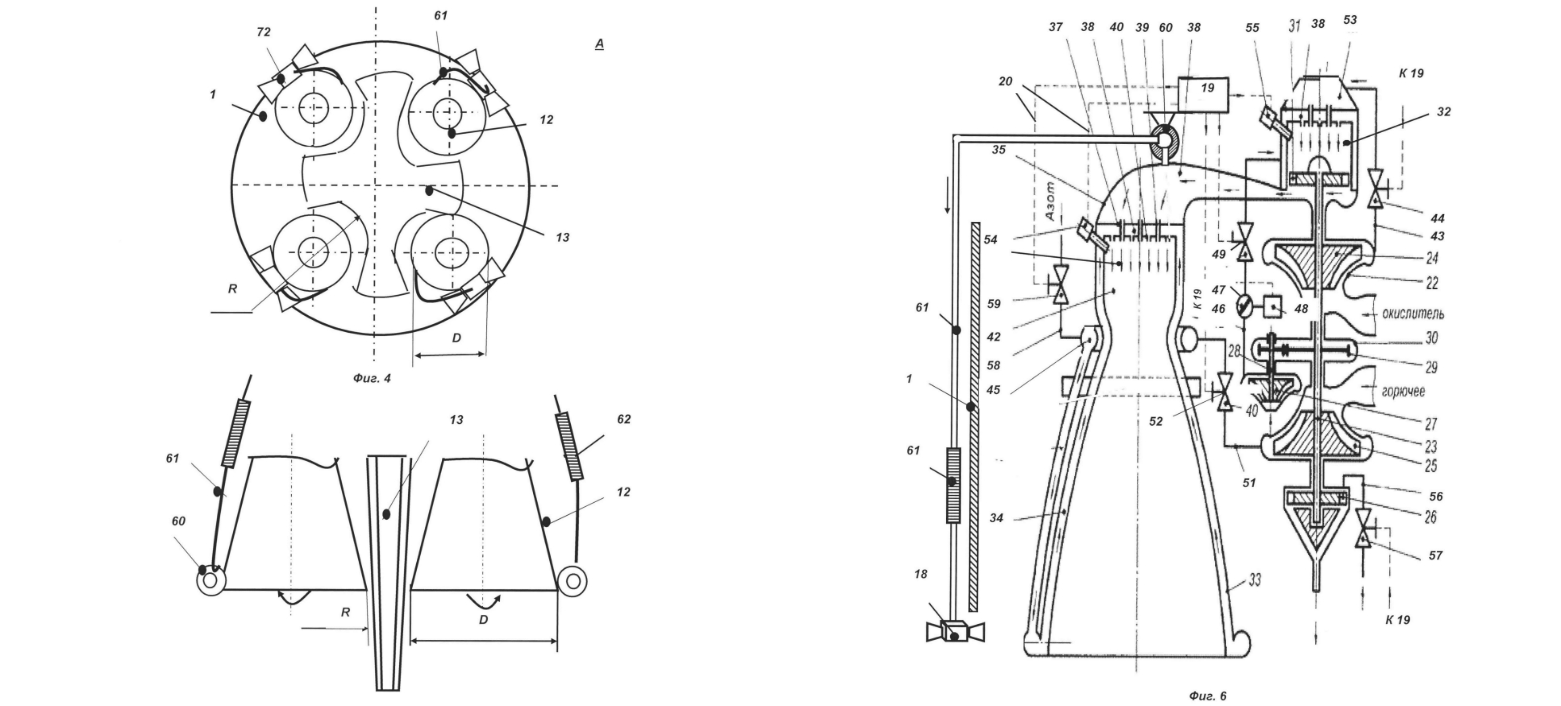
The second stage is noticeably different from the first. It is equipped with 4 liquid-propellant rocket engines, each with a declared thrust of 150 tons. They run on liquid hydrogen and oxygen and are designed to accelerate the apparatus in space.
The patent claims an extremely ambitious figure: a speed of Mach 15 should be reached in approximately 80 seconds. The maximum declared speed is Mach 20.
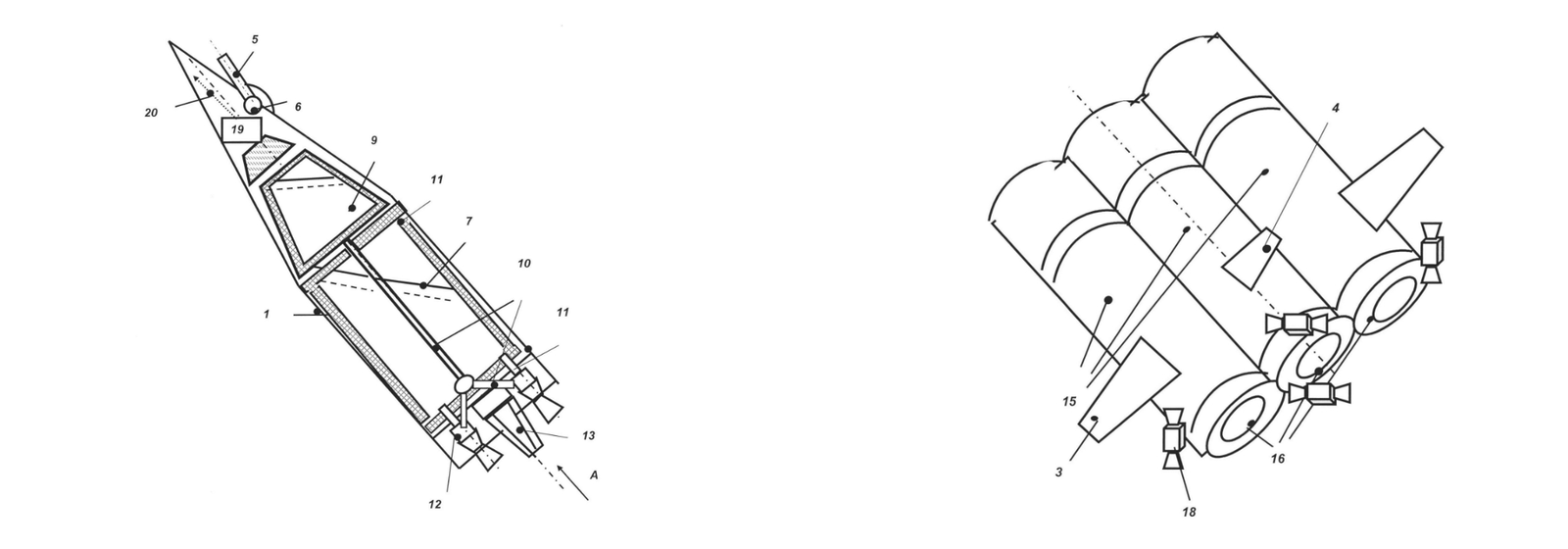
The engine layout itself is also interesting. Between the four LREs, there is a conical central body, which, according to the author's design, should increase the expansion ratio of the nozzles and improve their efficiency by 8–10%.
Moreover, the engines are intended not only to be turned on but also to be turned off repeatedly. Swiveling LREs and separate roll nozzles are used for flight control.
The Main Surprise — a Combat Laser
But the most unusual detail is not in the propulsion system. The second stage should carry a weapon, preferably a combat laser.
The patent directly states the possibility of using the apparatus not only against "space bombers" but also for destroying various satellite systems and spacecraft.
That is, the author proposes not an ordinary hypersonic aircraft, but a kind of two-stage rocket interceptor apparatus that continues to operate in space after launching from the atmosphere.
The interceptor should combine the functions of a hypersonic apparatus and a space weapon — with rocket acceleration and a laser weapon on the second stage.
Read more on the topic:
Never miss our newsAdd this site to your preferred sources to see us more oftenAdd on Google