Translated with AI from the Russian original.
On July 31, 2026, the second stage of mandatory cargo tracking using navigation seals began in the EAEU. Now the system extends to all road transit, as well as to the transportation of high-tax goods by rail. Why such a system was needed, how it works, why disputes arose around it within the EAEU, and what problems carriers faced – "Pervy Tekhnichesky" investigated.
What is a navigation seal and how does it work
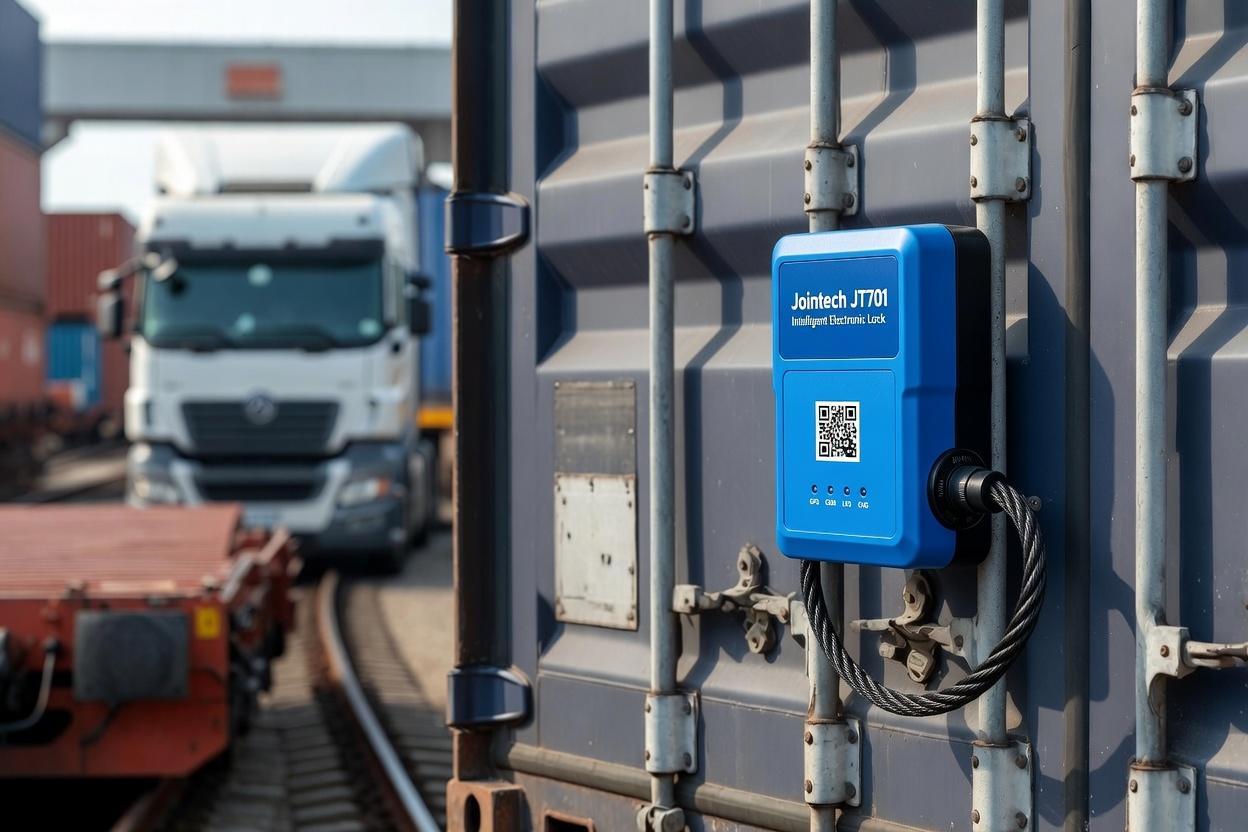
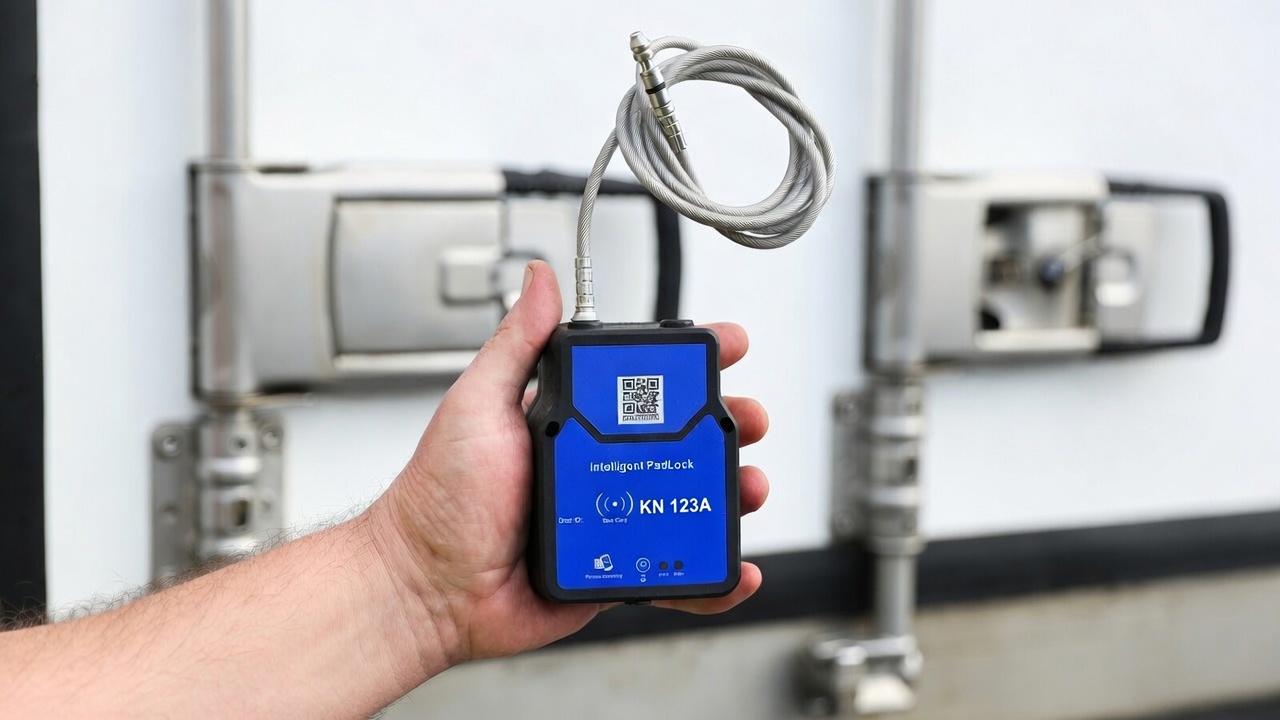
A navigation seal is an electronic device that is attached to a cargo compartment and allows real-time tracking of goods movement.
Information about the cargo and route is stored within the system. After activating the seal, transportation can be controlled remotely: tracking the route and recording attempts of unauthorized access to the goods.
In Russia, the Center for the Development of Digital Platforms (TsRTSP) is responsible for organizing work with such devices. A specialist from the operator installs the seal on each cargo compartment, after which data begins to be transmitted to the control system.
As explained by the Ministry of Transport, the technology should help identify cases where goods are attempted to be unloaded illegally and customs rules are circumvented. At the same time, digital control should not only combat violations but also reduce the number of inspections for honest businesses.
From first cargoes to full control: how the system is developing
The introduction of navigation seals is taking place in stages. The first stage started on February 11, 2026. At that time, mandatory tracking was extended to road and rail transportation of sanctioned and excisable goods transported within the framework of customs transit, export, and internal trade of the EAEU.
Also, road transit of high-tax goods – clothing, footwear, equipment – and export of nicotine-containing products came under control.
Now the rules have been expanded. The next stage will be the full transition to sealing railway transit – it is scheduled for May 27, 2027.
New rules and market participants
Industry representatives raised the question of whether authorized economic operators (AEOs) – large companies with a low risk level – would be able to independently install and remove navigation seals.
Currently, such actions are performed by sealing operators. However, businesses propose allowing companies to carry out these operations independently after obtaining customs permission.
Discussions also arose around exceptions to the new rules. The EAEU discussed in which cases goods could be exempted from mandatory tracking. One of the most complex issues was that of goods processed by large importers with AEO status.
Some market participants believe that different rules for different routes may affect the principle of a unified approach within the union.
Technical problems for businesses
According to industry representatives, devices sometimes work unstably: for example, seal batteries may not hold a charge well at temperatures below minus 30 degrees.
Difficulties also arise when integrating corporate systems of carriers with operator platforms. According to them, the GLONASS signal may be lost in some places, which causes the system to mistakenly record possible attempts of tampering.
Another problem is errors when applying for seal installation or discrepancies in data between company systems, the Federal Customs Service, and TsRTSP. In such cases, the device may not activate, and the cargo is delayed at the border.
How much does the new system cost
The cost of one navigation seal is about 40 thousand rubles. For large companies, adaptation is easier, but for small and medium-sized businesses, new expenses can increase transportation costs.
TsRTSP reported that the current fleet of devices in Russia is about 32 thousand units. The Ministry of Transport notes that the country's need for seals is met, and domestic devices with a high degree of localization – assembled from Russian and Chinese components – are used.
It was also decided to extend the possibility of using seals manufactured outside the EAEU until 2028. Earlier, Kazakhstan pointed to the problem of insufficient domestic capacity.
Why the EAEU needs full control over goods
The navigation seal system should make the movement of goods more transparent: the state will be able to see the cargo route, and businesses will be able to work in a unified digital control system.
However, the transition to new rules takes time, experts believe. While large carriers have already adapted, small companies have to solve technical issues and account for additional costs.
In the future, the mechanism should cover more and more transportation – up to full control of railway transit.
Read more on the topic:
Never miss our newsAdd this site to your preferred sources to see us more oftenAdd on Google

















