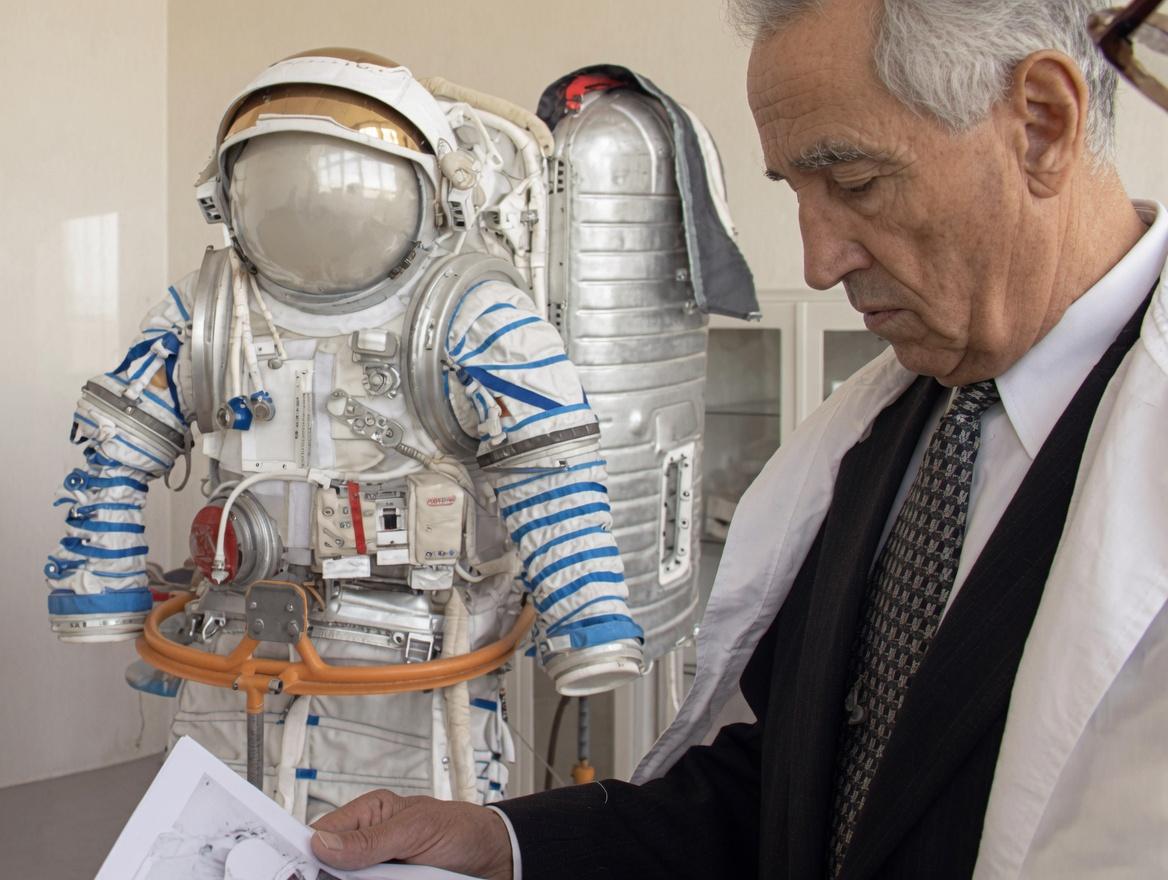
In Zhukovsky, Moscow Region, at Lomonosov Street, building 10, a memorial plaque was unveiled, dedicated to the 100th anniversary of the birth of Guy Severin — a scientist, designer, academician of the Russian Academy of Sciences, and Hero of Socialist Labor. His name is less known to the general public than it should be — yet we are talking about a man whose developments directly saved hundreds of lives. Severin led the direction of life support and rescue systems for aviation and cosmonautics for decades. The fate of the legendary designer is covered in the material by "Pervy Tekhnichesky".
Engineer and USSR Alpine Skiing Champion
Guy Severin was born on July 24, 1926, in the village of Chudovo, Novgorod Region. After studying at school externally — he passed his 10th-grade exams a year earlier than scheduled — he entered the Moscow Aviation Institute.
At MAI, Severin found himself not only among future engineers but also in the country's national sports team. He was seriously involved in alpine skiing, became a two-time USSR champion, and was part of the national team until the mid-1950s. According to his own recollections, after another victory at the all-Union competitions in Chimbulak, he had to choose between professional sports and aviation — the institute even postponed his diploma defense for a year.
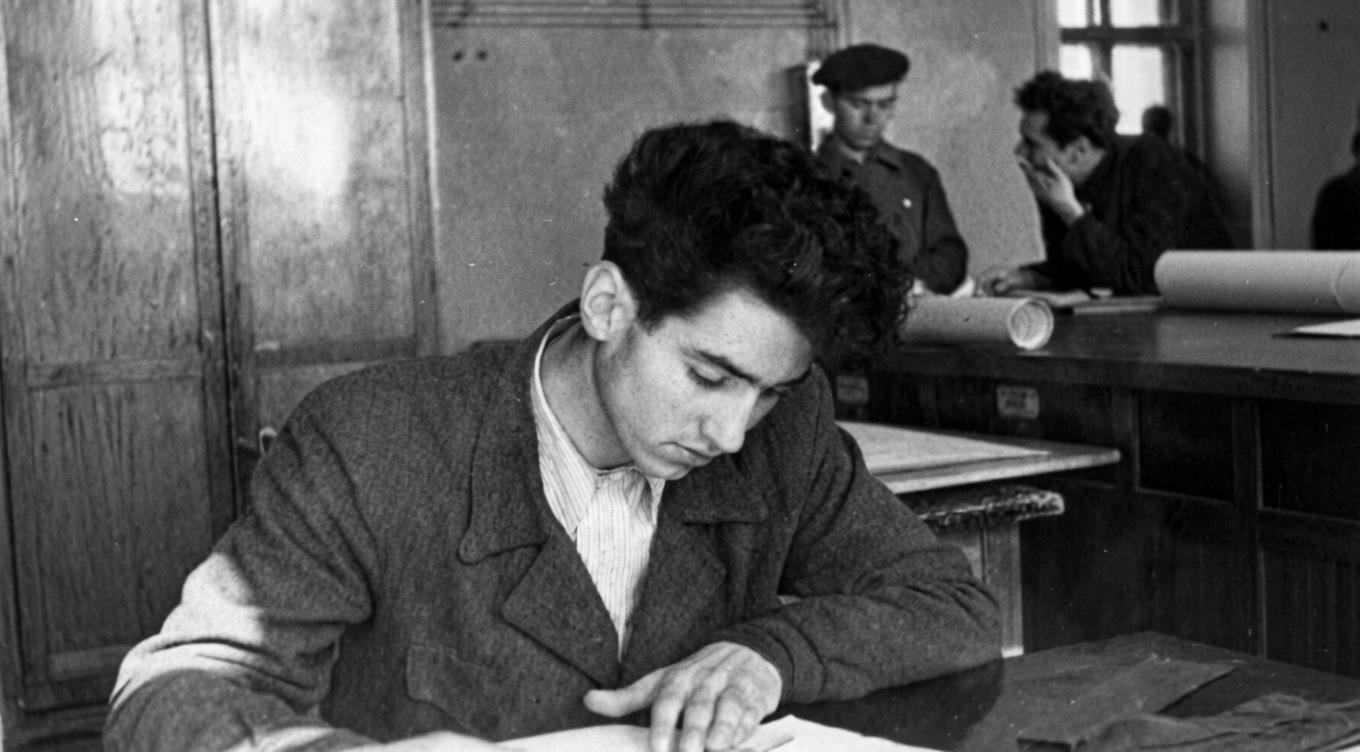
Nevertheless, Severin chose engineering, although he dreamed of becoming a test pilot. It didn't work out. He reasoned: it's better to be a decent engineer than a bad test pilot. In 1949, Severin graduated from MAI and secured an assignment to the Flight Research Institute (LII) in Zhukovsky, where he worked for the next 17 years — initially dealing with aircraft aerodynamics and in-flight refueling systems.
A Problem No One Else Could Solve
By the early 1950s, jet aviation was rapidly increasing its speed and altitude. Simply abandoning the cockpit with a parachute at such speeds meant almost certain death or severe injuries from the air stream for the pilot. Severin and his colleagues at LII were tasked with figuring out how to evacuate the crew from detachable cabins at supersonic speeds — a problem for which no ready-made engineering solutions yet existed.
It was at the intersection of human biomechanics and extreme flight regimes that Severin spent the rest of his career. In parallel with the development of rescue systems, his group was engaged in testing in-flight refueling systems, which also required an understanding of how humans and technology behave at the limits of their capabilities.
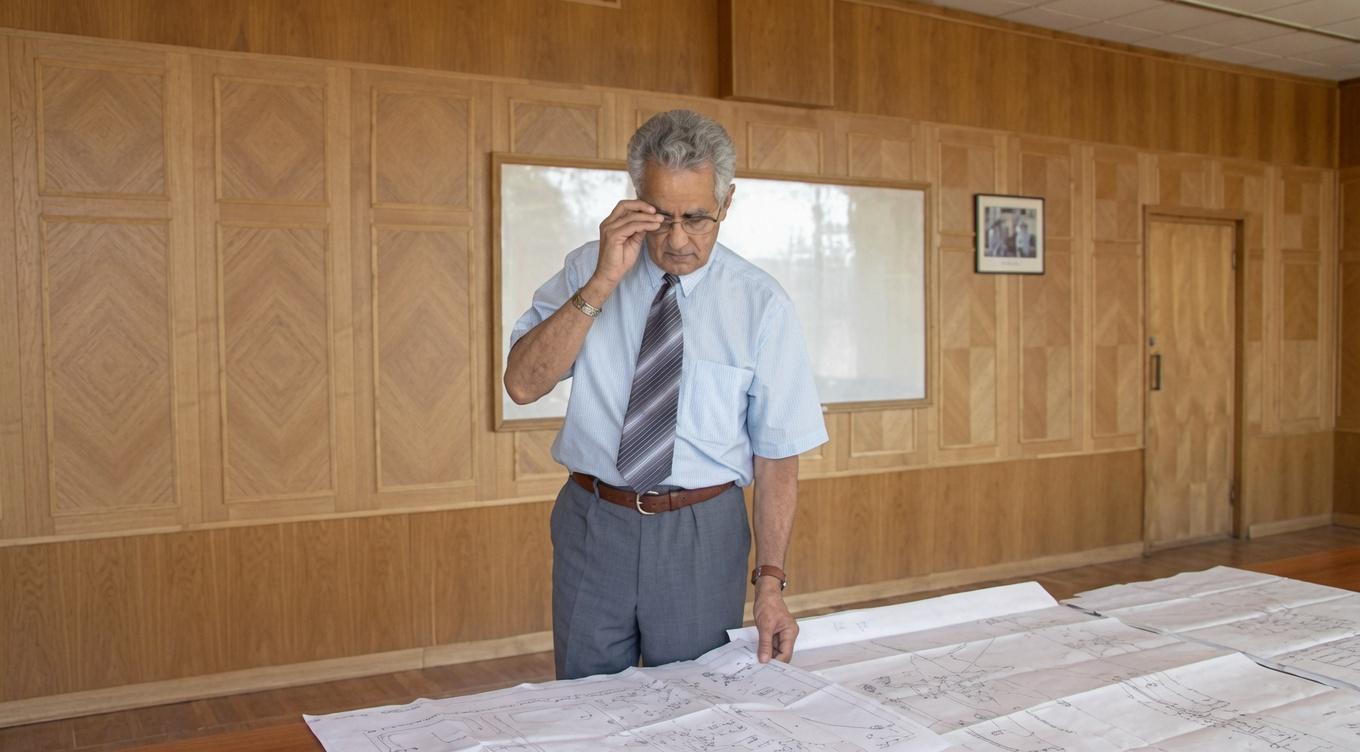
In January 1964, at the age of 38, the engineer headed Machine-Building Plant No. 918 in Tomilino, Moscow Region — an enterprise known throughout the country as NPP "Zvezda". Severin became one of the youngest chief designers of his generation, working in conjunction with Sergei Korolev and other general designers of the space and aviation industries.
Ejection Seat for Gagarin
By the time Severin was appointed, he already had serious experience. Under his leadership at LII, the principles and working prototypes of landing and ejection systems for cosmonauts of "Vostok" spacecraft were developed.
It was his team that created the ejection seat on which Yuri Gagarin left the descent module upon returning to Earth on April 12, 1961 — according to the flight program, the "Vostok" cosmonaut ejected and landed separately from the capsule by parachute.
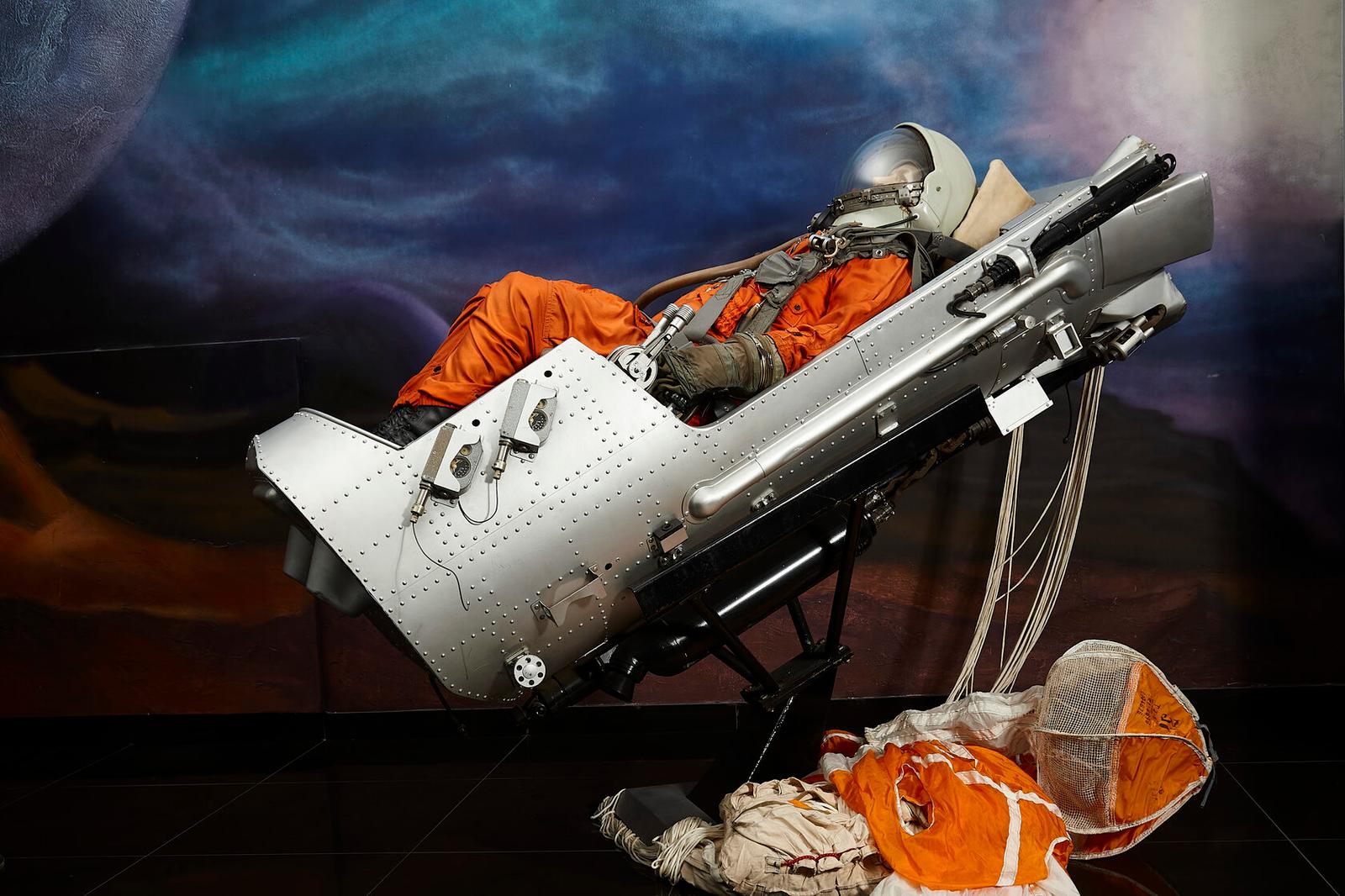
This is far from the only episode connecting Severin with the first steps of Soviet cosmonautics. His enterprise participated in the preparation of flights of "Vostok", "Voskhod", and "Soyuz" spacecraft — from seats to life support systems.
Spacewalk: Spacesuit and Airlock for Leonov
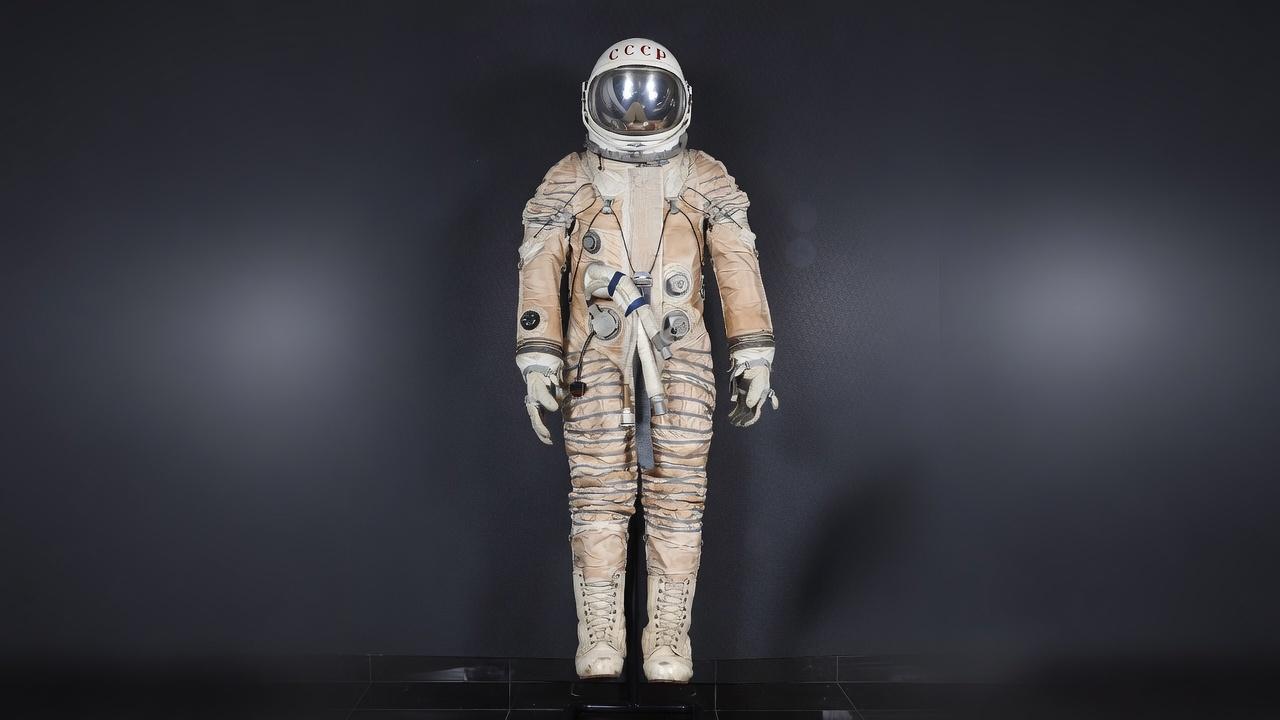
On March 18, 1965, cosmonaut Alexei Leonov made the first spacewalk in history from the "Voskhod-2" spacecraft. The spacesuit he wore and the airlock through which he exited the spacecraft were developed under Severin's leadership.
This was a task of a fundamentally new level. The spacesuit needed to be mobile enough for a person to work with their hands in a vacuum with a pressure differential, while also providing thermoregulation, breathing, and protection from cosmic radiation. The experience of this development formed the basis of subsequent generations of Soviet and Russian "Orlan" series spacesuits, which are still used for spacewalks from the International Space Station.
K-36: The Seat That Saved Over a Thousand Pilots
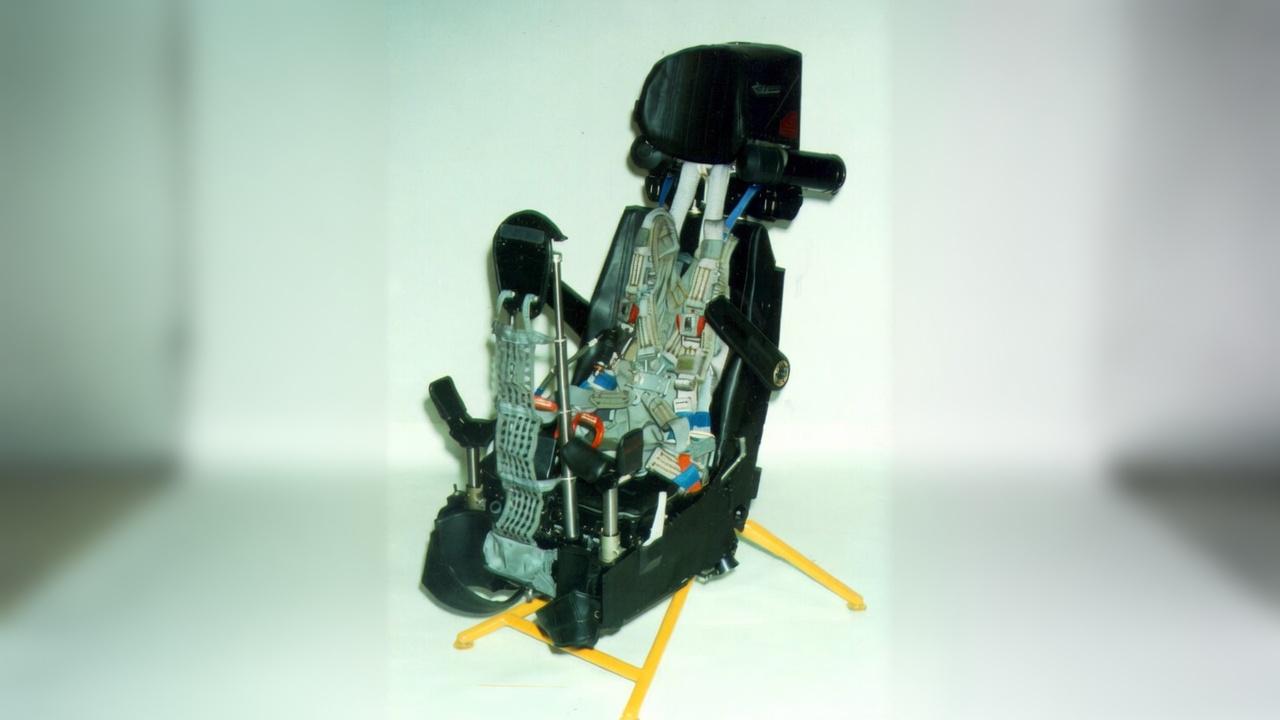
Severin's main life's work was the K-36 ejection seat — a development that specialists, including foreign experts, have recognized for many years as one of the best in the world in terms of its characteristics.
It didn't start smoothly. The first tests of the seat near Feodosia ended in tragedy — not everything in the rescue system worked as intended. Severin and his team had to analyze the causes of the failure and refine the design almost from scratch. Repeated tests were successful, and after that, the seat began to be installed on aircraft of several design bureaus — Sukhoi, Mikoyan, Yakovlev, Tupolev.
The K-36 and its modifications (K-36D, K-36DM, K-36D-3.5, K-36D-5) ensure pilot rescue in a range of altitudes from zero — that is, directly from the ground, during takeoff or landing roll — up to 30 kilometers, and at speeds up to 1400 km/h. According to various estimates, over decades of operation, this seat has saved the lives of more than a thousand military pilots on "Su" and "MiG" aircraft.
One of the most famous incidents occurred on June 15, 1999, at the Le Bourget Air Show. A Su-30MK fighter, piloted by a crew of a pilot and a navigator, touched the ground with its tail during a maneuver — it lacked literally one meter of altitude for a successful completion. The aircraft crashed onto the runway in front of thousands of spectators, but the crew managed to eject using K-36DM seats and were on their feet even before the ambulance arrived. After this incident, a queue of foreign journalists and specialists lined up at the "Zvezda" stand at the air show, and the episode itself became one of the best demonstrations of the seat's reliability — albeit the most dramatic possible.
"Buran" and a Problem No One Had a Solution For
After the disaster of the American shuttle "Challenger" in 1986, "Zvezda" developed a unique crew rescue complex for the Soviet reusable space system "Energia - Buran". It included the K-36RB ejection seat with an additional booster rocket stage, a special "Strizh" rescue spacesuit, and a life support system.
The complex was supposed to allow the crew to leave the spacecraft both at launch and during landing — that is, at all stages of flight, including the orbital insertion and descent phases. There were no analogues to such a solution in world practice at that time, and the complex successfully passed all ground and flight tests.
What Guy Severin Was Like
Colleagues and family remember Severin as a man who was strict about safety — according to stories circulating among test pilots and cosmonauts, he could seriously reprimand even an experienced cosmonaut for carelessness in handling equipment on which life depended.
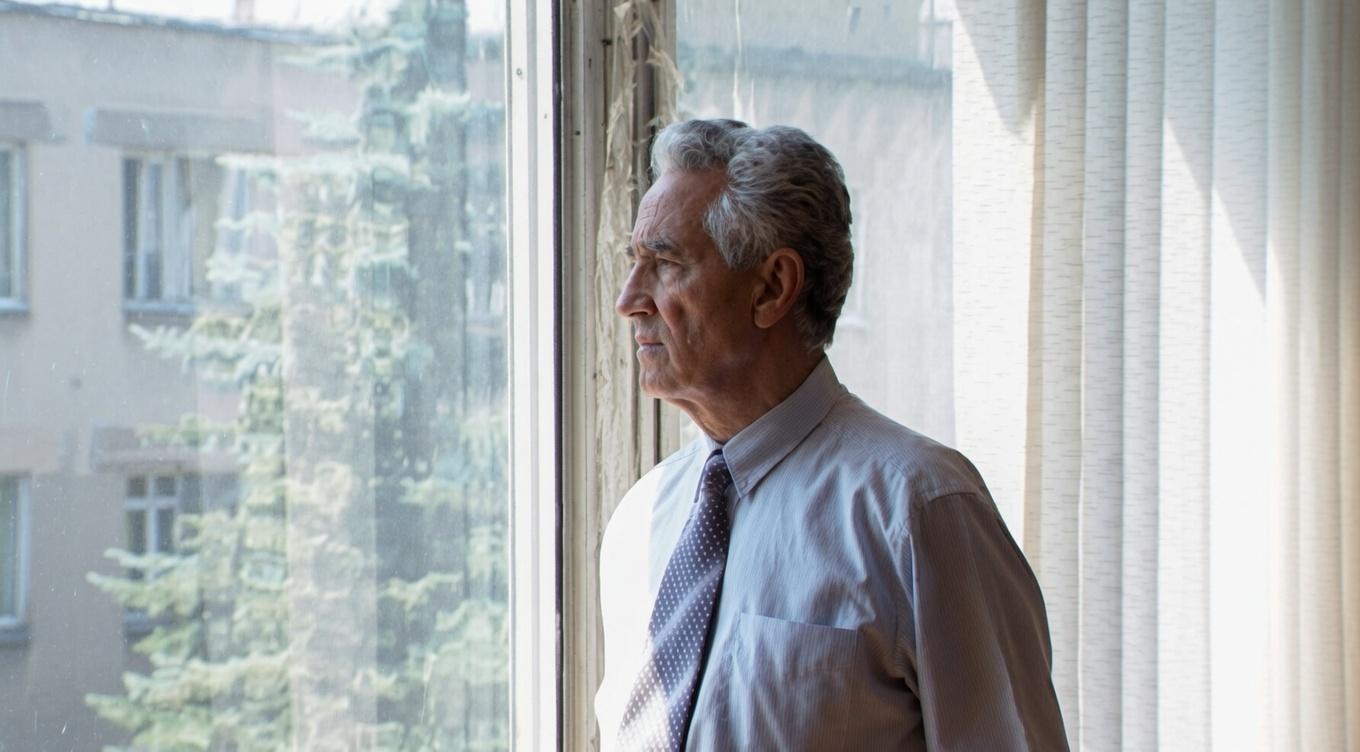
At the same time, Severin did not abandon sports, even after becoming the head of a large enterprise. On his initiative, an alpine skiing base was built on Borovsky Kurgan in the Moscow Region, where competitions were regularly held and where he himself came to ski, competing with much younger athletes. Later, the base was named after him — Guy Severin Alpine Ski Club.
Guy Ilyich was married since 1951, and he had a daughter and a son — the latter graduated from MAI and continued to work at "Zvezda", receiving the title of Honored Test Engineer of Space Technology.
Severin led NPP "Zvezda" for more than 40 years, until his death in February 2008. He was the author and co-author of over a hundred scientific papers and about seventy inventions, became a corresponding member of the USSR Academy of Sciences in 1990 and a full academician of the Russian Academy of Sciences in 2000. In 1982, he was awarded the title of Hero of Socialist Labor.
In 2009, after the designer's death, the shareholders of NPP "Zvezda" decided to name the enterprise after Academician Severin.
Read more on the topic:
Never miss our newsAdd this site to your preferred sources to see us more oftenAdd on Google