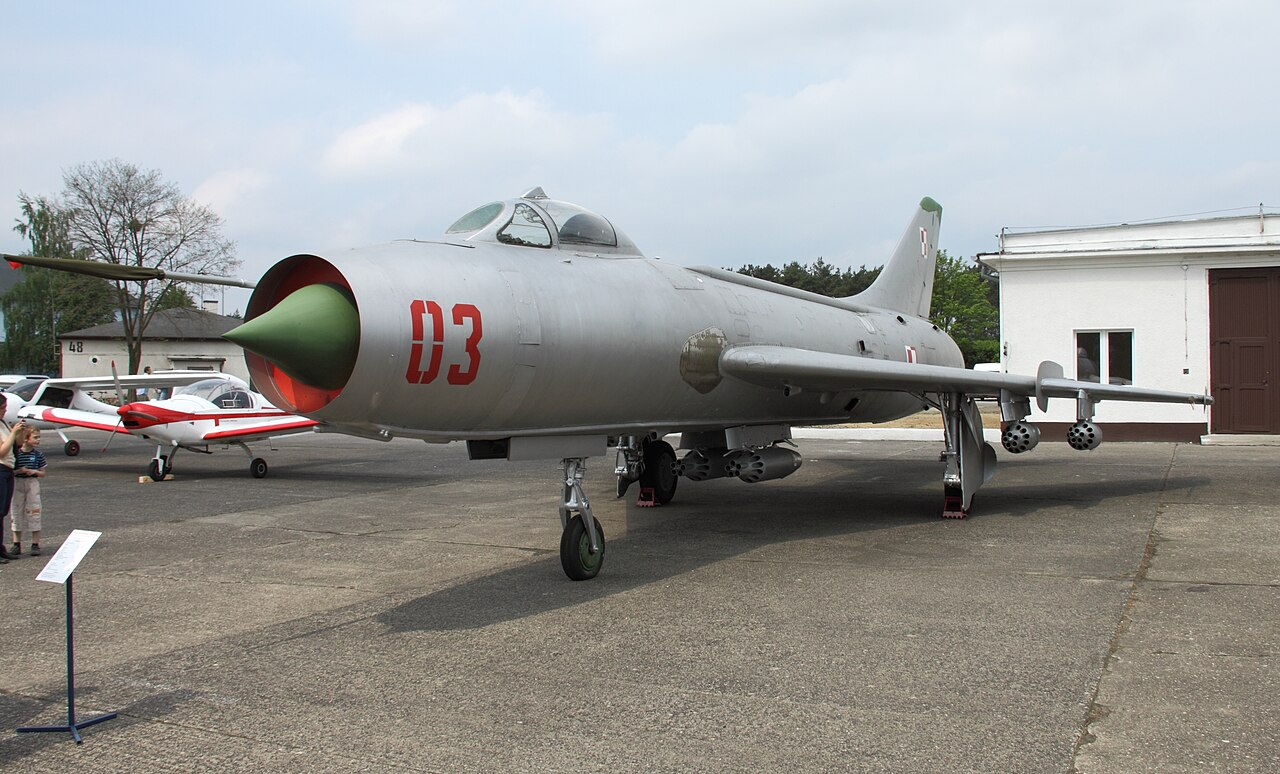
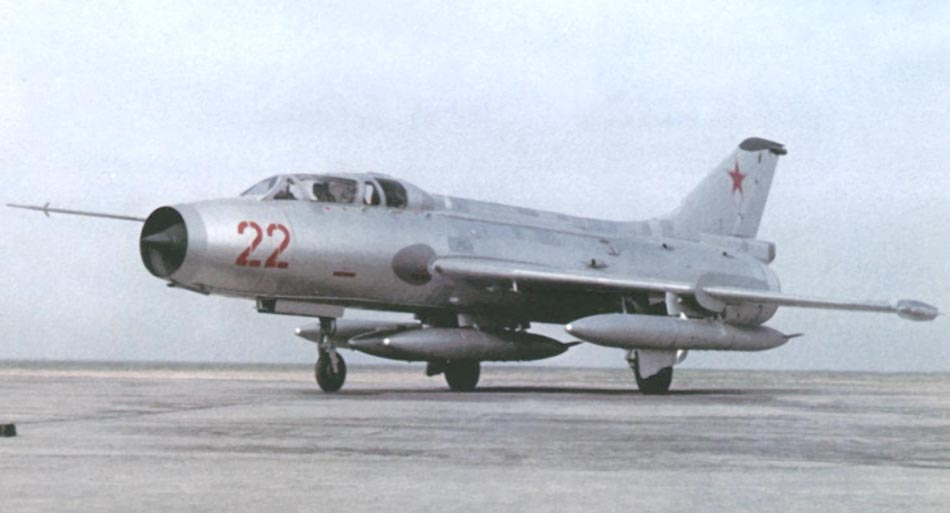
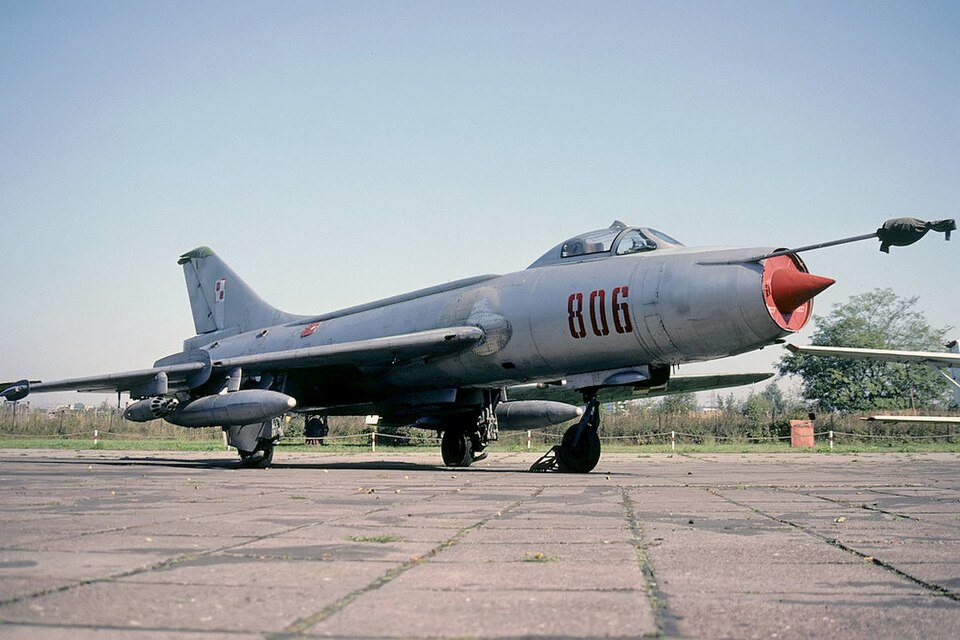
60 years ago, on October 25, 1965, flight tests began on the combat trainer modification of the Su-7B fighter-bomber, designated Su-7U. The two-seat aircraft, also known by the code name "Product C1", was designed to train a new generation of pilots to operate advanced front-line bombers. Unlike its single-seat predecessor, the Su-7U had an enlarged fuselage to accommodate a second crew member - an instructor, and was also equipped with a duplicated control set.
The creation of the two-seat version of the Su-7B was significantly delayed compared to the single-seat combat version. The development of the "sparka" (two-seat version) was initiated by a government decree back in January 1961, with the Sukhoi Design Bureau responsible for the design and serial plant No. 126 in Komsomolsk-on-Amur for the prototype manufacturing. The division of responsibility between the Design Bureau and serial production slowed down the process.
The economic management reform initiated by N.S. Khrushchev in 1957 led to the abolition of industry ministries, including the Ministry of Aviation Industry (MAP). Aviation Design Bureaus were transferred to the State Committee for Aviation Technology (GKAT), and serial plants to the Councils of National Economy (SNKh).
In 1961, the Sukhoi Design Bureau developed a preliminary design for the U-22, and in February 1962, a mock-up commission was held. However, work stalled in Komsomolsk-on-Amur. Serial plants, especially after being transferred to the jurisdiction of the SNKh, prioritized the production of serial products. Experimental production was relegated to the background, and work on this topic was virtually non-existent in 1962-1963.
The situation changed only at the end of 1963 after a new government decree. The Design Bureau resumed work on refining the layout and design of the "sparka", and in 1964, plant No. 126 began construction of three prototypes.
The first prototype arrived at the Design Bureau on September 3, 1965, and on October 25, test pilot E. K. Kukushev made the first flight on it. State tests were completed in May 1966, after which the aircraft was recommended for mass production and adoption into service under the designation Su-7U.
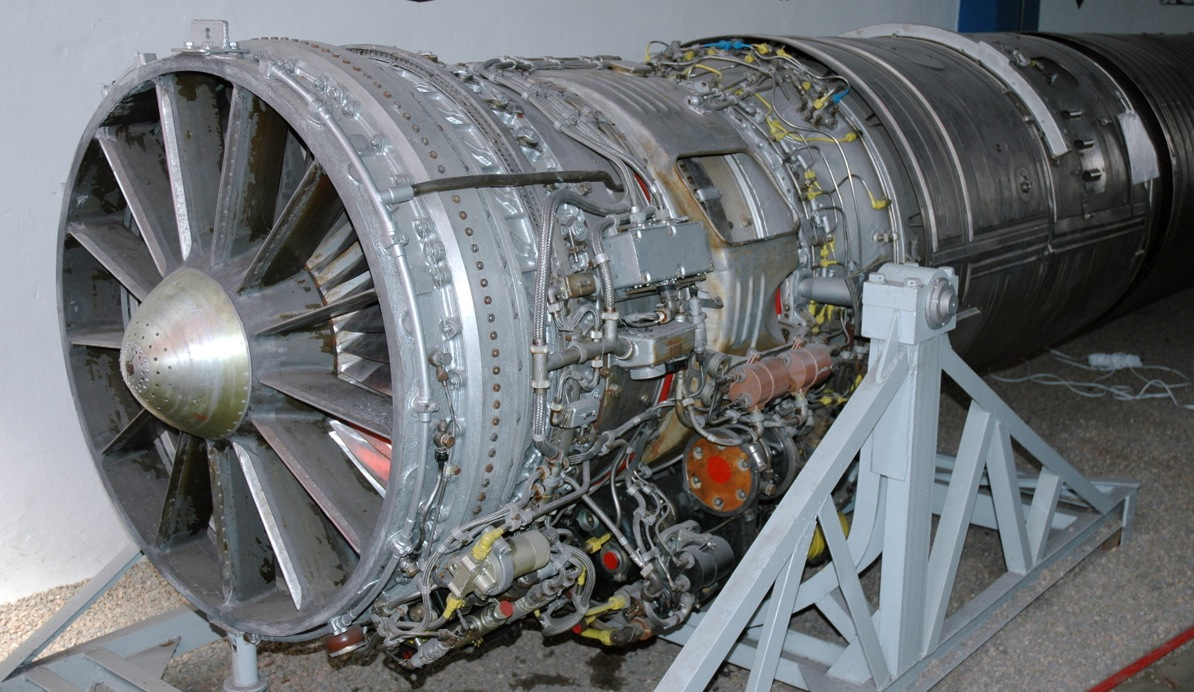
The Su-7U combat trainer fighter was equipped with an AL-7F1-200 turbojet engine. Subsequently, the AL-7F-1-250 engine, which had an increased service life, was used for this modification.
Serial production of the Su-7U began in 1966. In the same year, the first aircraft entered the Air Force. In addition, in 1967, the production of the export version, the Su-7UMK, began. A total of 365 two-seat Su-7U and Su-7UMK aircraft were built until 1971.
Su-7U (product "U-22") is a two-seat combat trainer aircraft created on the basis of the airframe and systems of serial Su-7BM and BKL fighter-bombers.
Flight performance characteristics of the Su-7U aircraft:
- Wingspan: 9.31 m.
- Length: 17.00 m.
- Height: 4.99 m.
- Wing area: 34.00 m².
- Weight: empty - 9100 kg, normal takeoff - 13510 kg, maximum takeoff - 13890 kg.
- Engine type: 1 TRD "Saturn" AL-7F1-200.
- Maximum speed: 2070 km/h.
- Cruising speed: 690 km/h.
- Practical range: 1430 km.
- Service ceiling: 17000 m.
- Crew: 1 person.
- Armament: two 30-mm NR-30 cannons with 70 rounds in the wings, maximum load - 1000 kg on four suspensions.
Earlier,www1.ru reported thatthe Russian low-noise diesel-electric submarine of project 636.3 in the Mediterranean Sea stirred up NATO countries.
Read more materials:
- "Mishkolet" updated: the first Sukhoi Superjet 100 of Yamal Airlines received a new logo
- Arctic hydrocarbon deposits contain resources worth an estimated $3.6 trillion
- India requested additional missiles from Russia for the S-400 air defense system
Never miss our newsAdd this site to your preferred sources to see us more oftenAdd on Google