The press service of "Energia" Rocket and Space Corporation spoke about the features of the return of spacecraft from space to Earth. When a spacecraft descends, even a second of deviation from the calculated time of entry into the atmosphere can lead to a shift of hundreds of kilometers.
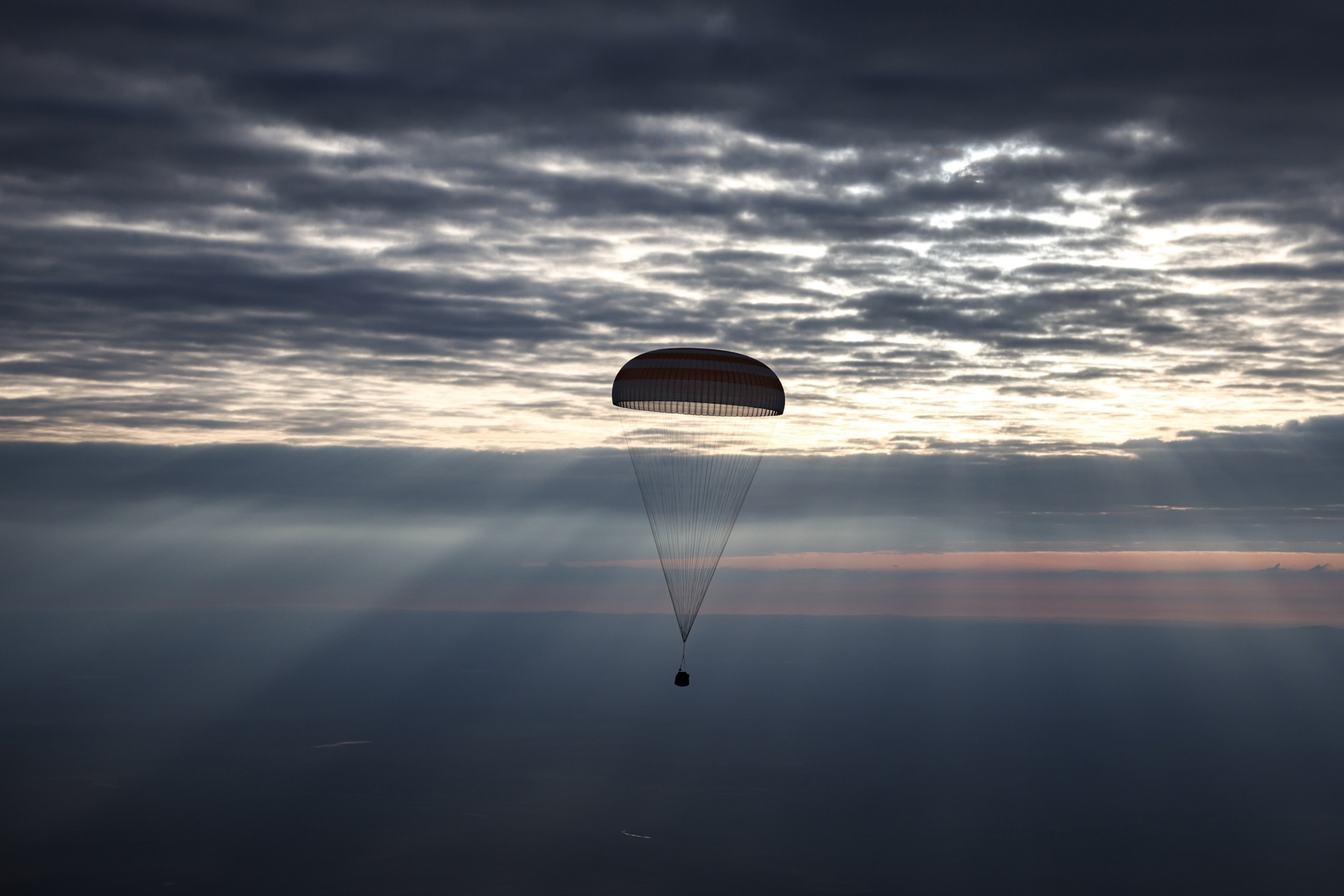
Extra-atmospheric miss is the difference between the calculated and actual time of the ship's entry into the dense layers of the atmosphere. Each second of deviation at altitude is approximately 8 kilometers of displacement, which on the Earth's surface turns into 100 kilometers.
Deviations in space occur for several reasons, since ideal conditions are almost never encountered there. For example, engines may operate with deviations from the calculated parameters, which leads to a change in the flight path. Also, solar activity affects the density of the atmosphere, which can also change the braking of the apparatus. These factors together create difficulties in the management of space flights and can lead to unpredictable results.
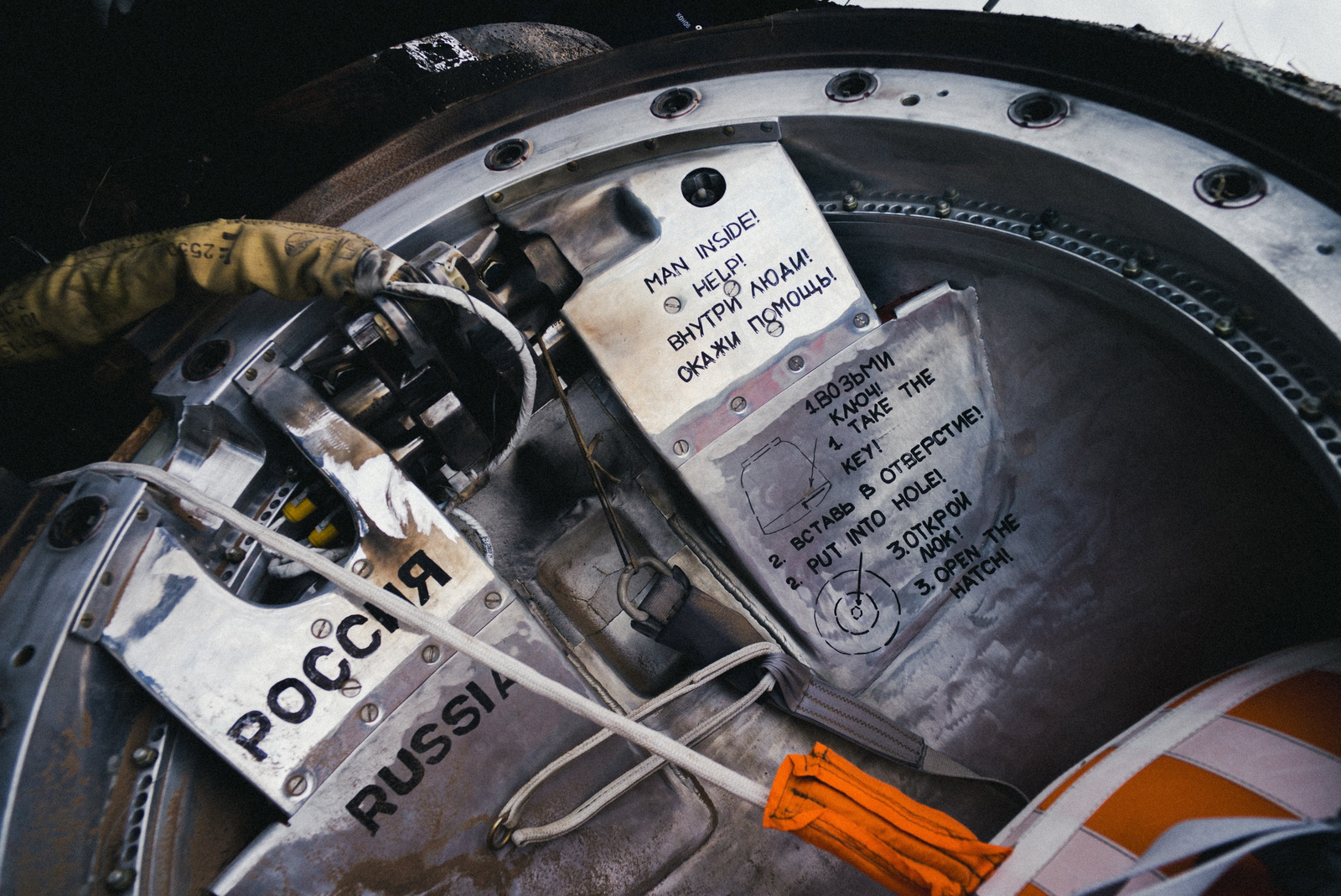
The ship's control system has two correction modes -automatic and manual.
Theautomatic mode is activated with small deviations (up to 30 seconds or about 240 kilometers). Thanks to the special shape of the descent vehicle, resembling a headlight, an aerodynamic lift force is created. By changing the angle of bank (inclination during rotation), the computer corrects the trajectory:
- at zero bank angle - zero lift and maximum displacement
- at an angle of about 45 degrees - maneuvering at an altitude of 40-50 kilometers
- at an angle of 90 degrees - maximum lift and no displacement
Manual control is activated with large deviations. The commander monitors a special display showing a graph of speed loss. His task is to use commands to the bank engines to bring the actual curve into line with the calculated one.
In the case of Soyuz MS-26, the automation worked flawlessly, and thecrew landed exactly at the calculated point.
Read more materials on the topic:
The crew of Soyuz MS-26 with cosmonauts Wagner and Ovchinin returned to Earth
From space to museum: what happens to Soyuz MS-26 after returning to Earth
Never miss our newsAdd this site to your preferred sources to see us more oftenAdd on Google

















