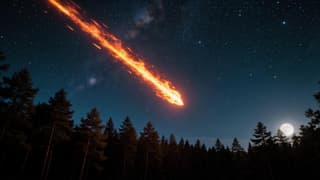
Chelyabinsk meteorite may fall again: tracking systems do not see dangerous asteroids, warned Novosibirsk State University
Celestial bodies up to 20 meters in size are difficult to detect before entering the atmosphere
Celestial bodies up to 20 meters in size are difficult to detect before entering the atmosphere
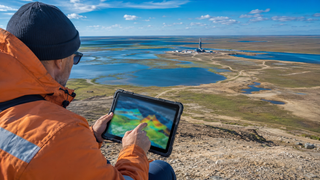
With the help of the new methodology, promising areas have already been identified in the Yamal-Nenets Autonomous Okrug
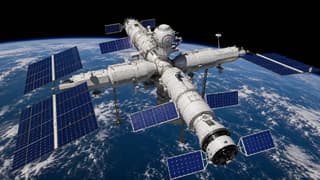
The experiment was proposed by the FMBA of Russia
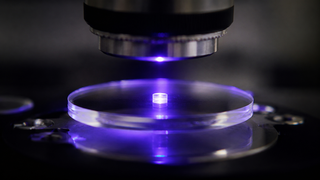
The tiny emitter operates at room temperature and could form the basis of new sensors, photonic chips, and communication systems
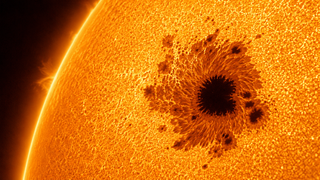
Region 4478 becomes the second largest in a decade, with first plasma ejections expected as early as Friday night
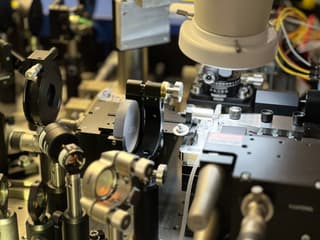
The development opens up possibilities for creating photonic computers, ultra-precise sensors, and new diagnostic systems
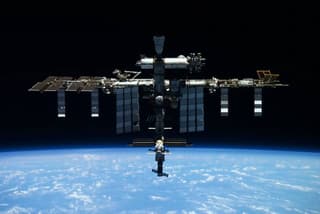
The engines of the "Progress MS-34" cargo ship increased the orbit of the "space home" to 419.89 km
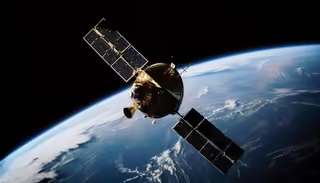
The thickness of structural elements, only 15 microns, allows for reducing the mass of spacecraft
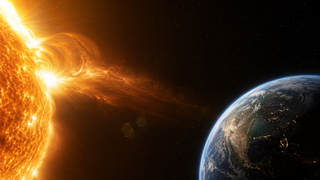
A G3 level is predicted, which could be the most significant since March
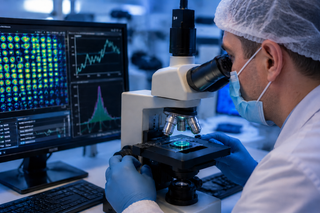
New system learns to "assemble" nanostructures for specific applications - from VR to medicine
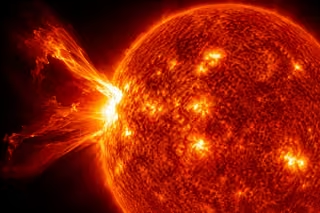
Scientists are investigating whether it was accompanied by a plasma ejection
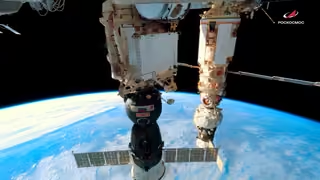
NASA and Roscosmos agreed, the station will be scuttled
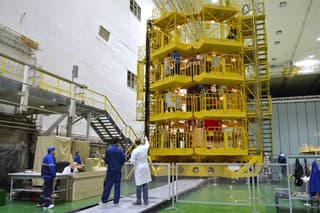
The launch of the crewed mission to the ISS is scheduled for July 14 and will be a key event of the summer

Particles of cosmic objects fall on the planet every year - about 50 tons of them