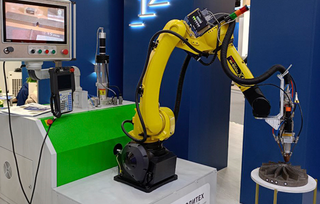
Aircraft parts to be restored on-site: mobile laser cladding unit created at Polytechnic University
The "Kochevnik" complex with a robotic manipulator is suitable for repairing turbines and gas engines
The "Kochevnik" complex with a robotic manipulator is suitable for repairing turbines and gas engines
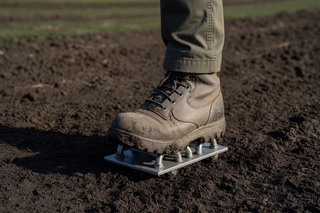
The device absorbs explosion energy and reduces the severity of a possible injury
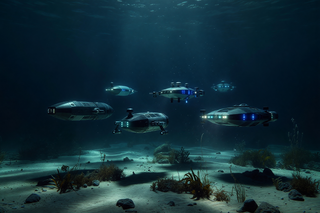
Small-class autonomous underwater vehicles weighing 50 to 300 kg will form the basis for monitoring underwater infrastructure
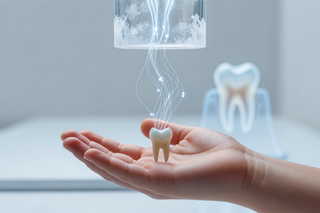
Biomaterial from children's incisors will be frozen for future transplantation
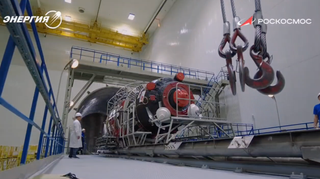
Sergey Teteryatnikov and Arutyun Kiviran Completed Four Docking Scenarios Each

Flashes were left by Comet Swift-Tuttle
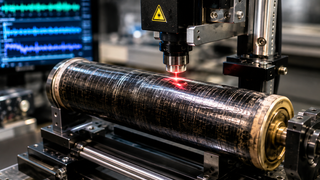
The device will be able to digitize fragile wax cylinders from the 19th-20th centuries without damaging their surface
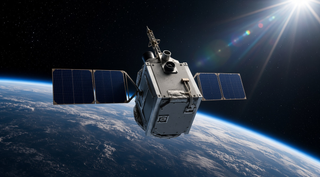
The main task was to check the operation of the spacecraft's orientation and stabilization system
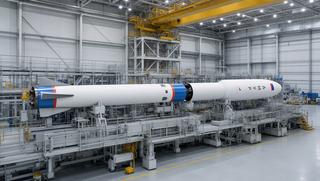
The rocket is expected to return to Earth, like Elon Musk's Falcon 9 landing stages

Roscosmos and Yandex Weather will broadcast from St. Petersburg
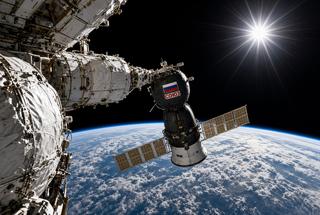
Dmitry Petelin and Konstantin Borisov completed a full Soyuz flight scenario
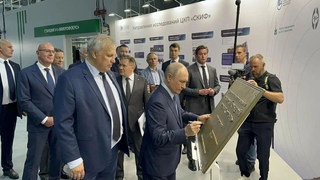
The world's fourth "4+" generation synchrotron can detect malicious micro-equipment in devices that antivirus software cannot detect
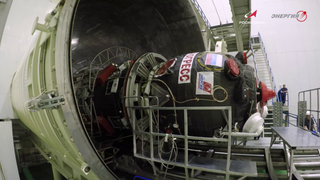
The spacecraft was tested for the airtightness of its compartments and pipelines
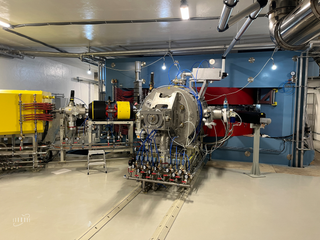
The device first accelerated krypton ions to 2.124 MeV per nucleon and is expected to replace some applied tasks of older FLNR systems