Translated with AI from the Russian original.
UrFU scientists took ordinary cheese – cheddar and white mold cheese – and turned it into a functional product with added benefits. They introduced antioxidants – substances that help the body fight oxidative stress. The work took more than four years. The recipe and technologies have already been patented, and the research was supported by the Russian Science Foundation and the Russian Ministry of Education and Science.
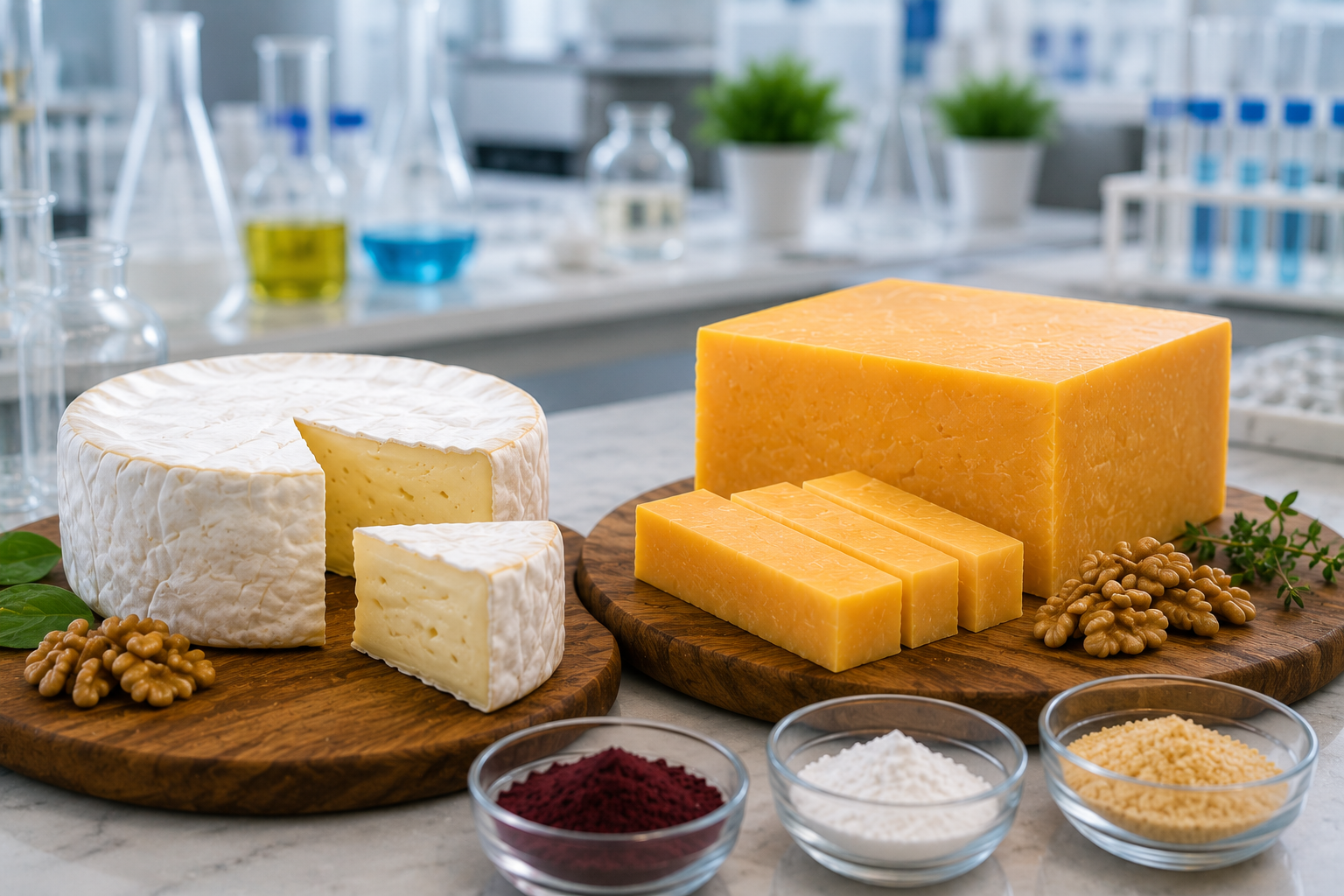
Astaxanthin, resveratrol, and puerarin – substances with antioxidant properties – were added to the cheese. According to Elena Kovaleva, the research leader, after this, the product became three to five times richer in antioxidants. In addition, during ripening, the composition of proteins and amino acids improved, making the cheese more balanced in nutritional properties. According to scientists, 20–40 grams of such cheese per day is enough to get the daily norm of calcium and antioxidants.
Scientists explain the interest in such products by the fact that oxidative stress is now associated with many common diseases – from heart and vascular problems to type 2 diabetes, age-related brain disorders, and accelerated aging of the body.
Oxidation processes constantly occur in the human body, during which so-called free radicals are formed. Usually, the body can neutralize them itself. But due to chronic stress, poor ecology, improper nutrition, ultraviolet radiation, high loads, or age, this defense system may work worse. Then there are too many free radicals, and oxidative stress occurs.
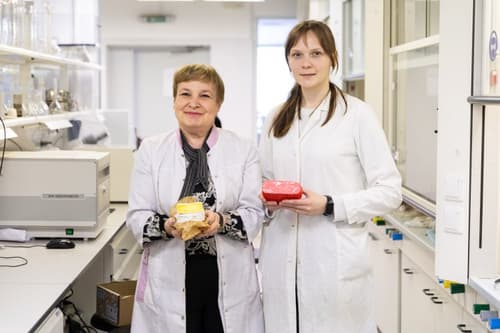
Researchers obtain beneficial substances from plants using "green" methods, without aggressive chemicals. But simply adding antioxidants to a product is not enough: they need to be preserved and delivered to the body in a working form. For this, UrFU uses nanogels, nanoemulsions, and encapsulation so that the compounds do not break down in the stomach and intestines.
Read more on the topic:
Never miss our newsAdd this site to your preferred sources to see us more oftenAdd on Google

















