Scientists from Tambov State Technical University have developed a new super-durable composite material for parts that are constantly subjected to high loads. The development is planned for use in industry, robotics, and VR platforms.
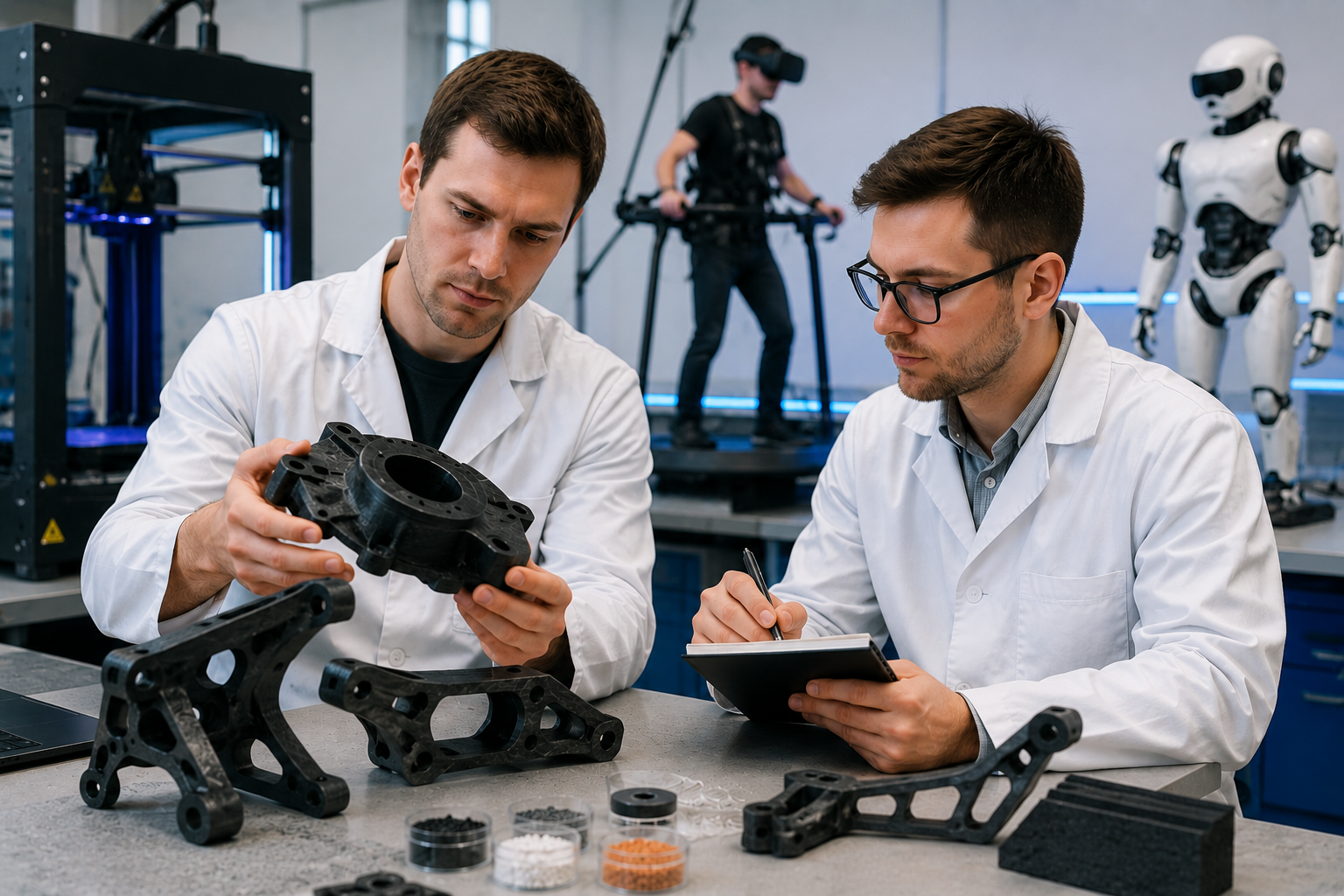
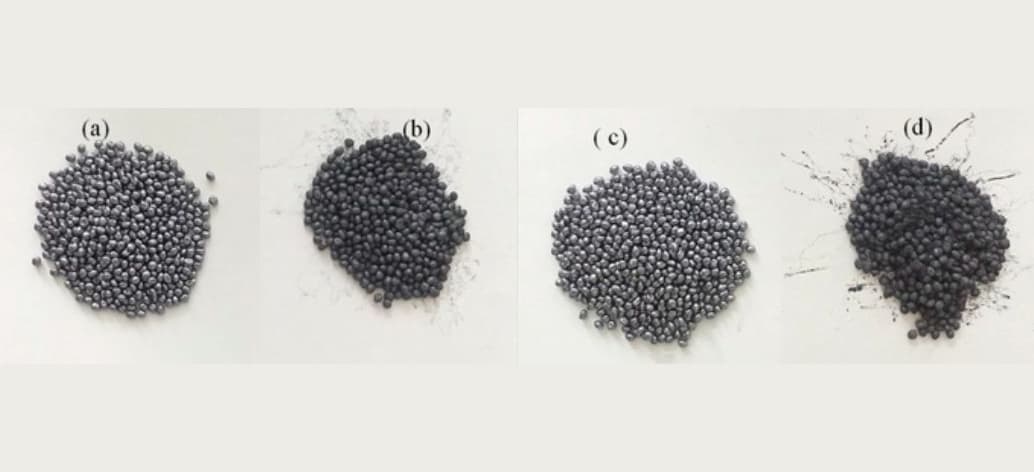
The main feature is a special method of material processing. While components are usually just mixed, here they are additionally treated with powerful mechanical loads. Thanks to this, particles connect better with each other, and the material itself becomes more durable.
Tests showed that the new composite became 20% stronger. Also, parts made from it wear less during friction. In addition, the composite better withstands high temperatures, so it can be used in aviation, heavy engineering, robotics, and the space industry.
The development is especially important for omnidirectional VR platforms — these are special simulators for walking in virtual reality. A person stands on such a platform in a VR helmet, can walk forward, backward, sideways, and turn, and in the virtual world, it looks as if they are actually moving through space.
Inside such systems, there are many parts that constantly rub, slide, withstand human weight, and operate under load. Therefore, they need strong and wear-resistant materials. The new composite is designed precisely for such conditions: it should reduce friction, withstand loads longer, and help parts wear less.
According to the developers, the technology remains cost-effective: the desired properties are achieved even with a small addition of molybdenum disulfide — only 0.5–3% of the composition. Scientists believe that such a development can help abandon the purchase of imported wear-resistant polymers.
Read more on the topic:
- Russia's Largest "Smart" Bank of Polymer Recipes with AI Created by Volgograd State Technical University and NSU Scientists
- Chemists of KBSU Simplified the Production of Ultra-Strong Polymer for Aviation and Electronics
- AI to be Taught to Create Future Materials from Palladium: Project Launched by Nornickel and RAS
Never miss our newsAdd this site to your preferred sources to see us more oftenAdd on Google

















