Translated with AI from the Russian original.
Stable quality of welded joints and high seam precision have been achieved at the Tver Carriage Works, part of the TMH holding. The enterprise's technologists integrated robotic plasma spot welding complexes into the assembly line for fasteners and enhanced multi-stage control at all stages of work.
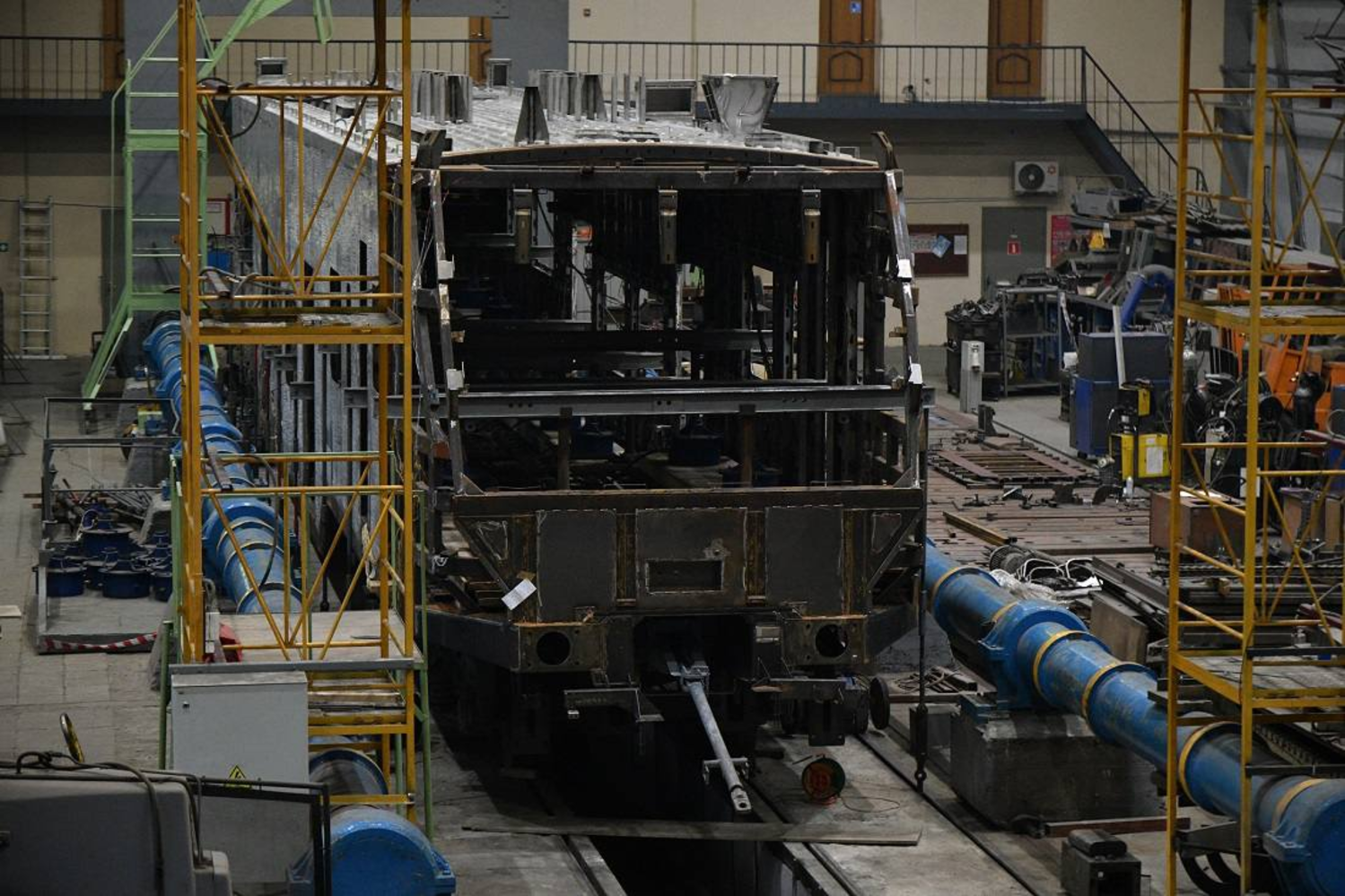
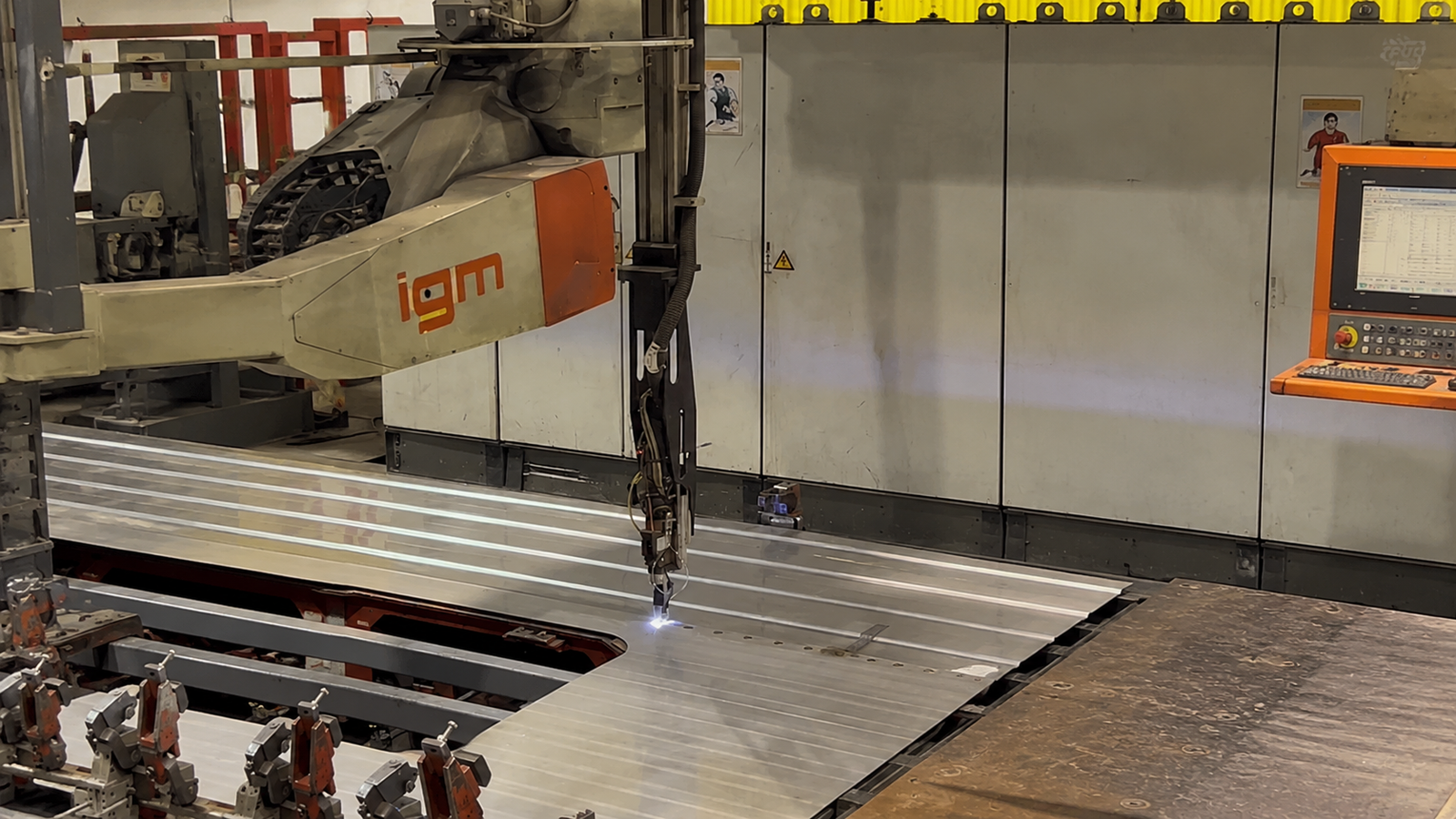
The new approach is based on a combination of automation and manual finishing. A direct-acting unit is used for welding critical components: a robot positions the torch with micron precision, and an electric arc in the plasma forms the joint without overheating adjacent areas. Localized heating preserves the geometry of the parts, and the seam is neat and ready for operation without additional processing.
Preparation for work begins with test samples. Welding complex specialists check the modes, compare parameters with technical documentation, and record the results in the registration log. Only after a positive conclusion from the operator, controller, and master does the line receive approval for serial production.
The final stage is the examination of finished structures. TVZ technical control experts scan the joint areas with special equipment that detects microcracks and hidden detachments. This algorithm allows defects to be screened out before the product is transferred to subsequent workshops.
The advantages of plasma spot welding are speed and repeatability of results. The robotic circuit eliminates the human factor at the point formation stage, and multi-level verification ensures that each joint complies with the drawings. For carriage building, this means increased reliability of load-bearing components and reduced repair costs during operation.
Read more on the topic:
- Legend Rises from Rust: Veteran Locomotive TEP10-314 Leads Trains Again After 20 Years of Oblivion
- 450 km/h and Three Consecutive Brakings: Brakes for HSR Tested to the Limit in Shcherbinka
- Ruzkhimmash Engineers Rewrote the Rules for Strength of Flatcar Wagons
Never miss our newsAdd this site to your preferred sources to see us more oftenAdd on Google

















