Translated with AI from the Russian original.
On the night of January 20, 2026, it was reported that the ISS crew, due to a powerful X-class solar flare—the strongest in the last 25 years—activated the Safe Haven radiation safety protocol and took refuge in the Russian Zvezda module. This was stated by SpaceWeatherNews founder Ben Davidson on social network X (formerly Twitter, blocked in Russia). However, Roscosmos denied this information, emphasizing that geomagnetic disturbances did not affect the station's operation, the crew is working as usual, and there is no threat to the health of the cosmonauts or the safety of the ISS.
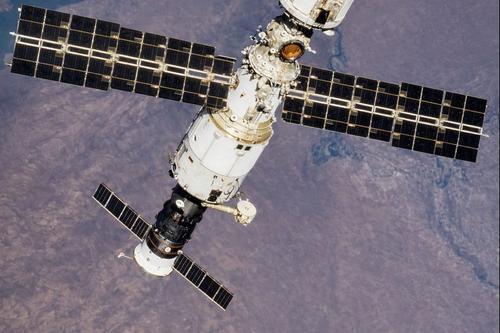
Roscosmos stated that increased geomagnetic disturbances did not affect the operation of the International Space Station. The Russian crew continues to perform the flight mission as usual. There is no threat to the health of the cosmonauts or the safety of the station. Previous information to the contrary is not true.
The Zvezda module is traditionally used as a refuge in the event of a threat of increased radiation. Its design provides maximum protection: the aluminum walls are reinforced with internal systems and are also surrounded by tanks of water and fuel, which additionally shield the crew from ionizing radiation.
Earlier, "First Technical" reported that an unprecedented increase in the flow of solar protons in near-Earth space was recorded—the highest in the last ten years.
Read more materials on the topic:
- Roscosmos will discuss with NASA the timing of deorbiting the International Space Station
- The instability of geopolymer foams has been eliminated—scientists from KNRTU-KAI presented a solution for aircraft construction
- The newest air intake with laminar flow for the PD-14 engine was developed by Russian engineers from VASO
Never miss our newsAdd this site to your preferred sources to see us more oftenAdd on Google

















