Translated with AI from the Russian original.
The Ural Civil Aviation Plant (UZGA) is already preparing the first prototype of the new light aircraft TVRS-44 "Ladoga". This was reported by the Ministry of Industry and Trade.
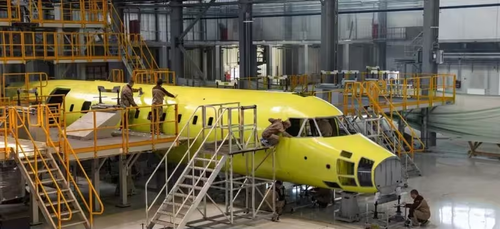
The department did not name the timing of the first test flight.
UZGA noted that the TVRS-44 "Ladoga" turboprop aircraft is being developed for local airlines with 44 passenger seats, taking into account the specifics of operation in remote regions with harsh climatic conditions.
The Governor of the Sverdlovsk Region, Denis Pasler, noted that the regional authorities are focused on comprehensive support for UZGA, including tax incentives and the creation of ready-made industrial infrastructure.
We support all projects of the key enterprise in the aircraft industry in Russia. The progress of the Ural plant is obvious.
The plant is creating "Ladoga" on order of the Ministry of Industry and Trade of Russia to replace the outdated fleet of Soviet small-sized aircraft An-24/26 and Yak-40.
The aircraft will help improve the transport accessibility of settlements in the Far North, Siberia and the Far East.
As a reminder, the Comprehensive Program for the Development of Civil Aviation states that Russia will build105 TVRS-44 "Ladoga" aircraft by 2030.
Read also materials on the topic:
- UTS-800 Aircraft: UZGA Demonstrated Future Aviation Capabilities
- Rosaviatsiya revealed the timing of certification of new Russian aircraft "Baikal", "Ladoga" and "Osvei"
- Revival of Aviation: New production of the TVRS-44 "Ladoga" wing box launched in Smolensk
Never miss our newsAdd this site to your preferred sources to see us more oftenAdd on Google

















