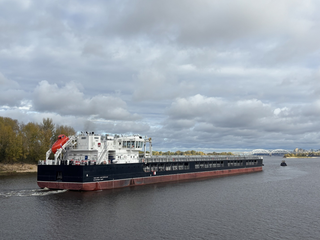
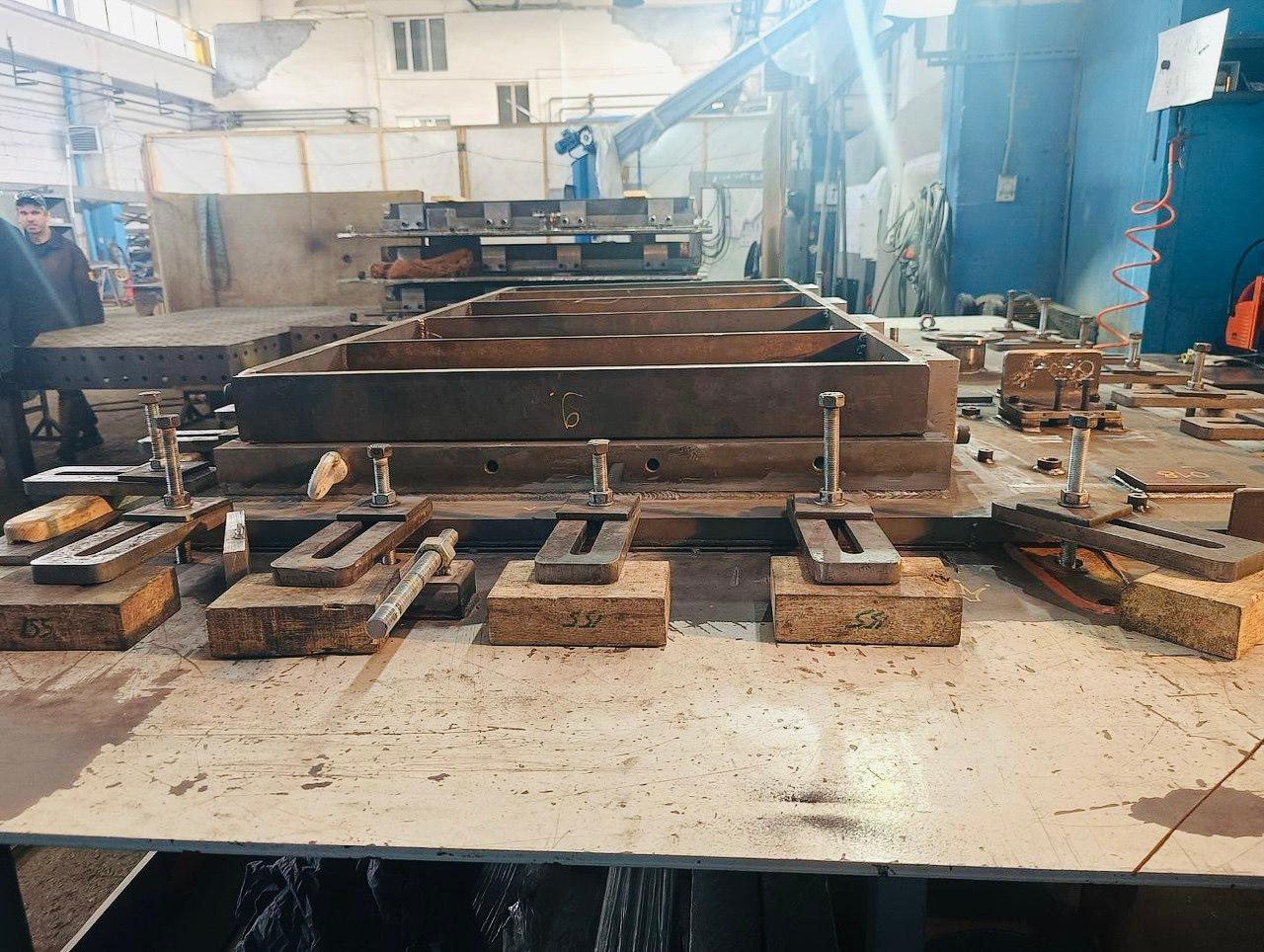
The company "Sudostroenie Sudoremont" continues serial production of waterproof and gas-tight SUNCLINKET clinket doors developed by the design bureau of SSSR LLC. The products have successfully passed certification by the Russian Maritime Register of Shipping (RMRS) and the Russian Classification Society (RCO).
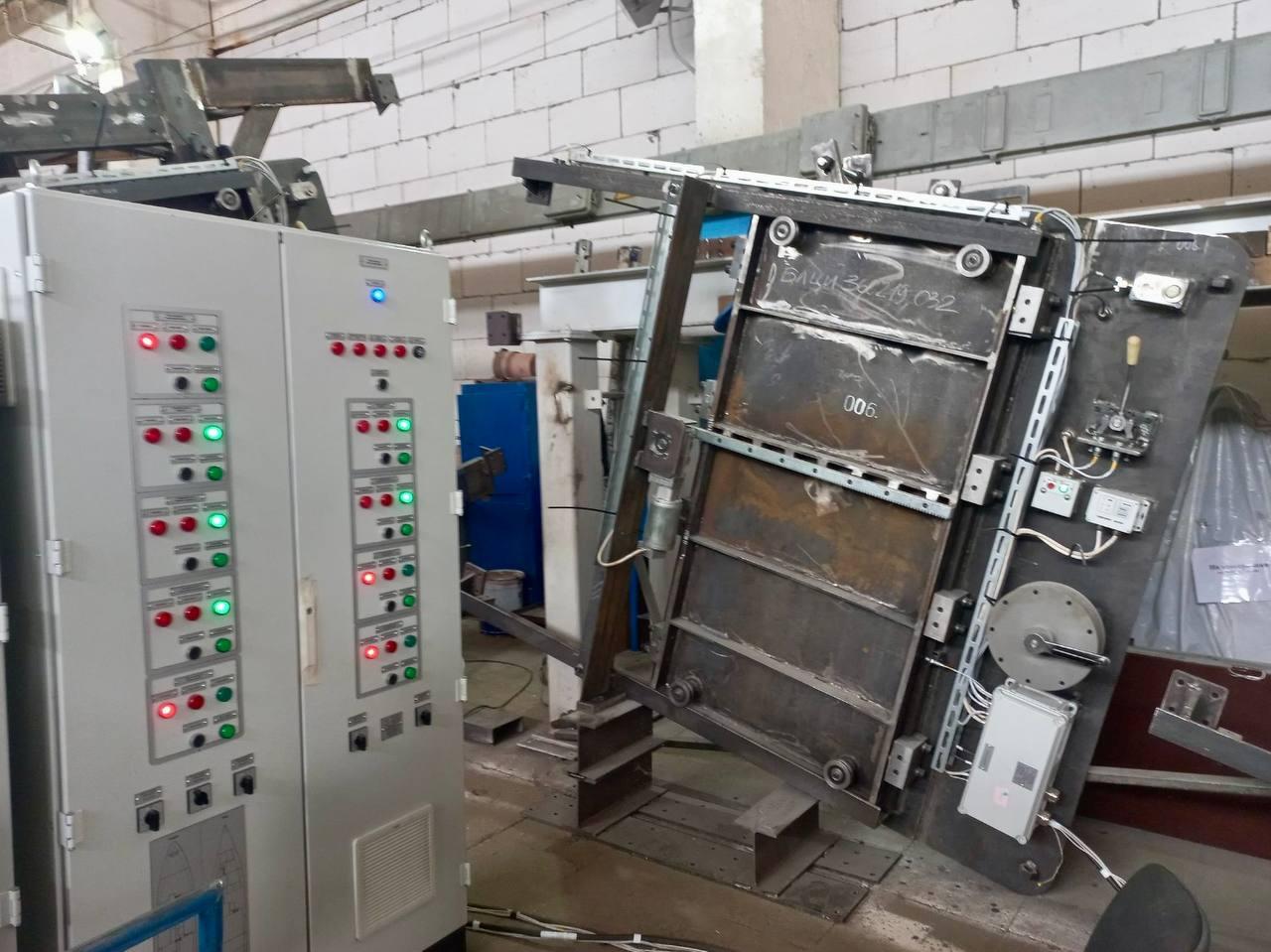
SUNCLINKET doors are electric sliding doors with horizontal closing, available in right and left versions. They are designed for operation with a list of up to 15° and a trim of up to 5°, are made of steel and can withstand pressure up to 8 mm of water column. The fire safety class of the products varies from A-0 to A-60.
They are designed for a wide range of vessels, including nuclear icebreakers and fishing trawlers. The SUNCLINKET electric clinket door is the first Russian alternative to hydraulically driven doors.
The products are equipped with a unique geared motor capable of operating under water, an emergency generator for operation with minimal mechanical effort, and a T-shaped seal for optimal alignment. The electric drive system is characterized by low noise, and the installation of doors takes a minimum of time. The service life of the products is 25 years.
Clinket doors are waterproof or gas-tight doors used in shipbuilding and ship repair, designed to ensure the tightness of ship compartments.
Read also on the topic:
Armored doors will be installed on MS-21 and SJ-100 aircraft
Four scenarios: how Atoma swing doors work
Zvezdochka engineers began printing metal parts for Russian ships
Never miss our newsAdd this site to your preferred sources to see us more oftenAdd on Google