Prime Minister Mikhail Mishustin announced at a strategic session on the development of the space industry that the adjustment of plans for the creation of the Russian Orbital Station (ROS) will soon be completed. This project should replace the ISS and become a universal platform for scientific research and testing of new technologies.
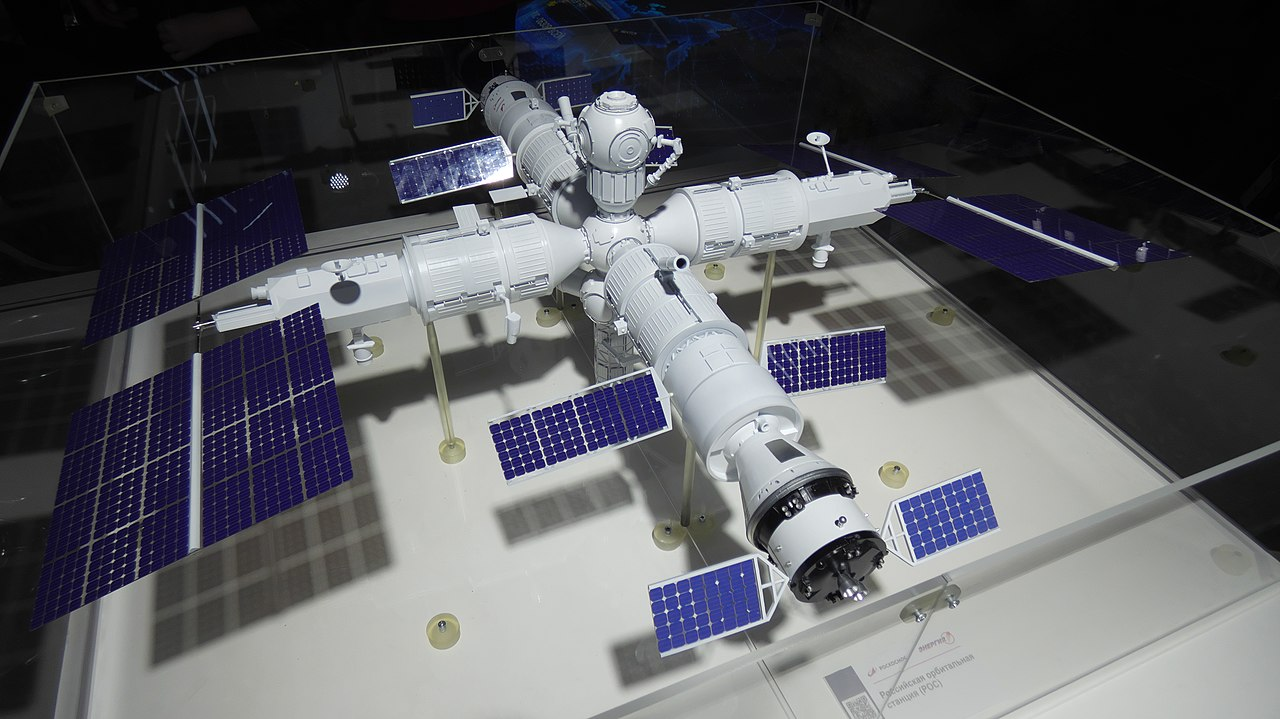
A key feature of the new station will be the ability to operate without the constant presence of astronauts. This will require the introduction of advanced automation and remote control systems. According to Mishustin, the station will be used for "unique scientific and research tasks," which implies the integration of robotics, artificial intelligence, and autonomous modules.
We expect that the station can be operated without the constant presence of humans.
The government also expects engineers to come up with non-standard solutions to reduce launch costs. Possible options include reusable rocket systems or fundamentally new technologies for launching cargo into orbit.
The revised national project on space activities will include breakthrough areas that should stimulate industrial and scientific growth. The creation of ROS will be one of the key elements of this strategy.
These may be versions of reusable complexes or fundamentally different systems with innovative properties that will radically change standard ideas about space launch technologies.
The project is being developed by RSC Energia and involves the use of modules originally intended for the ISS, with the subsequent addition of new components.
The station will consist of five modules:
- Scientific and Energy Module (NEM) - will provide power and conduct experiments.
- Universal Node Module - will become the central element for docking.
- Gateway module - for spacewalks.
- Base module - living compartments for the crew.
- Transformable module - possible expansion of functions.
The main difference between ROS and the ISS is the high-latitude orbit (96.8°). This will allow observing the entire territory of Russia, including the Arctic, which is critical for monitoring the climate and the Northern Sea Route. However, this orbit will increase the radiation load, which will require enhanced protection of equipment and crew.
Read more on the topic:
Russia Adjusts Space Orbit: New Stations, Satellite Constellations, and Fundamental Research
Secrets of the ROS Orbital Station: Russia Prepares to Become a Leader in the Space Race
Never miss our newsAdd this site to your preferred sources to see us more oftenAdd on Google