Scientists from Penza State University (PSU) have created the first multifunctional simulator in Russia for practicing skin suturing skills on various types of wounds. The device will also help to master the removal of keloid scars and the administration of intravenous injections.
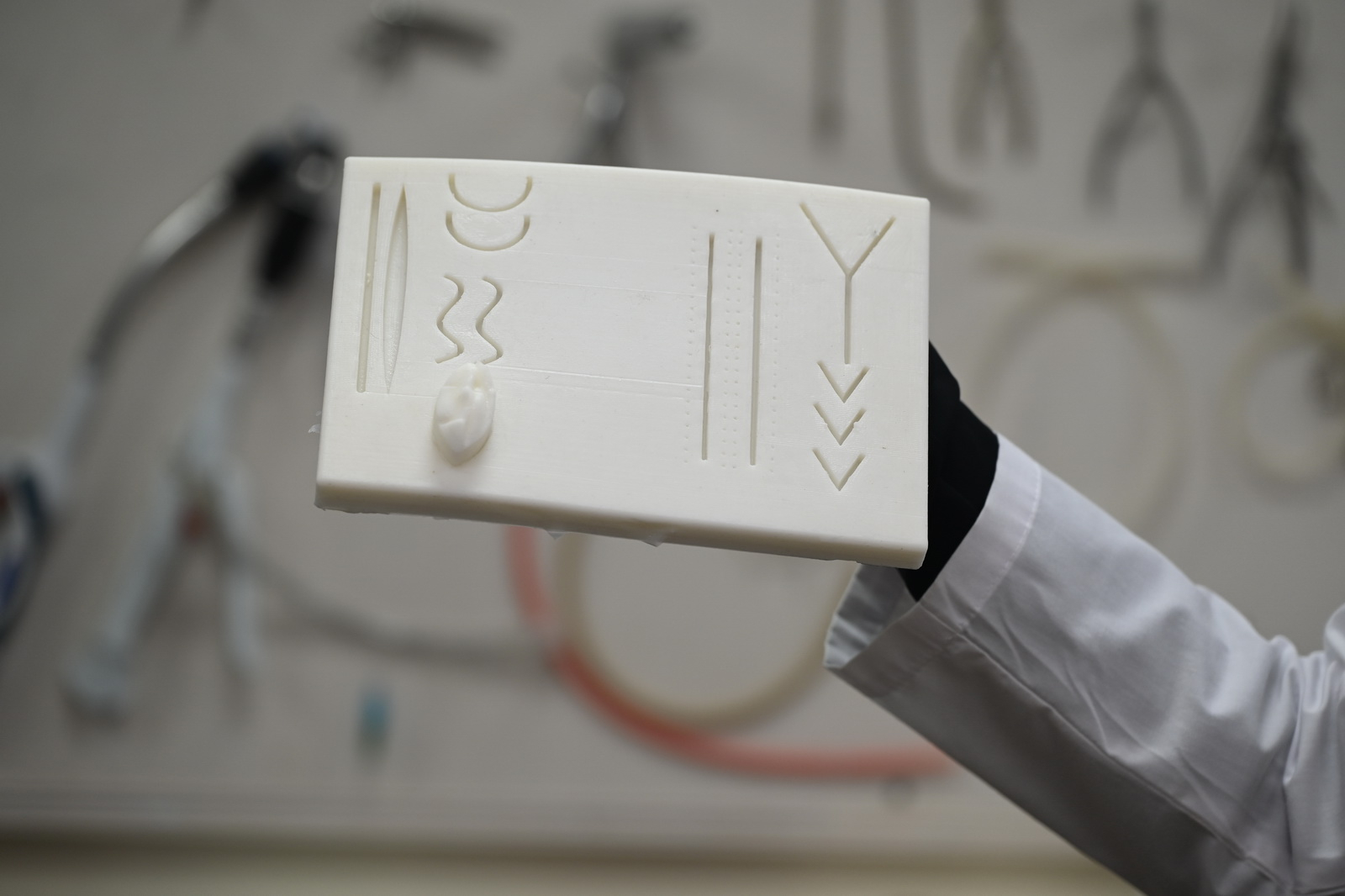
The invention has already been patented and is ready for mass production. The simulator will become an indispensable tool for medical students of all courses, resident doctors and novice surgeons.
Existing simulators on the market are usually designed for only one type of wound and have a number of disadvantages.
There are many simulators on the Russian market. But they are not very functional and have low reliability in imitating human tissues. Some simulators only allow you to tie knots or only perform intravenous punctures and injections. They are not very effective, and require considerable costs in production.
Technical characteristics of the simulator:
- Size - 25 by 15 cm
- Thickness - about 3 cm
- Material - soft silicone
- Cost - up to 1000 rubles
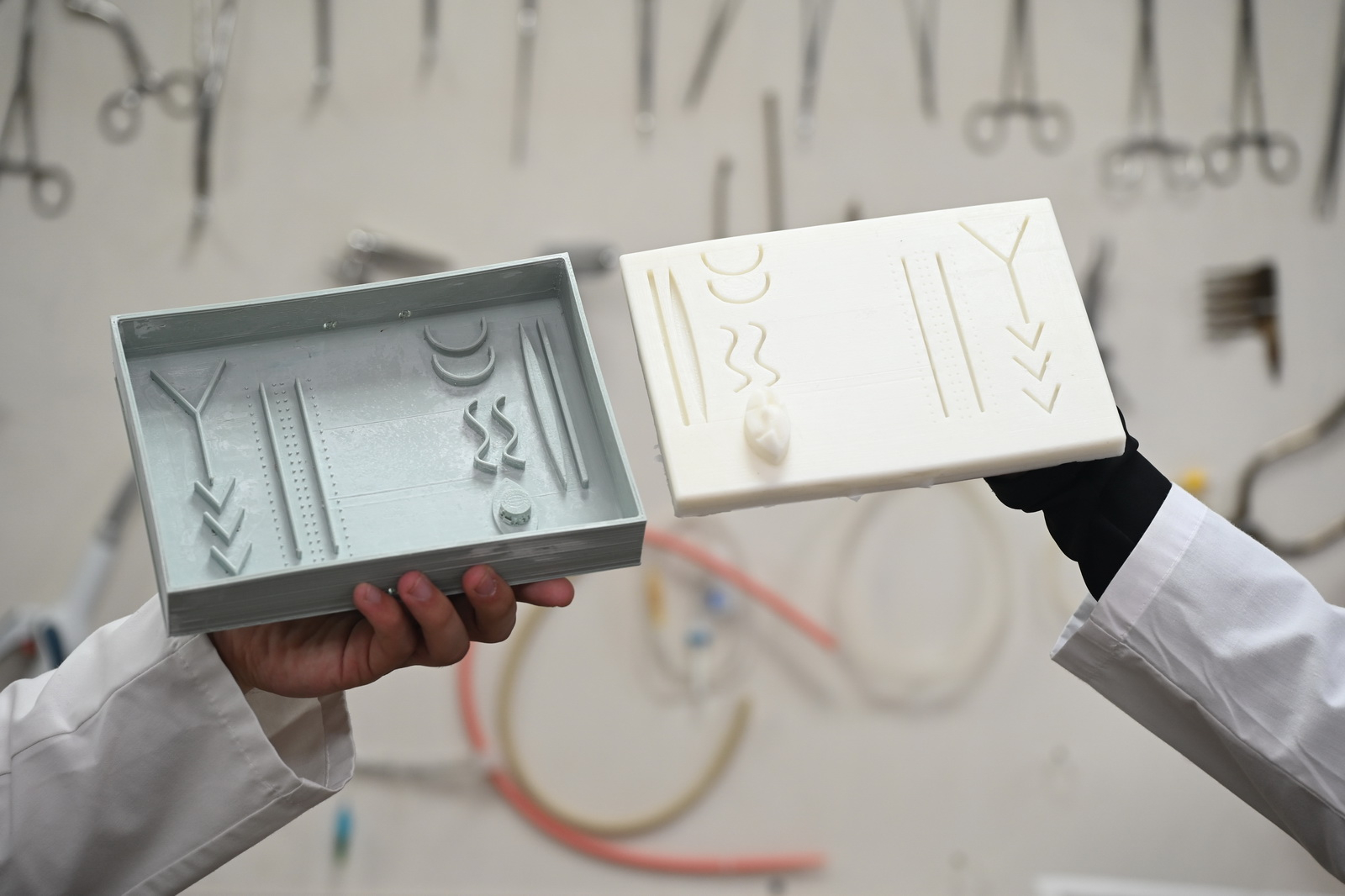
The simulator is a platform made of soft silicone, imitating human skin. There are no analogues on the Russian market. A patent was obtained for the development.
The device allows you to recreate various types of wounds: oblong with even edges without diastasis, oblong with diastasis of one centimeter, triangular wounds, combined wounds with triangular and oblong orientation, keloid scar.
Two drainage tubes (special channels for fluid outflow) pass through the thickness of the simulator, imitating veins. An important advantage is the ability to replace worn tubes with new ones or with a different diameter.
The development will significantly improve the quality of training of future surgeons and significantly reduce training costs. Currently, the research group is preparing an application for the PSU "Rector's Grants" competition, and soon Penza may begin mass production of a simulator that will help to practice skin suturing skills, remove keloid scars and perform intravenous injections.
Read more materials on the topic:
Crayfish in the service of science: biopolymers are created from shells in Novosibirsk
Scientists from NSTU have developed magnetic pulse welding for joining aluminum and steel
A robot simulator for joint restoration has been created in Russia
Never miss our newsAdd this site to your preferred sources to see us more oftenAdd on Google