Scientists from RTU MIREA have developed a method using a neurocomputer interface that helps assess whether candidates are suitable for working in Arctic expeditions. Here are the details:
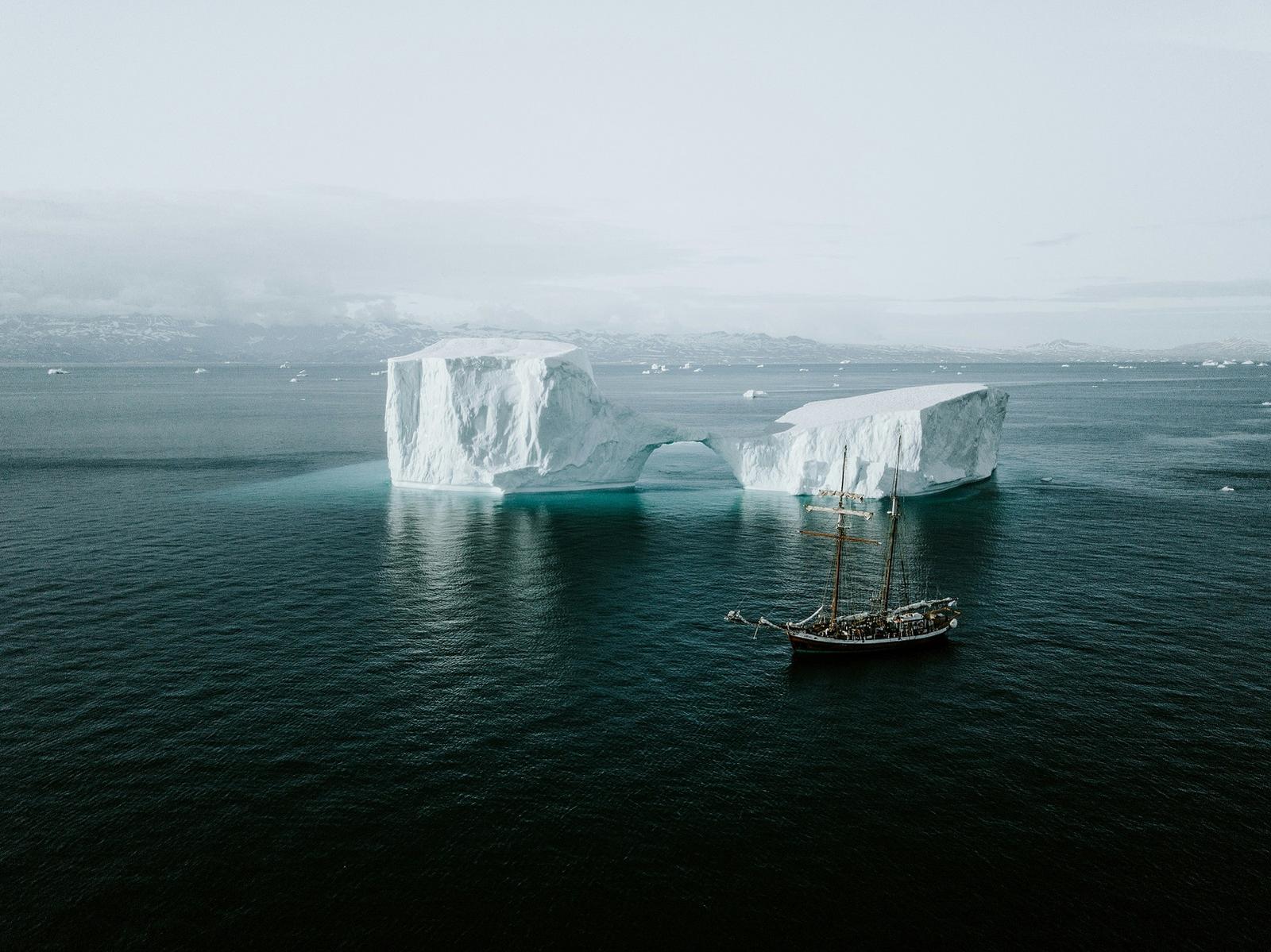
This interface is based on electroencephalography (EEG) and allows monitoring the condition and emotions of participants in Arctic expeditions, as well as assessing their ability to adapt to harsh conditions. The author of the idea, Andrey Rybnikov, a lecturer at RTU MIREA, presented the project at the "Youth Science of the North" conference in December.
In 2025, it is planned to introduce neurocomputer interfaces to monitor participants in the "Arctic Team" expeditions. These technologies will help improve safety and comfort in difficult conditions.
It is worth mentioning that neurocomputer interfaces record brain activity and convert it into useful data. Their main stages of operation are data collection, processing, and recommendation output. For example, EEG sensors record brain signals, which allows tracking the level of fatigue, stress, and attention. Artificial intelligence analyzes the signals and identifies deviations in the condition. After that, the system can suggest when a participant needs to rest or reduce the load.
Read more on the topic:
Needle Patch for Painless Vaccination Developed at RTU MIREA
RTU MIREA Plans to Send Its Own Spacecraft into Orbit
Never miss our newsAdd this site to your preferred sources to see us more oftenAdd on Google