Specialists from the electronic warfare (EW) units of the Baltic Fleet covered military facilities from drones in the Kaliningrad region during exercises. They used small-sized systems, which made it possible to prevent the detonation of explosive devices.
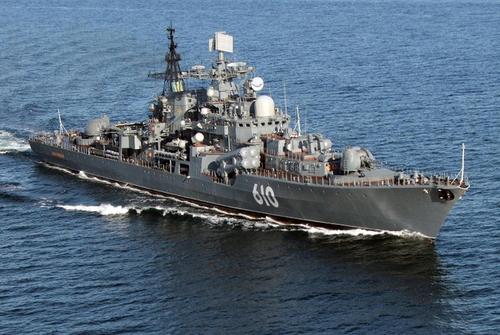
According to the exercise scenario, a simulated enemy had installed radio-controlled landmines along the route of the convoy. After the arrival of the mobile EW group in the designated area, the crews of the automated jamming stations took up positions and deployed electronic warfare systems.
Also, a mobile EW group to combat unmanned aerial vehicles used anti-drone weapons against the simulated enemy's reconnaissance and strike drones, which are widely used on the front lines.
Using detection equipment, the military personnel recorded the "enemy" UAVs, after which they suppressed them, covering the objects and positions of their units.
Earlier www1.ru reported that the Su-57 fighter could have accidentally shot down the S-70 "Okhotnik" UAV. A technical error in the tactical information exchange channel could be the likely cause of the incident.
Read materials on the topic:
Showed who's in charge: Russian Su-35S drove an American fighter away from the Tu-95MS
Wider circle: impressive footage of the use of the Russian vacuum bomb ODAB - 500P
Never miss our newsAdd this site to your preferred sources to see us more oftenAdd on Google

















