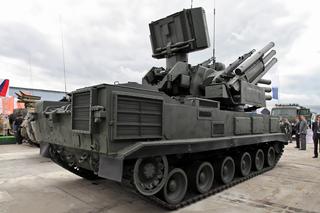
Russian servicemen in makeshift conditions began to equip 152-mm self-propelled howitzers 2S19M2 "Msta-S" with metal frames ("mangal") and antennas of electronic warfare (EW) systems to increase the combat survivability of their artillery. A photo of the artillery gun was published by Defence blog.
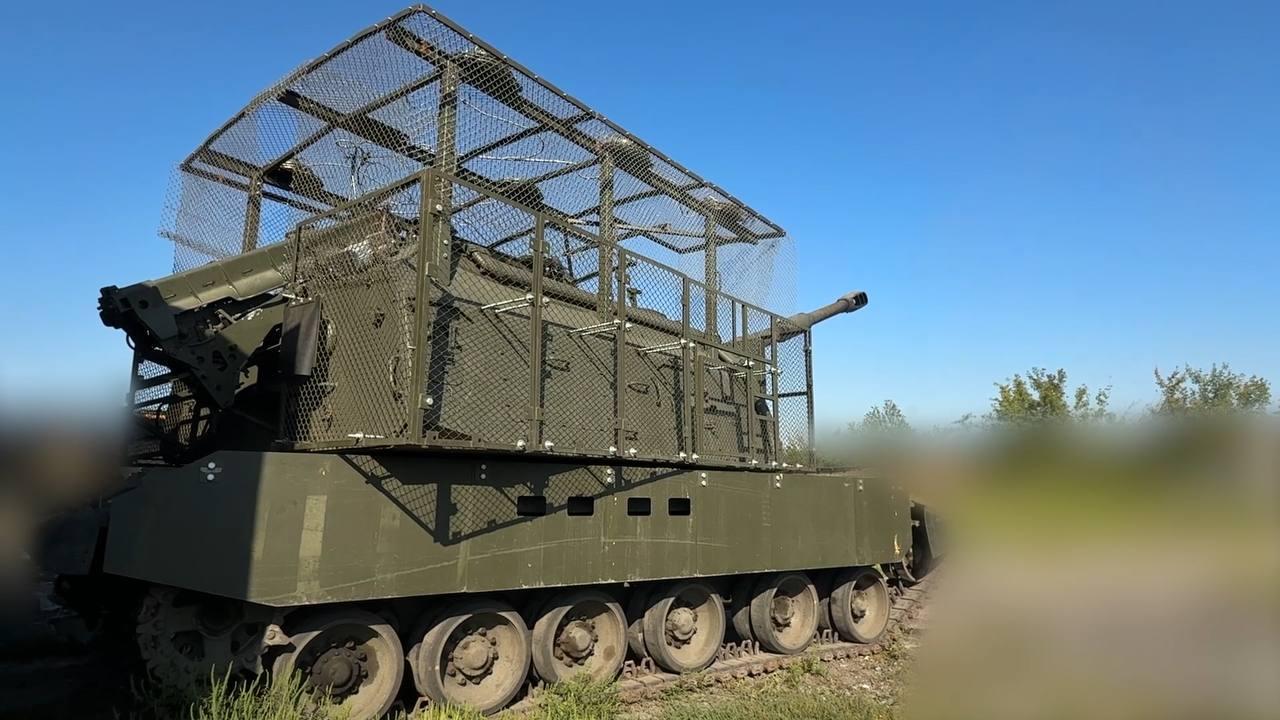
"Mangals" are designed for passive protection against attacks by FPV drones and guided loitering munitions. The 2S19M2 "Msta-S" howitzers also protect electronic warfare systems, disabling enemy drones.
The author of the article, Dylan Malyasov, emphasized that the firing range of the 2S19M2 "Msta-S" self-propelled guns is 29 kilometers. In this, the Russian howitzer is inferior to NATO artillery systems.
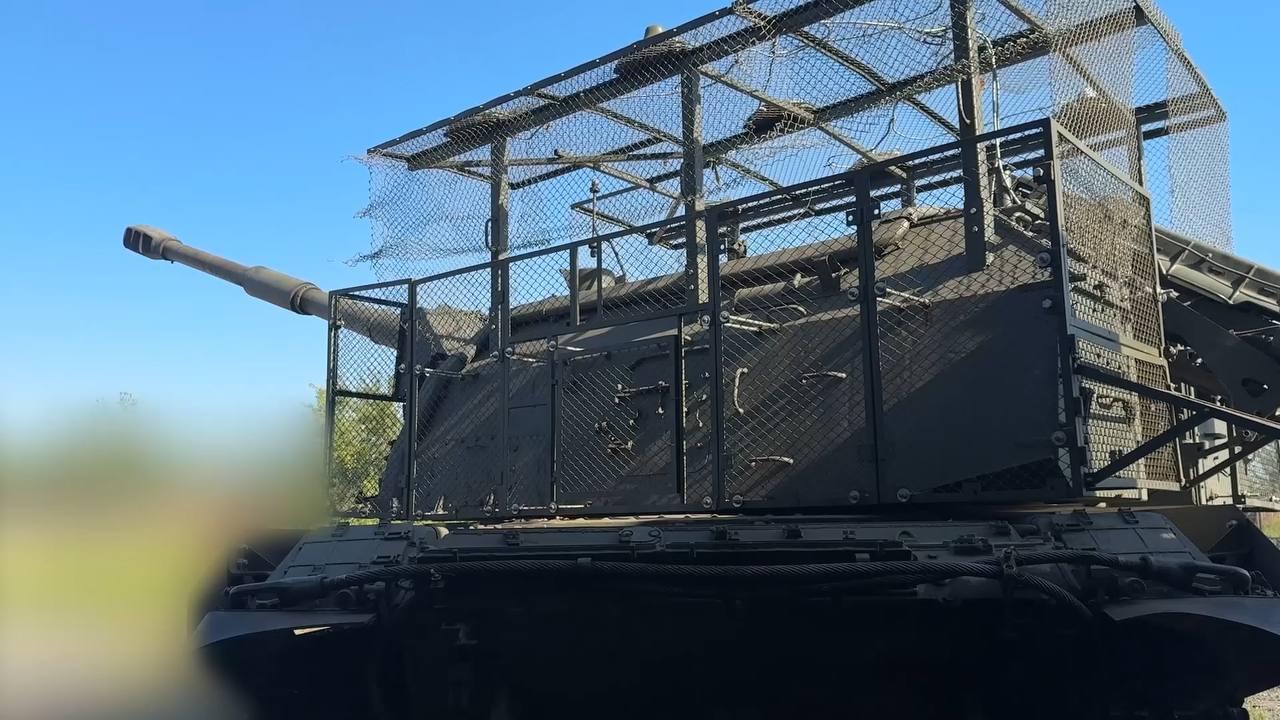
The hand-welded "armor" made of mesh is primitive, so it only partially provides protection for the self-propelled howitzer, Malyasov summarized.
Characteristics of 2S19M2 "Msta-S":
- Crew - 5 people
- Combat weight - about 43 tons
- Maximum speed on the highway - 60 km/h
- Cruising range - 500 km
- Engine power - 840 hp
- Main armament - 152-mm gun 2A64M2
- Firing range - up to 29 km
- Additional armament - 12.7-mm anti-aircraft machine gun "Utes"
Read more on the topic:
- Defence blog: Russian military protect the side projections of the 2S19 "Msta-S" with logs
- "If the USSR had not collapsed": analyst 19fortyfive explained what prevented the implementation of the Soviet MiG 1.44 fighter project
- "Want to shoot down the Su-25? Good luck!": Bulgarian Military analyst explained why the Soviet attack aircraft is practically invulnerable to the enemy
Never miss our newsAdd this site to your preferred sources to see us more oftenAdd on Google