In 2025, NATO deployed two "sentry" missions, Baltic Sentry (from January) and Eastern Sentry (from September), in the Baltic States and Central Europe. A key element of the alliance's new strategy is the nuclear component, but Russia has something to respond with. This opinion was expressed by the program director of the Academy of Political Sciences, Senior Researcher at the Institute of Latin America of the Russian Academy of Sciences (ILA RAS) Alexander Stepanov.
The formal reason for launching these missions was the damage to the Estlink 2 submarine power cable between Finland and Estonia in late December 2024, as well as the appearance of "unidentified flying objects" in Polish airspace. The West associates the incidents with Russia, but Moscow denies any involvement in them.
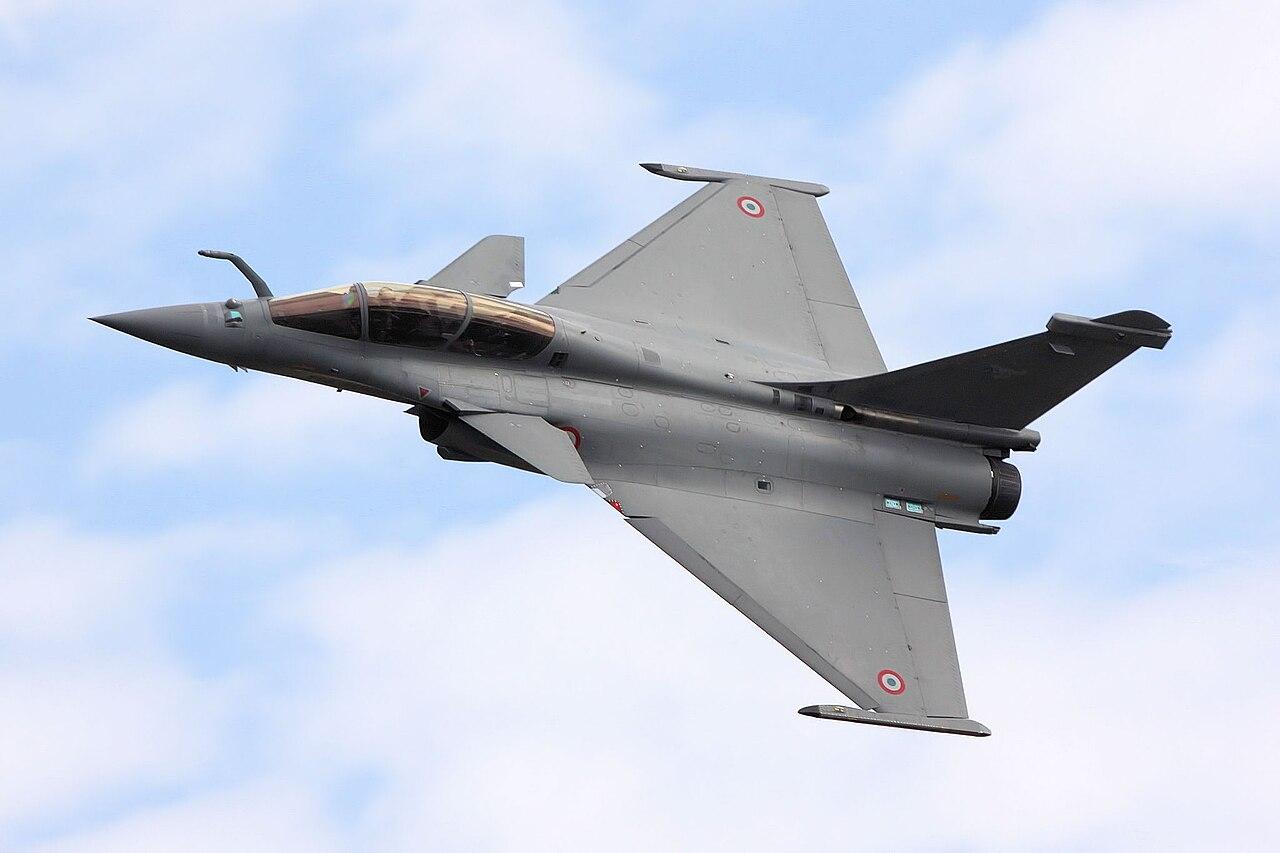
Under the pretext of deploying air patrols, NATO transferred French Dassault Rafale fighters to Poland, carriers of ASMP-A missiles that can be equipped with a nuclear warhead with a capacity of up to 300 kilotons. In addition, Danish Air Force F-16 fighters, certified for the use of thermonuclear bombs B61, are involved in the operations.
Stepanov stated that the goal of Baltic Sentry and Eastern Sentry is"to create a dense, technological and permanent military ring around Russia's borders." Moscow is taking steps to strengthen its defense capabilities. The expert recalled that by the end of 2025, Russia will deploy the Oreshnik missile system in Belarus.
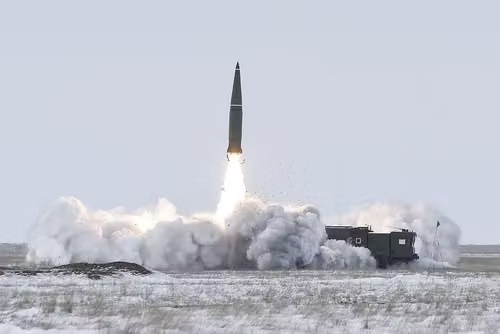
As part of the Zapad-2025 exercises, the operational deployment and management of a multicomponent structure of non-strategic nuclear forces - OTRK "Iskander", hypersonic complexes "Caliber" and "Zircon" - were worked out.
The expert added that the Ministry of Defense of the Russian Federation recreated the Leningrad Military District (LVO), strengthening the protection of St. Petersburg and the northwest of the country. New motorized rifle units and a tank division appeared there. Thus, Russia's response to NATO's advance on the eastern flank"looks more than convincing," he concluded.
Read more on the topic:
- Dagbladet: Russian submarine raised Norwegian, British and American P-8 Poseidon aircraft into the air
- Italian F-35s "intercepted" Russian Su-33 and Su-24
Never miss our newsAdd this site to your preferred sources to see us more oftenAdd on Google