Space
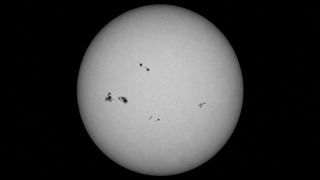
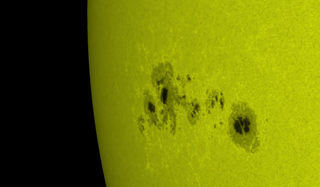
The Sun has grown the largest spot of the year: in two days it will be opposite Earth
Scientists are monitoring the record-breaker: its predecessor produced an X8.1 flare
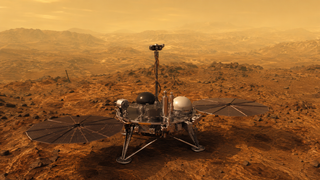
Roscosmos announced a new mission to Venus after 2036
The State Corporation proposed to explore the planet with automatic spacecraft
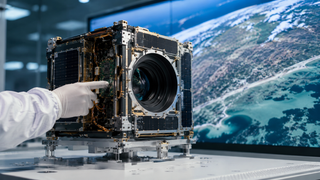
Space Without Foreign Parts: Roscosmos Changes Rules for Purchasing Earth Imagery
Private spacecraft will be checked for Russian component base and data protection
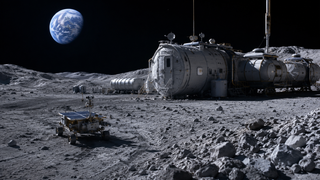
Russia unveils space strategy: lunar nuclear power plant, resource extraction, and missions to Venus
Draft decree proposes nuclear tugs and a series of "Lunas" until 2036
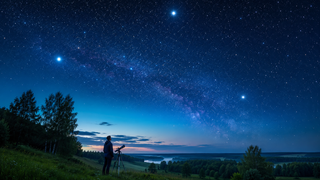
Vega, Deneb, Altair and the Ring: what to see in the sky from 11 PM to 2 AM in July
Astronomer revealed which constellations can be observed next month
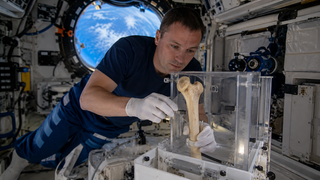
Bones in Zero Gravity: IMBP RAS Launches Second Stage of "Correction" Experiment
Specialists will also test lung function in spaceflight conditions

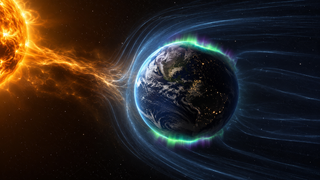
Magnetic Storm Hits Earth: Coronal Hole Accelerates Solar Wind
The peak of disturbances occurred during the night and morning hours, geomagnetic activity has begun to subside
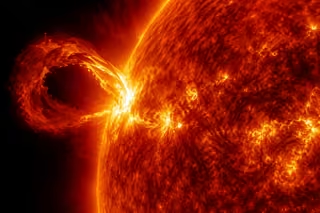
Powerful Solar Flares Expected: X-Class Events Possible on June 25-26
Solar activity can trigger plasma ejections and geomagnetic disturbances on Earth
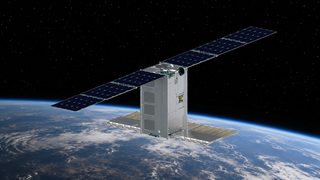
Russian "AIST-ST" satellite weighing only 30 kg will be able to detect oil spills from space
The device can see through clouds and fog
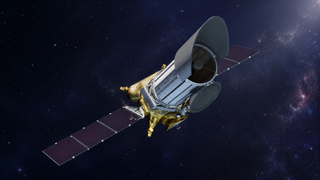
Russia's "Hubble successor" will be open even to scientists from unfriendly countries
In the "Spektr-UF" telescope, some equipment has been import-substituted and improved
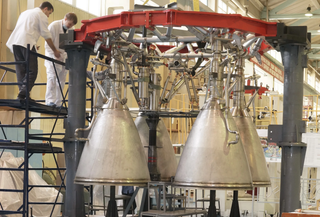
One of the best in the world: Russian rocket engine RD-0124 successfully passed its 600th "fire test"
The anniversary test confirmed the reliability of one of the most efficient oxygen-kerosene units
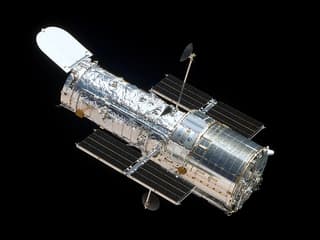
Launch date of Russian telescope - successor to Hubble - revealed
"Spektr-UF" to be launched on new "Angara-A5M" rocket with "Persei" upper stage