The government of the Khanty-Mansi Autonomous Okrug transferred a subsidy of 250 million rubles to the structures of "Corporation STS" within the framework of the national project "Ecological Well-being," according to the publication "Faktologiya." The funds are intended to reimburse costs for the investment project "Production of diesel fuel by processing secondary raw materials." The payment, initially promised to the investor by the end of 2024, was made only after the actual launch of the facility, which took place in 2026 instead of September 2025.
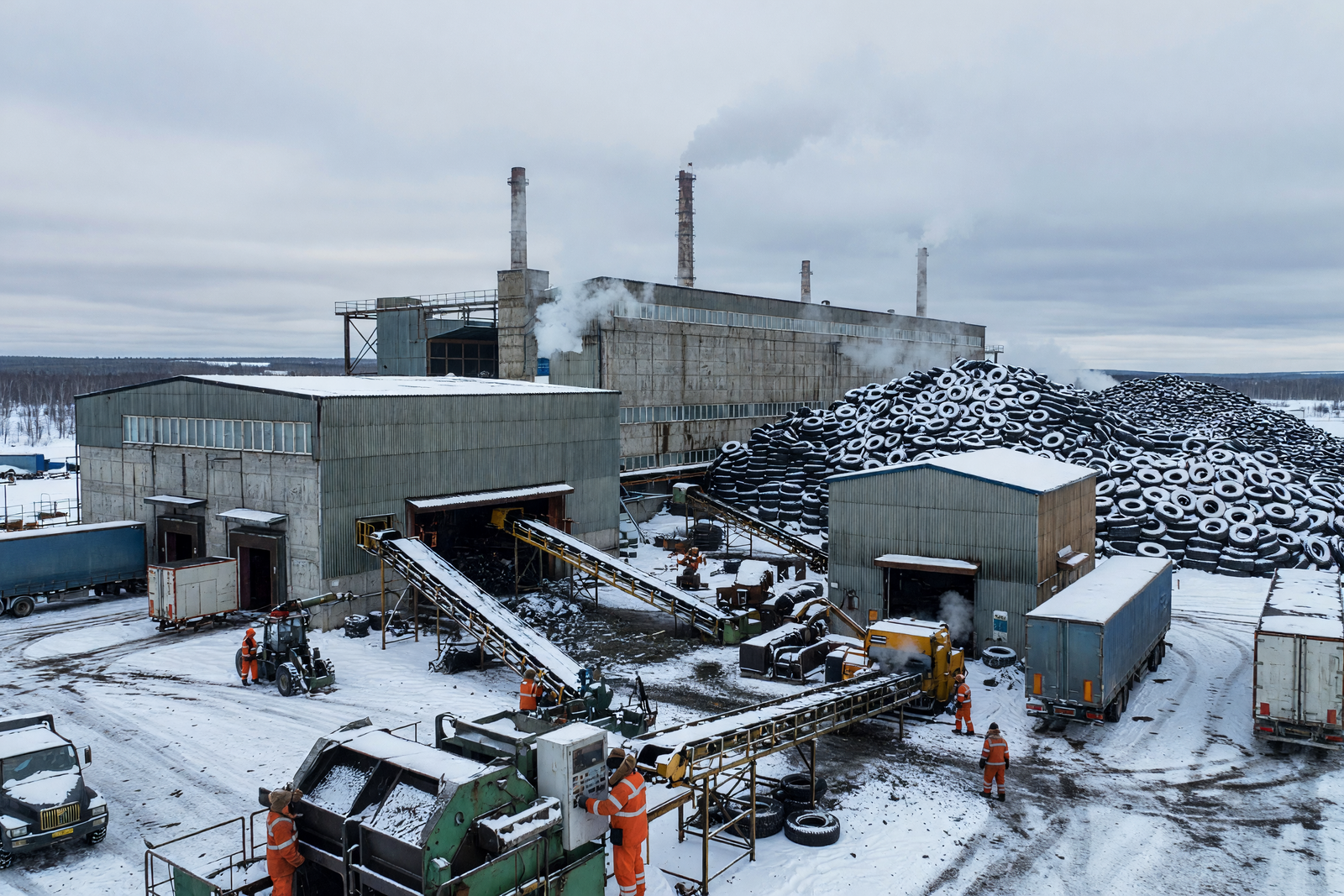
The launch of the production complex was delayed due to lengthy approvals with the company "Sibur," whose main pipeline runs in close proximity to the property complex acquired by the investor. The construction permit was only received on August 26, 2025, although the initial request was sent on February 3.
Even at the discussion stage in October 2024, the project drew criticism from KhMAO Duma deputies. Parliamentarians pointed out the risks of providing the investor — OOO "KomTransAuto," part of the "Corporation STS" structure — with a preferential loan of 250 million rubles and a subsidy for a similar amount. The total cost of the project was estimated at 715 million rubles, thus, the amount of requested state support accounted for about 70% of the investments.
Deputies also noted the absence of a detailed financial model and a positive environmental conclusion, as well as a disproportion between the budget's lost revenues (estimated at a minimum of 180 million rubles) and planned tax deductions over 10 years (only 66.7 million rubles). Despite the criticism, Natalia Ogorodnikova, the curator of the industrial block in the government, insisted on providing support measures, arguing for the social and environmental significance of the project. State support was ultimately approved by the majority of deputies.
The practice of allocating large government subsidies for environmental and industrial projects is widespread throughout Russia. Previously, federal authorities allocated 2.5 billion rubles to the Chechen Republic for the construction of the "Technopark" waste processing complex in Grozny — funds were channeled through the Ministry of Natural Resources to create infrastructure for sorting and processing secondary materials. The scale of federal funding here significantly exceeds regional projects: the state covers most of the capital expenditures, without shifting them to the region.
Read more on the topic:
Never miss our newsAdd this site to your preferred sources to see us more oftenAdd on Google