Translated with AI from the Russian original.
Russian scientists have proposed a new method for disposing of oil waste: they want to burn it together with so-called "combustible ice". This approach helps neutralize hazardous residues from oil production and refining, reduces harmful emissions, and provides thermal energy that can be used for heating.
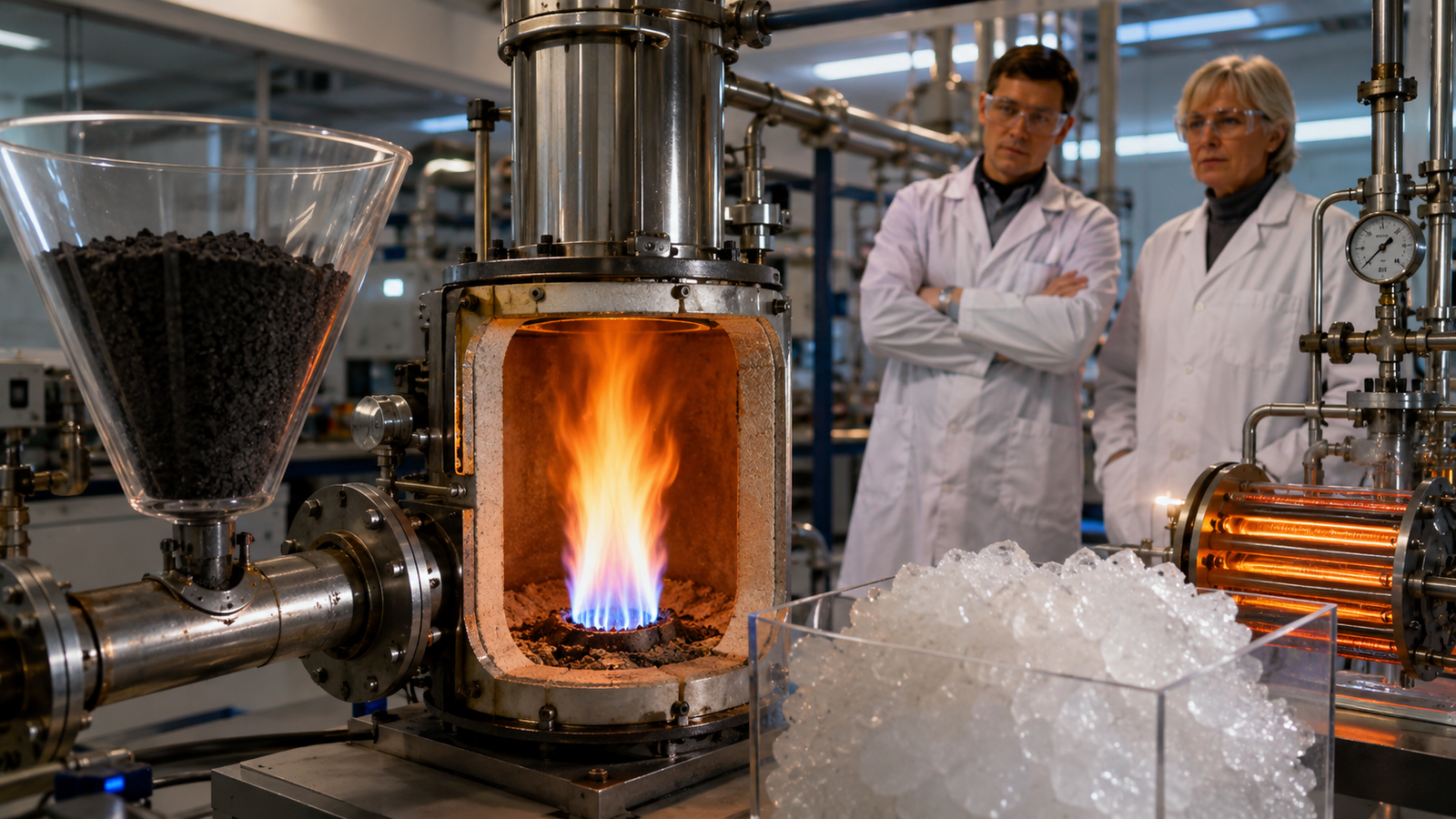
Oil production, refining, and transportation generate waste containing hydrocarbons, heavy metals, and volatile organic compounds. Currently, these are incinerated, solidified, oxidized, or processed with bacteria, but such methods are expensive, require special equipment, and are not always safe.
The new approach was developed by scientists at Tomsk Polytechnic University. They created a mathematical model and an experimental setup for burning oil-containing waste together with hydrate gas – "combustible ice". The system takes into account the stability, temperature, and flame angle, as well as the size of particles fed into the combustion chamber.
Water vapor in the gas hydrate helps reduce harmful emissions: sulfur oxide concentration drops by 5%, carbon monoxide by 11%, and nitrogen oxide by 15%. According to scientists, sulfur oxide emissions are 8.5 times lower than with other methods, and carbon monoxide emissions are 7.8 times lower. The byproduct is clean water, and the generated heat can be used for heating, especially in remote areas and at oil and gas fields.
Read more on the topic:
Never miss our newsAdd this site to your preferred sources to see us more oftenAdd on Google

















