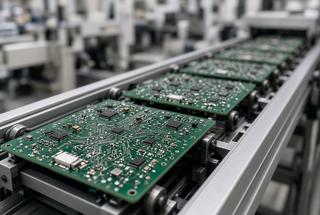
The XIII OS DAY 2026 conference marked a new milestone in import substitution. As Servernews reports, the focus has shifted from desktop operating systems to embedded devices and microcontrollers – the foundation for automated process control systems, ATMs, parcel lockers, and industrial sensors. Since January 1, 2025, Presidential Decree No. 166 has prohibited foreign software on significant critical information infrastructure facilities, triggering a wave of replacements from hardware to firmware.
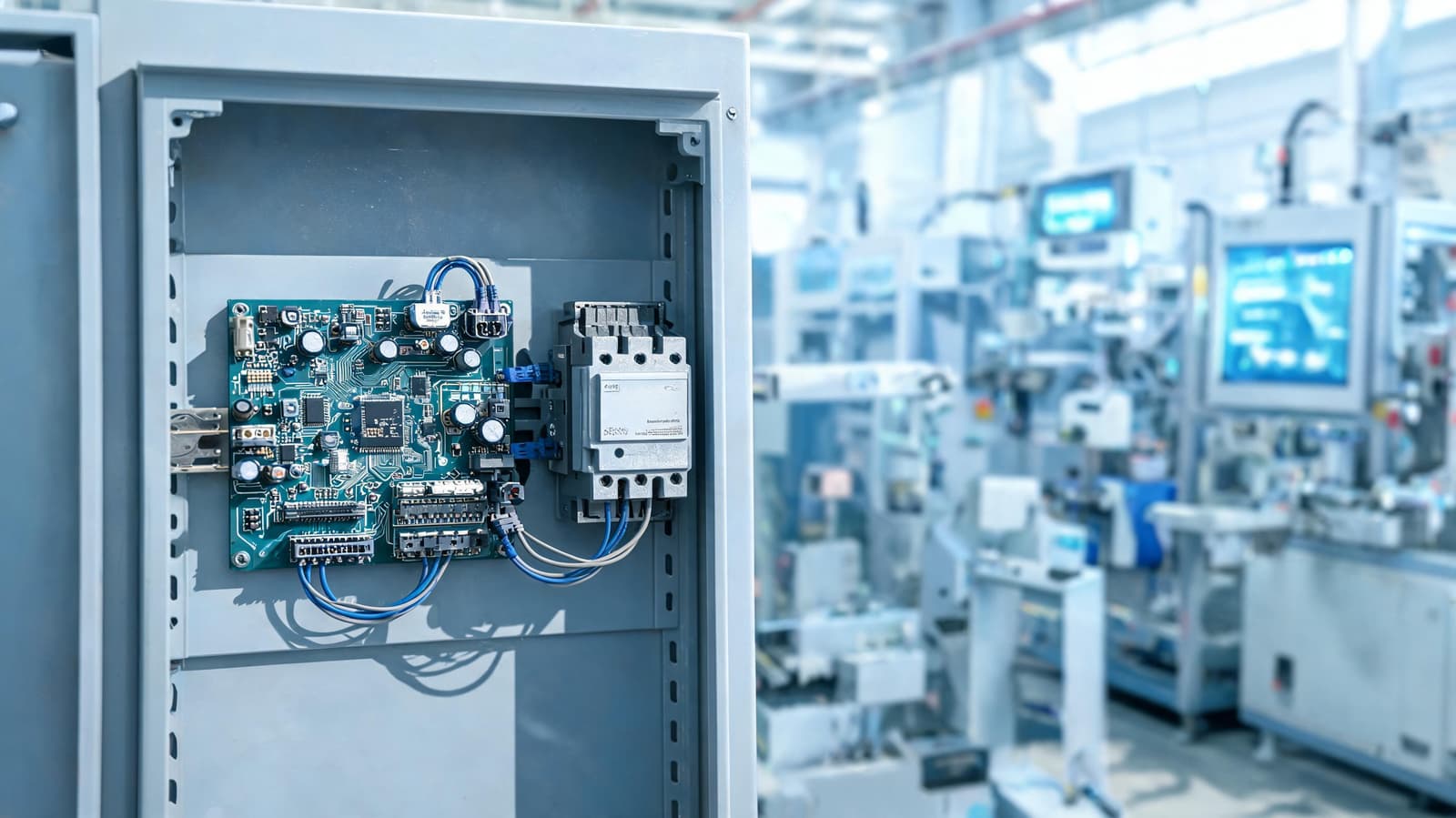
The market is responding with booming growth. NIIET reported the production of the millionth K1921VG015 microcontroller within a year of the new line's operation, while Baikal Electronics signed a contract for the supply of 1.5 million Baikal-U chips based on the RISC-V architecture – a direct analogue of the discontinued STM32 line. The volume of the Russian OS license market reached 12.5 billion rubles, showing a 37% increase. However, conference experts warned: the "zoo" of old 32-bit hardware, the shortage of certified firmware, and the inertia of the petrochemical industry are hindering a complete transition.
The bet is on open source – its share in modern developments reaches 90%. ISP RAN Director Arutyun Avetisyan emphasized that the task cannot be solved by one company alone: cooperation between science, industry, and the state is necessary. Processor manufacturers are expected to provide accessible reference boards, and OS developers are expected to provide developed SDKs. The question is no longer whether sovereignty is needed, but how exactly to ensure it at the level of each controller.
Read more on the topic:
Never miss our newsAdd this site to your preferred sources to see us more oftenAdd on Google