Translated with AI from the Russian original.
A new carbon fiber production line has been approved for construction in Tatarstan. The project has passed state expert review, with Rosatom's composite division as the client. Production is planned to start in 2027–2028.
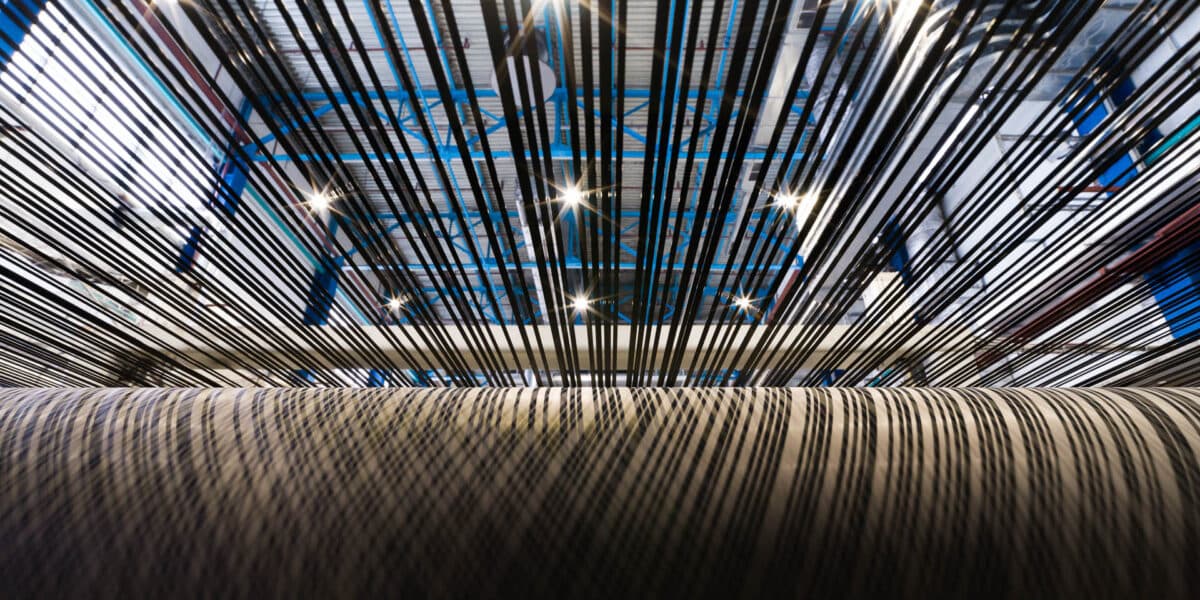
Alexander Dmitrik, CEO of the division, explained that the new line will increase carbon fiber production, strengthen their position in the Russian market, and provide consumers with high-quality materials for a wide range of industrial tasks. According to him, Rosatom is consistently developing its production base and creating conditions for the further growth of the composite industry in Russia.
The composite division of the state corporation ranks first in Russia and is among the top ten global leaders in carbon fiber production. In Tatarstan, the "Alabuga-Volokno" plant has been operating since 2015 with a capacity of 1.4 thousand tons of carbon fiber per year. The potential of the new line is 2 thousand tons per year, which will significantly increase overall production volumes.
In nuclear energy, carbon fiber is used to reinforce concrete structures of nuclear power plants, increasing their seismic resistance and protection against damage. It is also used to make gas centrifuges for uranium enrichment – the material withstands colossal rotation speeds and is not subject to corrosion. Additionally, carbon fiber sorbents are used to purify air from radioactive iodine at nuclear power plants.
In aircraft manufacturing, carbon fiber is essential for creating lightweight and durable elements of fuselages, wings, tail assemblies, fan blades, and aircraft interiors. Composites can reduce the weight of an aircraft by 20–30% compared to metal structures, leading to fuel savings and increased flight range. Furthermore, carbon fiber is not subject to corrosion and metal fatigue, which increases the service life and safety of aviation equipment. The material is also used in shipbuilding, automotive manufacturing, in the production of wind turbine blades, and sports equipment.
Read more on the topic:
Never miss our newsAdd this site to your preferred sources to see us more oftenAdd on Google

















