Translated with AI from the Russian original.
Regeneration and replacement of nerve tissue remains one of the most promising and actively developing areas of modern science. This was stated in an interview by Sergey Petrikov, Director of the N.V. Sklifosovsky Research Institute of Emergency Medicine.
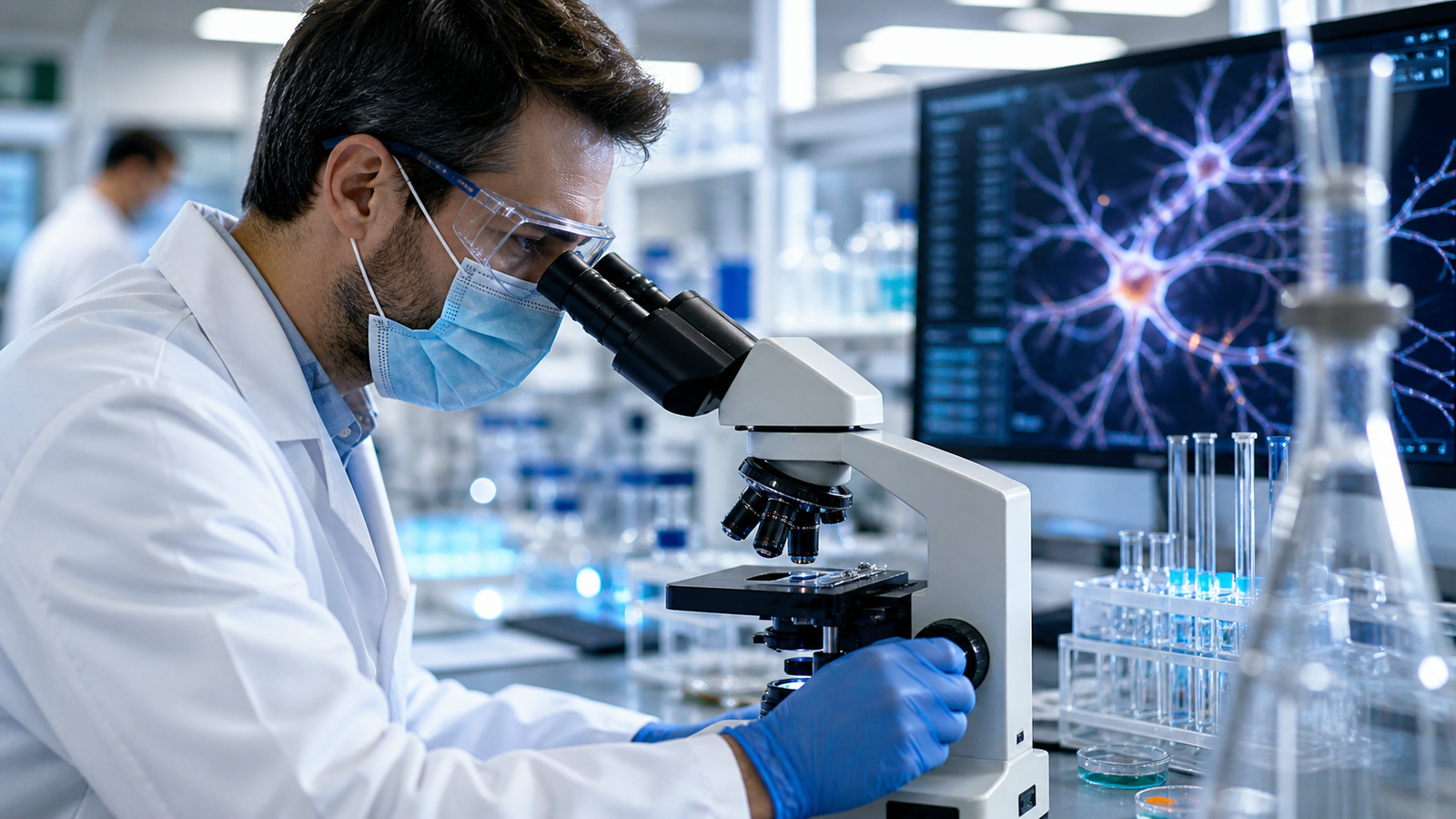
According to him, a key role in this direction is played by research related to stem cells, as well as less differentiated cells and umbilical cord blood cells.
All these works on the use of stem cells, less differentiated cells, umbilical cord blood cells - this is precisely the way forward.
However, the capabilities of medicine remain limited, especially in cases of severe injuries. As Petrikov emphasized, with massive trauma, it is still extremely difficult to completely replace dead nerve tissue.
Particular difficulties are associated with brain regeneration. Nevertheless, the specialist believes that in the future, technologies may advance significantly further. "With the brain, everything is much more complicated, but I believe that someday they will learn how to transplant it," he added.
Today, developments in this area are already being applied in the treatment of consequences of traumatic brain injuries, strokes, and other serious conditions.
The Sklifosovsky Institute also continues to develop the field of transplantology. Earlier, it launched the first hand allotransplantation program in Russia. In April 2025, surgeons transplanted a forearm and hand to a 53-year-old patient, and in February 2026, they performed an even more complex operation – transplanting two donor complexes at once, restoring both hands after a severe injury.
Read more on the topic:
- Prosthetics No Longer Needed?: Hand Transplants from Donors Have Begun at the Sklifosovsky Institute
- Medicine of the Future: RAS Scientists Create Graphene Sensor on Mask That Detects Diseases by Breathing
- Patient Treatment Selected Before Doctor's Visit: Expert Kashka Explains How AI Works in Medicine
Never miss our newsAdd this site to your preferred sources to see us more oftenAdd on Google

















