Even in icing conditions of a number of structures, the MC-21-310 aircraft continues to fly without changing course, which was confirmed by tests in the Arkhangelsk region. Nikolai Fonurin, Deputy Head of the Flight Test and Development Complex of PJSC Yakovlev for Civil Aviation Technology, spoke about the details of certification flights in harsh northern conditions.
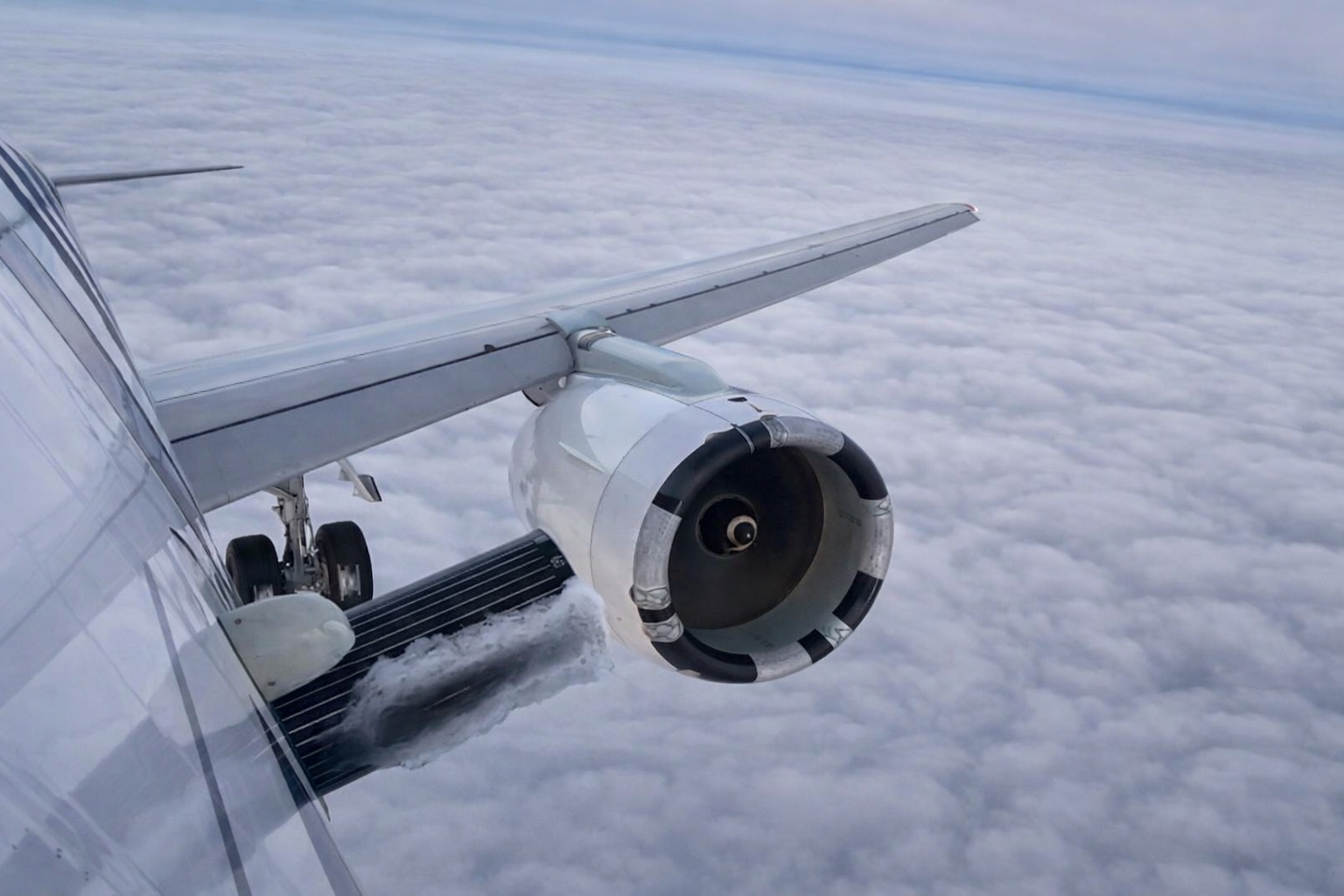
According to him, during the flights, the testers managed to "catch" ice on key elements of the structure, including the wing, landing gear struts and antennas.
In general, practically on all surfaces of the aircraft on which it is only possible to build up. We were lucky, we caught low-temperature ice, which grows on the aircraft. The icing conditions in which the aircraft finds itself do not have a bad effect, let's say, on the characteristics of the aircraft.
Fonurin added that the MC-21-310 fully confirmed its characteristics. Now the most difficult work will begin for Yakovlev — analyzing materials, developing reporting documentation and obtaining a type certificate.
Earlier www1.ru reported that the MC-21-310 flap fairings can withstand a huge temperature difference from −190 to +450 °C. Now these composites are produced in Russia.
Read more materials on the topic:
- It turned out that the MC-21 is assembled faster than the Su-30SM: installers are not waiting in line
- We fly on Airbus without the MC-21: the resource of the A320 in Russia will be increased above the factory norm
- The MC-21 is only a third ready, but Rosaviatsia is waiting for the plane until the end of the year
Never miss our newsAdd this site to your preferred sources to see us more oftenAdd on Google

















