While the Spanish startup Voltrac is preparing for the first deliveries of its unmanned tractor, Russian engineers have already conducted field tests of "Dontech" and are preparing it for mass production, according to DSTU. Experts see this not just as a technological competition, but as fundamentally different approaches to the electrification of agricultural machinery.
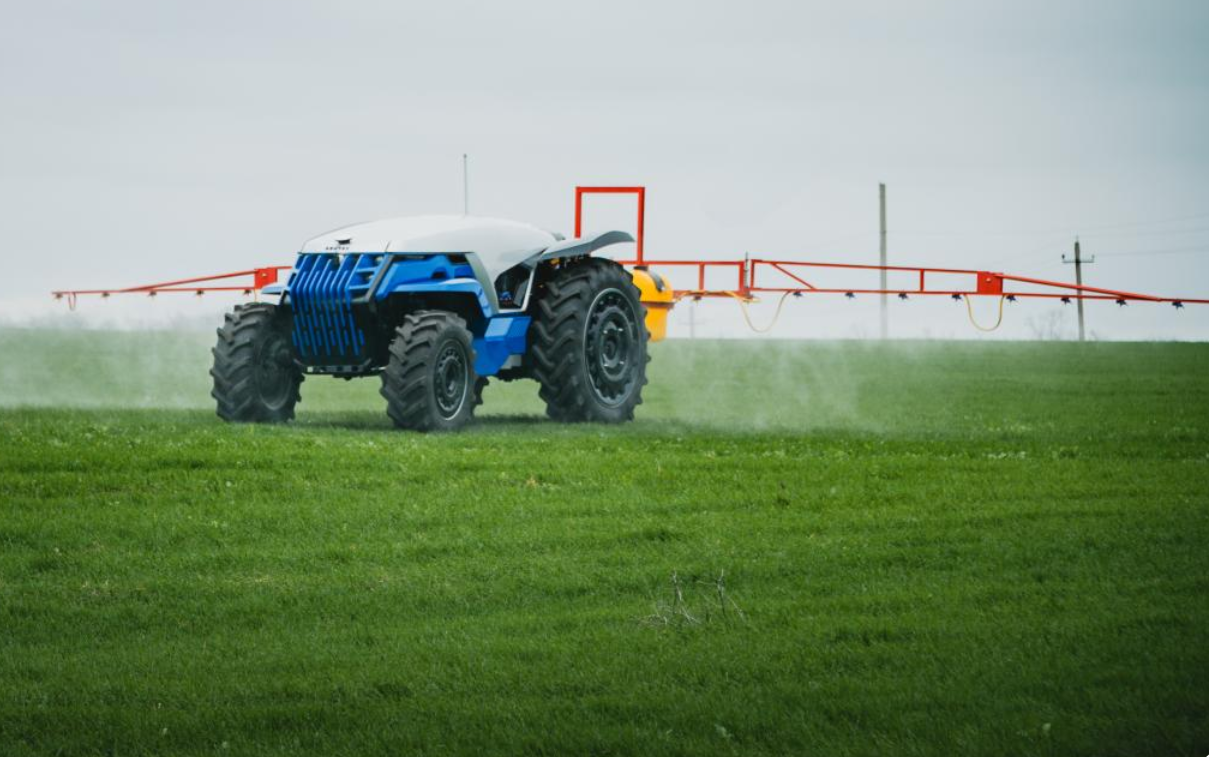
Voltrac is building a platform with a distributed electric drive for the wheels and a 200 kWh battery. This allows reducing 70% of mechanical components and reducing maintenance costs by about 30% per year. But in Russian conditions, this approach risks facing serious problems.
Voltrac is an electric platform with batteries, requiring a developed charging infrastructure and limited by the autonomous operation time. In the conditions of Russian territories, where the distances between fields are measured in tens of kilometers, and there are no charging stations, such a solution faces obvious operational risks.
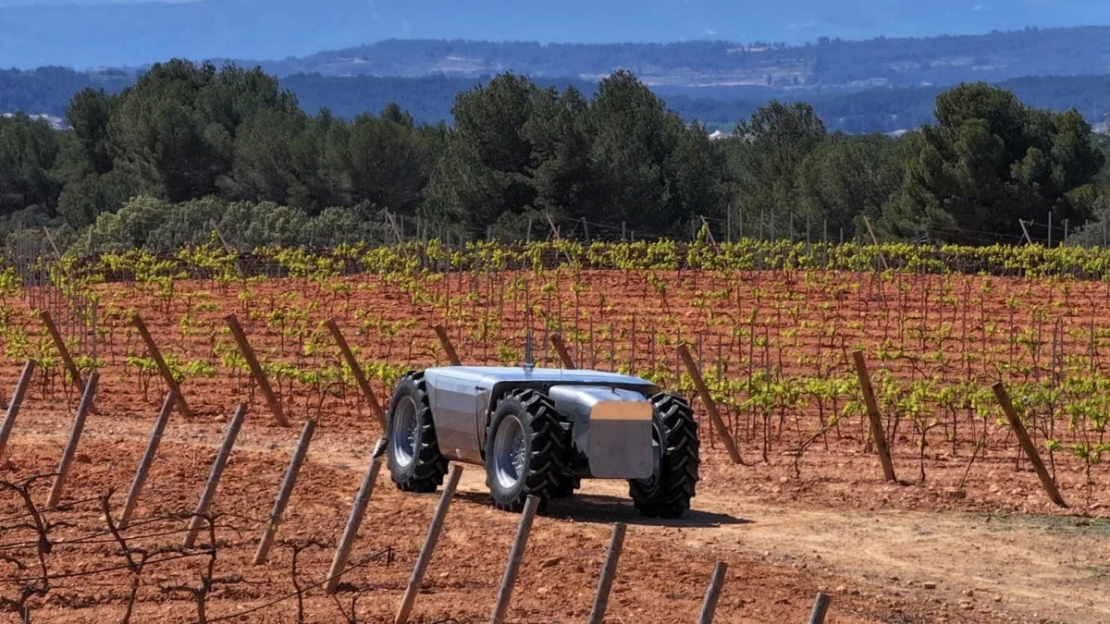
The key advantage of "Dontech" is its practical adaptability to the realities of the Russian agro-industrial complex. DSTU has already conducted field tests in the fall of 2025, and plans to launch mass production by 2030. 90–95% of the tractor's components are of domestic production. The platform is unified with existing attachments: the farmer does not need to change the entire fleet of implements.
The Spanish manufacturer plans to start deliveries in the first quarter of 2026 — in fact, they are only entering the pre-production stage. Voltrac relies on "green" energy and developed logistics, we rely on reliability, independence from infrastructure and real accessibility for the Russian farmer.
Unmanned tractors solve the main problem of the industry — an acute shortage of qualified personnel. The machine can work around the clock without interruption, accurately following a given route and performing operations with high repeatability, which reduces crop losses and overconsumption of resources. Autonomous technology also reduces the burden on humans, removing routine hard work.
Read more on the topic:


Never miss our newsAdd this site to your preferred sources to see us more oftenAdd on Google








![Growth Point: After 5G Launch, Mobile Internet in Russia Accelerated by 20%","subtitle":"TelecomDaily recorded an upload speed increase of 19.7%, and download speed of almost 14%","announce":""}[]}],](https://media.ixbt.site/fit-in/320x/ixbt-data/1727896/ai-image-nvgq0a0v5cjnyxwoc8xpelva.webp)