Translated with AI from the Russian original.
A difficult ice situation has developed in the Gulf of Finland — due to frost and strong winds, cargo ships are stuck both in international waters and in the territorial waters of Finland. Russian icebreakers are coming to the rescue, according to the Finnish Transport Infrastructure Agency.
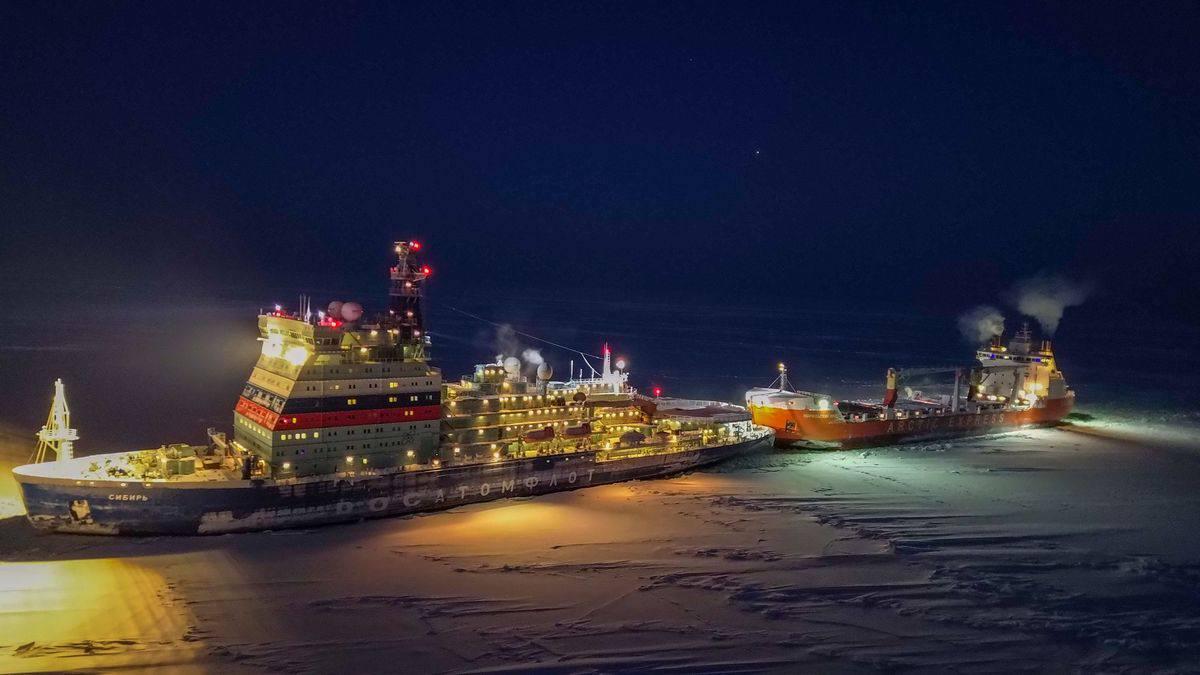
Image source: Rosatom
In accordance with normal winter navigation practice, assistance is provided to ships within the framework of international cooperation, including with the participation of Russian icebreakers. At the request of the Transport Infrastructure Agency, a Russian icebreaker can also assist a cargo ship located in Finnish territorial waters.
Earlier, due to the difficult ice situation, the nuclear icebreaker "Sibir" (part of Rosatom) was sent to the Gulf of Finland to ensure the piloting of ships. According to weather forecasters, windless frosty weather allowed the bay to become covered with ice — this happened for the first time in 15 years.
Read more on this topic:
- Russia lacks icebreakers: the country's Baltic ports are almost completely paralyzed
- Sanctions interfered: Russia can save the most powerful German icebreaker stuck in the Arctic
- Construction of the nuclear icebreaker Project 22220 is nearing completion: the first major equipment has been launched on the Chukotka
Never miss our newsAdd this site to your preferred sources to see us more oftenAdd on Google

















