Russia has completed the certification of the Tu-214 medium-range aircraft and is launching its production. This was announced by Prime Minister Mikhail Mishustin during his report on the work of the government to the State Duma deputies.
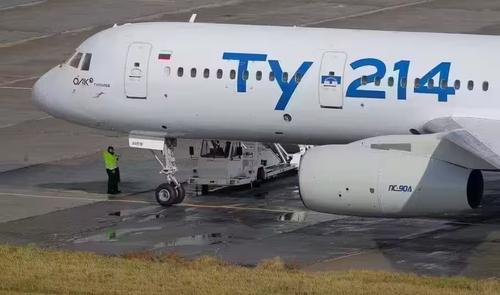
According to the head of the Cabinet, Russian engineers continue to restore competencies in aircraft construction. During 2025, they conducted tests of aircraft using domestic solutions and materials, Mishustin added.
In addition to the Tu-214, the Prime Minister named the MC-21 passenger aircraft, the modified SJ-100, the regional Il-114, and the multipurpose "Baikal" with a Russian engine as key projects in aviation.
At the same time, unmanned aerial systems (UAS) were also developed.
In a third of the regions of the Russian Federation, infrastructure for testing UAS has already been deployed, the head of government summarized.
Read more materials on the topic:
- Reality versus plans: aviation expert explained why dozens of Tu-214s will appear in the distant future
- The cost of the first batches of MC-21, Tu-214 and Il-114-300 will be significantly reduced — Ministry of Industry and Trade
- The advantageous advantage of the Soviet Tu-214 over the new MC-21 is named
Never miss our newsAdd this site to your preferred sources to see us more oftenAdd on Google

















