As of mid-January 2026, less than two months remain until the new legislation on the localization of cars for taxis comes into force. However, despite the approaching deadline of March 1, 2026, most regional taxi fleets and private carriers are in no rush to switch to approved Russian models. Analysts note that interest in localized cars remains low, while the commercial passenger car fleet is still dominated by Korean sedans.
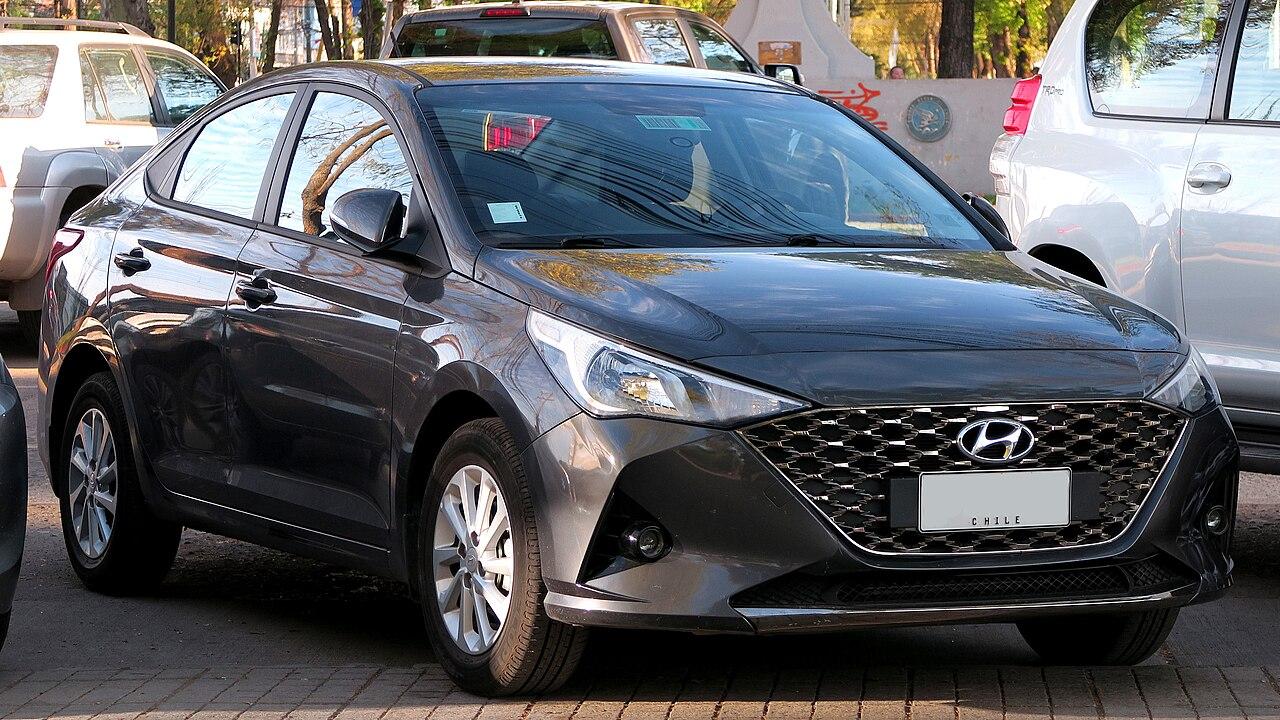
According to AlfaStrakhovanie data for January-October 2025, the Hyundai Solaris holds the leading position in the Russian taxi market, accounting for 20% of the entire commercial fleet. The Kia Rio follows right behind with 19%, while the LADA Granta rounds out the top three with 17%. Together, these three models make up more than half of the country\'s active taxi fleet.
Although the government approved a list of 20 models from six brands manufactured in Russia - including Lada, UAZ, Sollers, Evolute, Voyah, and Moskvich - their presence in actual transportation services remains minimal for now. At the same time, the share of Chinese cars in taxis has grown over the past three years from less than 1% to 14%, although they still trail Korean brands. Meanwhile, European brands such as Volkswagen and Skoda are gradually losing their positions.

It is important to note that the new law does not completely ban the use of foreign cars in taxis. According to the bill adopted by the State Duma, private carriers will be able to include in the regional register vehicles that have been in their ownership for more than six months and have been used by a single owner. However, the share of such cars is limited to no more than 25% of the total number of registered taxis in the region. This quota will remain in effect until January 1, 2033.
Nevertheless, experts emphasize that despite the presence of a temporary \"valve\" for imported cars, the very idea of switching to localized models is met with skepticism by drivers. The main reasons are the insufficient recognition of new brands, concerns about reliability, and the lack of a developed service infrastructure. In conditions where key market participants continue to rely on the proven Solaris and Rio, it is still premature to speak of a mass transition to domestic alternatives.
Read more materials on the topic:
- The Government of the Russian Federation approved a bill on working in taxis outside the driver\'s place of registration
- Developers from St. Petersburg unveiled the \"Karakurt-1\" - an all-terrain vehicle with Russian roots
- MAZ unveiled the \"Kupava-273140\" motorhome based on the MAZ-365022 chassis
Never miss our newsAdd this site to your preferred sources to see us more oftenAdd on Google





![Growth Point: After 5G Launch, Mobile Internet in Russia Accelerated by 20%","subtitle":"TelecomDaily recorded an upload speed increase of 19.7%, and download speed of almost 14%","announce":""}[]}],](https://media.ixbt.site/fit-in/320x/ixbt-data/1727896/ai-image-nvgq0a0v5cjnyxwoc8xpelva.webp)