Translated with AI from the Russian original.
In Bashkiria, a solution was proposed against one of the most difficult threats — fiber-optic-controlled drones, which are almost invulnerable to electronic warfare systems. The corresponding patent was registered in the FIPS database.
The key feature of the system is fully autonomous operation. The device detects a target, recognizes it, tracks it, and opens fire without operator involvement.
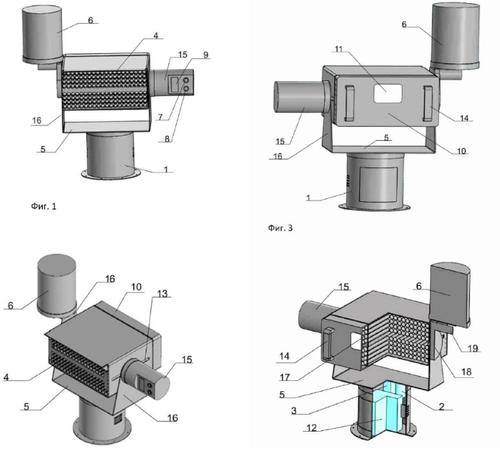
Structurally, the system is proposed to be built on a rotating platform with electric drives. It is capable of rotating 360° horizontally and changing the elevation angle from +90° to −45° vertically.
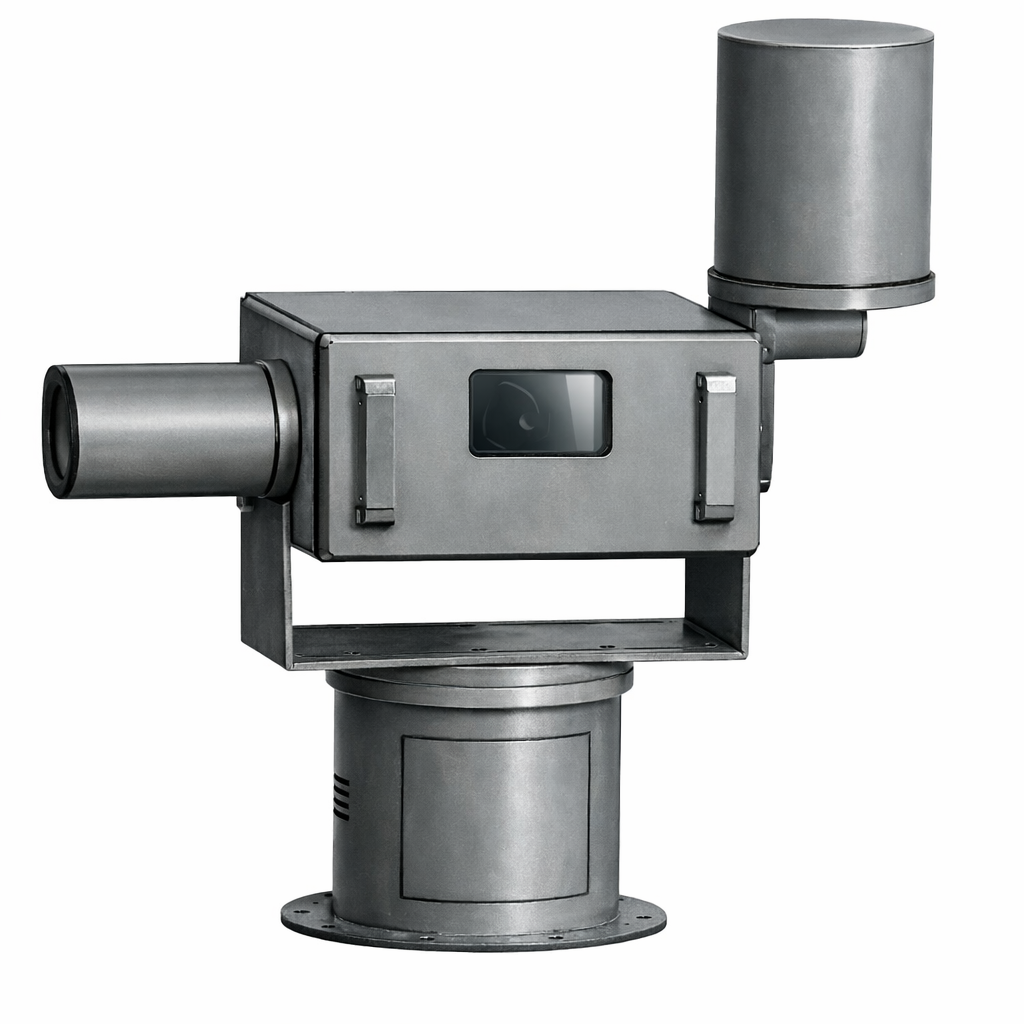
The platform will house a barrel block, radar, video camera, thermal imager, and lidar. The combination of various sensors makes it possible to reliably detect drones at any time of day and in difficult weather conditions, the developers are confident.
The control unit combines data from all sensors and, using a digital processing system, automatically aims the weapon at the target. At the same time, it controls the platform drives and firing. The barrel block is equipped with a pulse generator and an electronic switch that check the serviceability of all channels and send a pulse only to a ready munition.
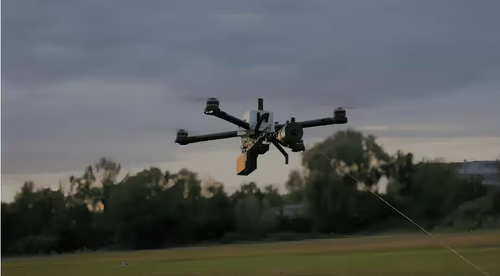
Aleksei Chadaev, CEO of the company Ushkuynik, stated that the Russian military began using the fiber-optic unmanned aircraft "Knyaz Vandal Novgorodsky" as an ambush "waiter drone".
Read more materials on the topic:
- In Russia, a demonstrator engine for a reusable vertical takeoff and landing rocket was patented
- With a fragmentation-high-explosive and thermobaric warhead: a low-observable strike drone was patented in Russia
- The design of a unique mortar was patented in Russia: twice as light as traditional models
Never miss our newsAdd this site to your preferred sources to see us more oftenAdd on Google

















