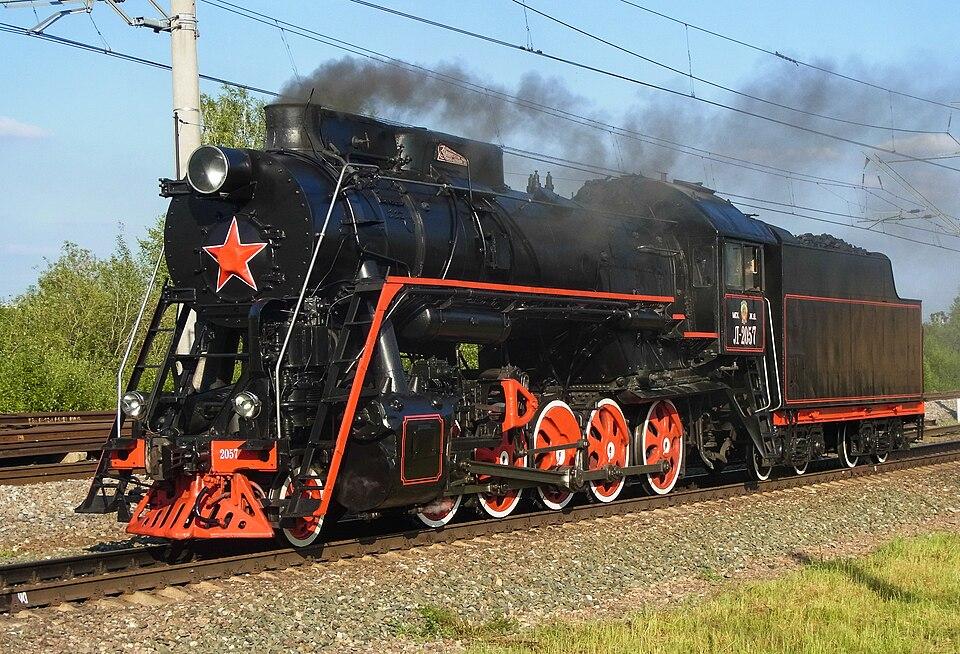
Ulan-Ude LVRZ is restoring a historical steam locomotive of the "L" series ("Lebedyanka"), which was delivered from Moscow. This is the first steam-powered locomotive in the last 60 years to be given a "second life" at the plant.
The restoration process includes making a mold and casting new parts. The technology is being developed almost from scratch.
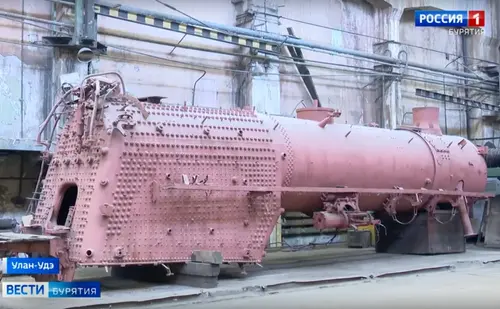
Some of the locomotive parts were in disrepair, and there were also cases where the drawings were lost. Therefore, our plant restores the drawings, casts molds, and then it all comes to us here for machining to bring the blanks to the required dimensions.
It is expected that the locomotive frame will be fully ready in January. It is planned to complete the repair of the boiler closer to the end of January - beginning of February.
After restoration, "Lebedyanka" will start transporting tourists along the country's scenic routes.
Earlier www1.ru reported that museum steam locomotives in Russia have begun to be used as retro trains.
Read more materials on the topic:
- New electric locomotive EP2K in a unique livery made for the Moscow - St. Petersburg route
- Development of the TEM885 locomotive will begin in Russia: With a new generation DM-185 diesel engine
- Hydrogen train is getting closer to hitting the rails: footage of the production of four bodies was shown in TVZ
Never miss our newsAdd this site to your preferred sources to see us more oftenAdd on Google