By 2030, Russian airlines will need up to 6 million carbon units to offset emissions from international flights under the CORSIA scheme. Climate projects to create protective forest belts on agricultural land could be a source of these units, according to the Center for Digital Technologies for Climate and Environmental Projects at the Higher School of Economics.
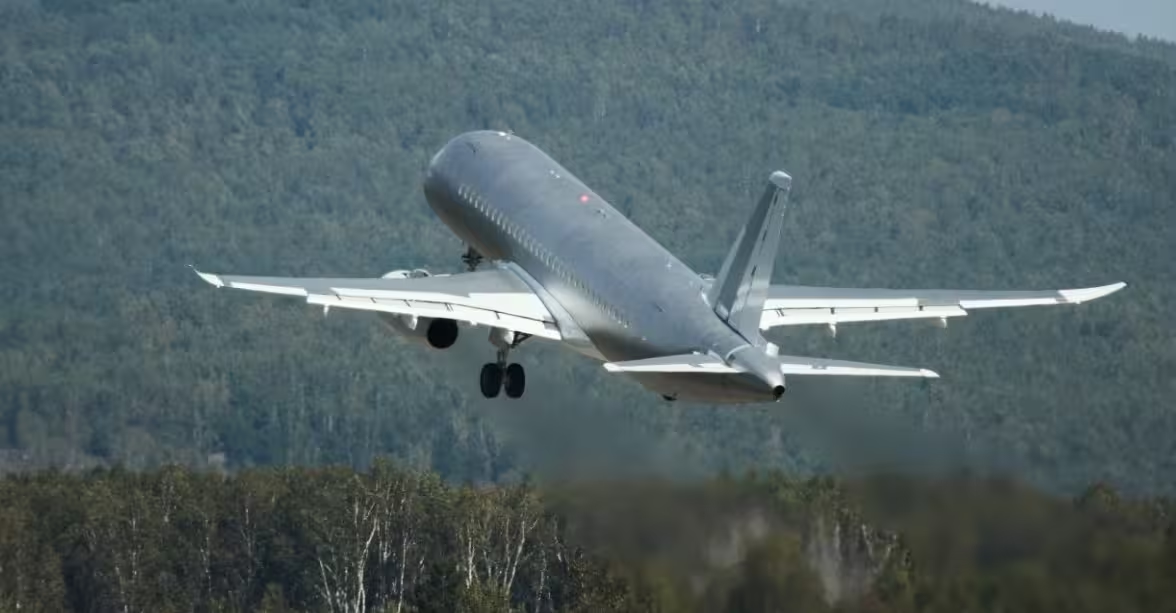
Aviation companies will be required to purchase carbon units from 2027 to offset greenhouse gas emissions from international flights. We estimate the need of Russian airlines in 2030 at approximately 5-6 million carbon units
Experts have calculated that if the share of agroforestry reclamation in the 20 largest agricultural holdings increases from the current 1.6% to a scientifically based minimum of 4%, and 50% of degraded forest belts are restored throughout the country, the total area of such plantations will reach 755 thousand hectares. This will ensure the annual generation of up to 10 million carbon units.
Specialists also note that projects become economically viable with an area of 500 hectares or more. Agricultural holdings will be able to receive a triple benefit: state subsidies for the creation of forest belts, increased yields, and the sale of carbon units - first on the domestic market, and from 2026, after the accreditation of the Russian registry in CORSIA, on the international market.
Read more materials on the topic:
- Russia is exploring options for cooperation with Vietnam in the field of low-carbon energy
- "Superjets" confirm the status of the "workhorse" of Russian aviation: 2.4 million passengers and 97% serviceability
- Sanction barriers no longer interfere: SJ-100 and MS-21 have become completely independent from the West
Never miss our newsAdd this site to your preferred sources to see us more oftenAdd on Google