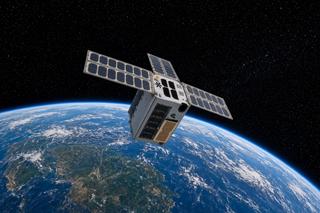
Ulyanovsk Automobile Plant (UAZ) is starting mass production of Russian emergency call devices (UVEOS) manufactured by FSUE "NAMI" on its cars. This was reported in the press service of the company.
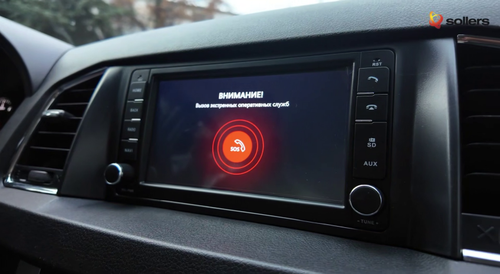
More than 20 thousand such modules have already rolled off the assembly line. They are integrated into all new UAZ cars.
According to the results of operation, the systems have shown high reliability. The modules include only Russian components and software.
The new devices support telematics functions that allow you to track the location of cars on the map and provide additional services, such as remote engine start. The UVEOS system operates through the ERA-GLONASS infrastructure, which has become mandatory for all vehicles manufactured or imported into Russia since 2017.
The device automatically transmits data about accidents and other incidents to emergency services, using voice calls and digital messages through mobile operators' networks.
Earlierwww1.ru reported that the updated UAZ "Hunter"has arrived to dealers.
Read more materials on the topic:
- UAZ "Patriot" received an updated "Offroad" package with an electric winch
- New UAZ "Patriot" and "Pickup" are being tested with a 2.0-liter diesel engine and a 6-speed gearbox
- UAZ suspends production of SGR "Expedition" until 2026
Never miss our newsAdd this site to your preferred sources to see us more oftenAdd on Google