Translated with AI from the Russian original.
Rescue forces of the Pacific Fleet conducted exercises in the Sea of Japan to search for and evacuate a splashdown spacecraft. According to the exercise scenario, search and rescue forces detected signals from radio beacons of the spacecraft's descent vehicle.
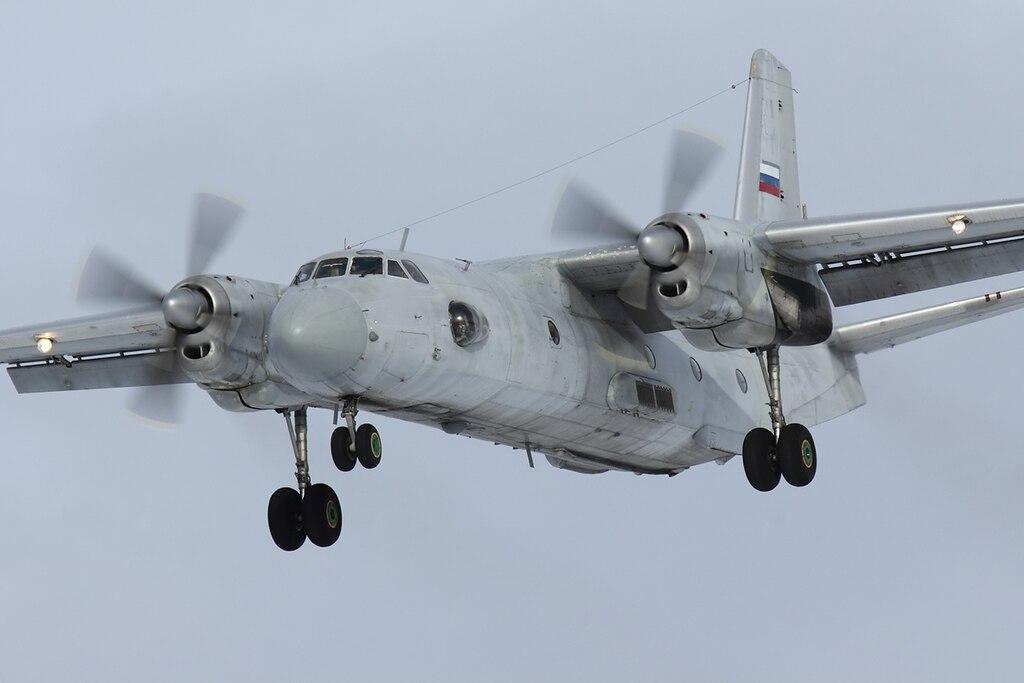
To survey the area, a naval aviation An-26 aircraft was deployed, which located the object and transmitted its exact coordinates to the rescue tugboat "Foti Krylov."
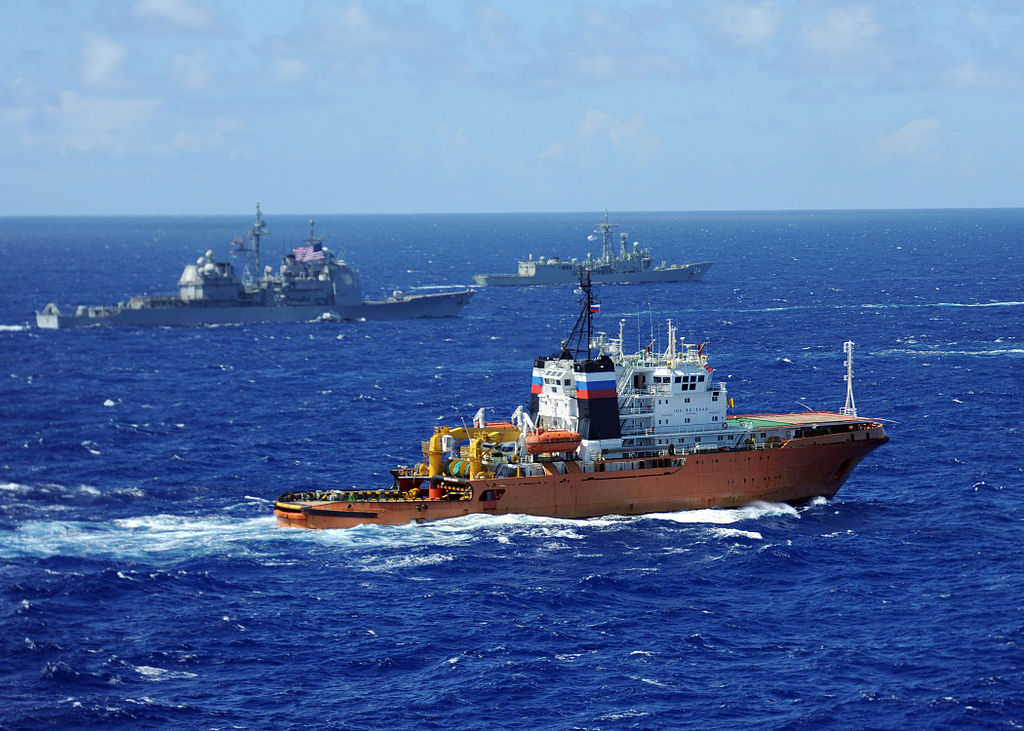
Upon arrival in the designated area, a group of divers on a BL-680 speedboat installed an inflatable stabilizing platform on the descent vehicle and towed it to the ship. Then, the capsule was lifted onto the deck of the "Foti Krylov," where specialists from the medical service examined the crew of the mock spacecraft.
In conclusion of the exercises, rescuers practiced evacuating astronauts using a non-landing method with a Mi-8 helicopter from the Far Eastern Aviation Search and Rescue Center of Rosaviatsia.
"Foti Krylov" is a large rescue tugboat named after the Soviet military leader Foti Ivanovich Krylov (1896-1948). The ship is designed to rescue ships and vessels with serious malfunctions in the ship's system, as well as to tow large-tonnage vessels far out at sea.
The tugboat is listed in the Guinness Book of Records as the largest and most powerful tugboat in the world. It is currently part of the Russian Pacific Fleet.
Earlier,www1.ru reported thatRussian military adapted the RBU-6000 naval rocket launcher for ground use.
Read more materials:
- Carrier of uninhabited underwater vehicles, the minesweeper "Afanasy Ivannikov" worked out elements of the K-2 course task in the Barents Sea
- The sinking of the battleship "Novorossiysk": a tragedy in Sevastopol and a mystery that has not been solved for 70 years
- The Kalashnikov Concern has refined the Lebedev pistols based on combat experience
Never miss our newsAdd this site to your preferred sources to see us more oftenAdd on Google

















