Translated with AI from the Russian original.
The presentation of the Orthodox messenger "Zosima" will take place on October 30. According to Alexey Agapov, president of the "Innotech XXI" Foundation, the service has already been tested by two thousand users. Agapov emphasized that "Zosima" will not compete with the national messenger MAX.
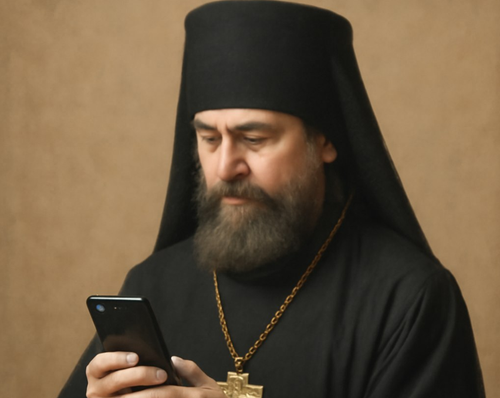
We have been testing it for about eight months, and 2,000 people have already tested this messenger.
The creators of the "Zosima" messenger said that it will combine the functions of a social network and communication tools adapted for the Orthodox community. Users will not only be able to exchange messages, but also report problems with temples. Special attention is paid to the blogs of priests. They will be able to share news about the life of parishes, publish sermons, and answer questions from believers.

This is not an analogue of MAX at all. This is a completely different platform initially - something between Odnoklassniki and VKontakte.
Agapov previously said that the "Zosima" messenger started as part of the "Save and Protect" project, dedicated to the restoration of temples in the Yaroslavl region. However, later it was decided to make the service an independent application, available to everyone. The head of the foundation then said that "Zosima" would be similar to WhatsApp.
Read also on the topic:
Supporting points of the technological framework of Russian cities were discussed at the Cloud Cities forum
Never miss our newsAdd this site to your preferred sources to see us more oftenAdd on Google

















