Researchers from Sechenov University have created a new method for diagnosing and monitoring atherosclerosis, which is based on the analysis of fatty acids in blood plasma.
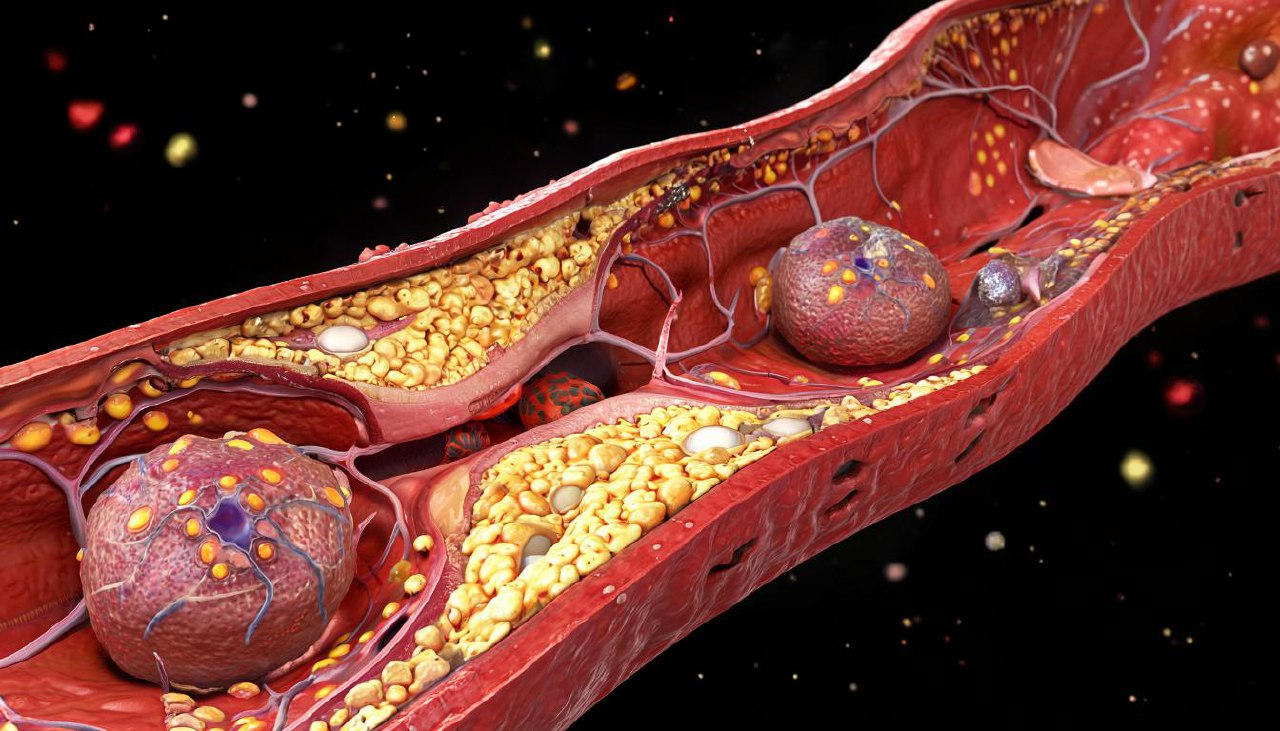
We have built our own model of the relationship between the level of omega-3 from plasma and in erythrocytes with the instability of atherosclerotic plaques for the Russian population.
The main problem, according to scientists, is that determining the omega-3 index usually requires an analysis of red blood cells, which is not always possible. In this regard, experts have developed a mathematical model that allows accurate assessment of the omega-3 index based on blood plasma analysis - a more accessible and widely used test.
In the course of the study, scientists studied blood samples from 52 patients who had been diagnosed with atherosclerosis, and 50 healthy volunteers. In patients with atherosclerosis, the researchers found significant changes in the composition of fatty acids, in particular, a decrease in the level of omega-3 and disturbances in the activity of enzymes responsible for their metabolism. It was also found that statin therapy can partially normalize the lipid profile, although it does not always lead to a significant increase in the concentration of omega-3.
Read more on the topic:
Digital profile of a healthy person is being developed in Russia
What to watch on the weekend: "First Technical" recommends the Russian adventure film - "North Pole"
Never miss our newsAdd this site to your preferred sources to see us more oftenAdd on Google