The timeline for creating Vande Bharat train prototypes for Indian Railways has been moved to 2026. According to Kirill Lipa, CEO of Transmashholding (TMH), in an interview with Vedomosti, the reason for this is adjustments to the technical documentation of the contract. Two 24-car trains each will be assembled by TMH in collaboration with an Indian partner.
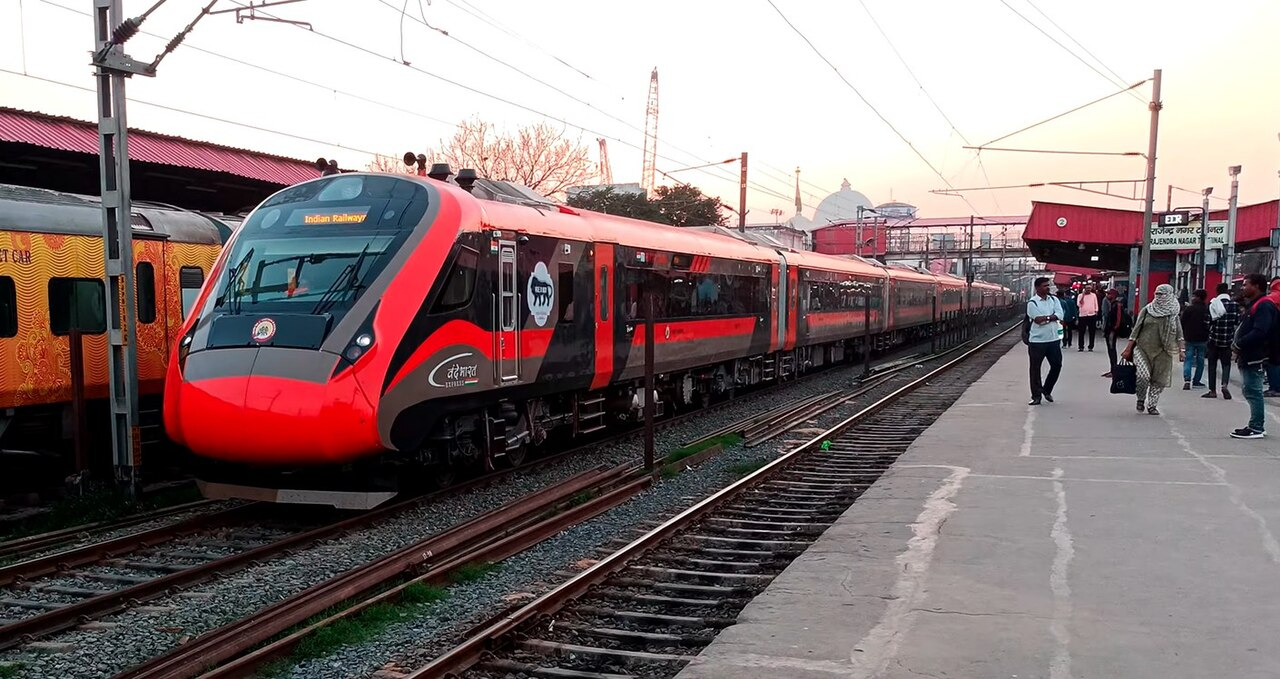
The project envisages full-scale localization.
We must master the production of Vande Bharat at facilities in the country. We have been given a factory, and we are now organizing production there. Simultaneously, design documentation is being developed.
A key requirement is compliance with the Indian legislation Make in India Act: the vast majority of components and assemblies must be produced directly in India. The technological process is being adapted to these norms, which includes the transfer of production facilities and deep integration of local suppliers.
Read also materials on the topic:
Driverless Passenger Trains in Russia Planned to Launch by 2030
Train with the Largest Number of Passenger Seats: "Aurora" to Enter the Russian Book of Records
Never miss our newsAdd this site to your preferred sources to see us more oftenAdd on Google