Translated with AI from the Russian original.
The VK-650V aircraft engine is a new Russian solution for light helicopters, and it will equip the Mi-34M1, Ansat, and Ka-226. This was reported by the United Engine Corporation (UEC, part of Rostec).
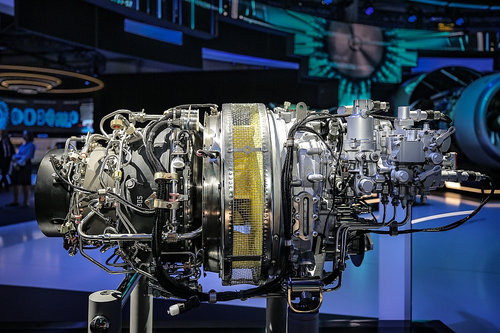
The development of the preliminary design of the new engine started back in 2019, and in 2023, engineering tests were successfully completed.
The VK-650V has already received a type certificate and is preparing for flight tests. The plans for this year include fine-tuning the new engine and the first flights of three helicopters at once: the Mi-34M1, Ansat, and Ka-226 with domestic engines.
The VK-650V engine was created by designers at UEC-Klimov using modern technologies and advanced materials. Calculations of all flow path elements were performed using 3D optimization techniques.
The VK-650V is a completely domestic engine for helicopters with a take-off weight of up to 4 tons. It has a take-off power of 650 hp and a digital dual-channel automatic control system of the FADEC type, UEC noted.
Earlier, www1.ru reported that 400 million rubles were allocated for the modernization of the Tu-214.
Read also:
Funds for the modernization of Tu-214 will be allocated from the Russian-Chinese aircraft project
Almost touching the roofs of houses: Tu-160 missile carrier spotted in the sky over Kazan
Import-substituted parts for the SJ-100 will become cheaper: they used to cost twice as much as for Airbus
Never miss our newsAdd this site to your preferred sources to see us more oftenAdd on Google

















