The "Key Systems and Components" Group of Companies (KSC GC) plans to release prototypes of components for a high-speed train in 2025. This was announced by the company's CEO, Taras Spivak.
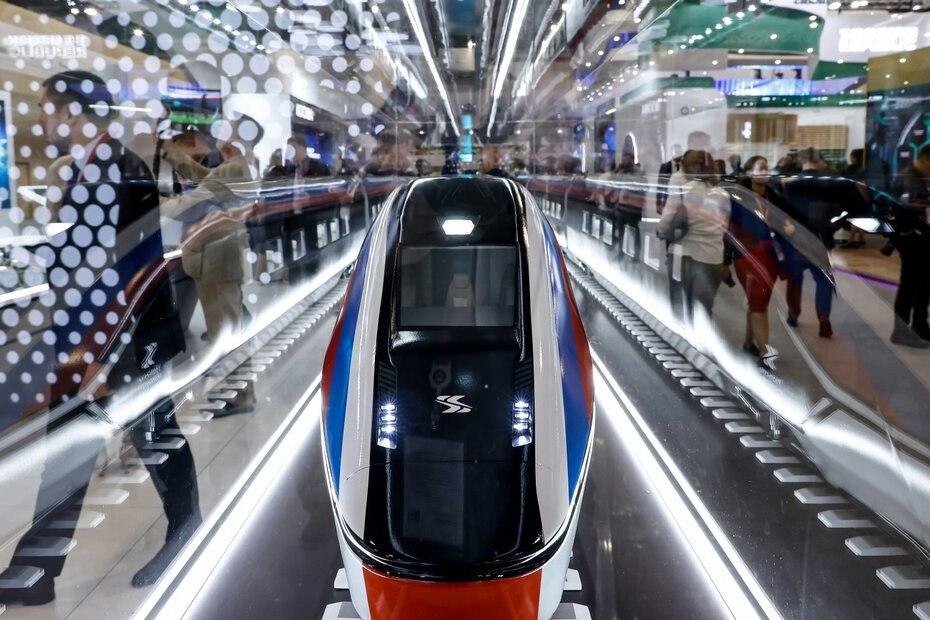
Speaking of the timeline, in 2025, the KSC GC enterprises are completing the design and producing mock-ups and prototypes, and at the end of 2025, they are launching production.
The set for the second train will be shipped in the third quarter of 2026, and serial production will begin at the end of 2026.
KSC GC will produce a wide range of components for the future train. A contract for the serial supply of components has already been signed with "Ural Locomotives".
Among the supplied components will be:
- Internal lighting.
- Microclimate systems for the driver's cab and passenger compartments, as well as duct kits.
- Door and window systems.
- Sanitary modules.
- Luggage racks.
- Floor, ceiling, and wall panel kits.
- Fireproof partitions for the driver's cab.
- Inter-car passages.
Earlier www1.ru reported that testing of the Russian high-speed train has begun.
Read more on the topic:
Su-57, "Baikal" and SJ-100 decorated the Moscow metro train
The MCD-5 project in Moscow has been frozen indefinitely
Never miss our newsAdd this site to your preferred sources to see us more oftenAdd on Google

















