The Russian Ministry of Defense will receive several more UTS-800 training aircraft in 2025. This was announced by an official representative of the Ural Civil Aviation Plant (UZGA, the aircraft's developer and manufacturer).
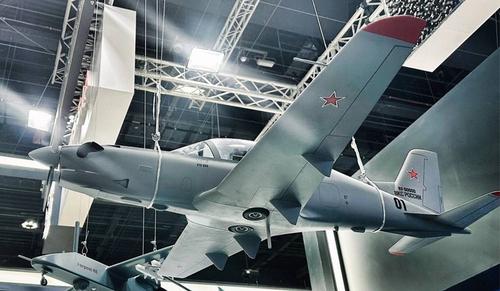
According to him, UZGA was supposed to deliver two aircraft to the customer in 2024, which was done.
In 2025, it is necessary to transfer several more aircraft, but it is too early to talk about this at the beginning of the year. To speed up the tests, more machines are being connected to the process. The first aircraft that are undergoing testing will most likely be used to train instructors.
The turboprop aircraft is equipped with ejection seats, a standard anti-icing and oxygen system, as well as an air conditioning system. The UTS-800 develops a speed of up to 460 km/h, and the flight range is 1200 km at an altitude of up to six km.
Earlier www1.ru reported that the newest nine-module electronic warfare system "Yel-1" with a total interference power of up to 1kW was developed in Russia.
Read also:
Russian craftsmen crossed four AK-74Ms to fight UAVs
Never miss our newsAdd this site to your preferred sources to see us more oftenAdd on Google

















